Incense: Aromatic journeys for body and soul
Discover the captivating world of incense, from its ancient origins to its modern-day applications in magick, meditation, and well-being. Uncover the power of scent to transform your space and uplift your spirit.
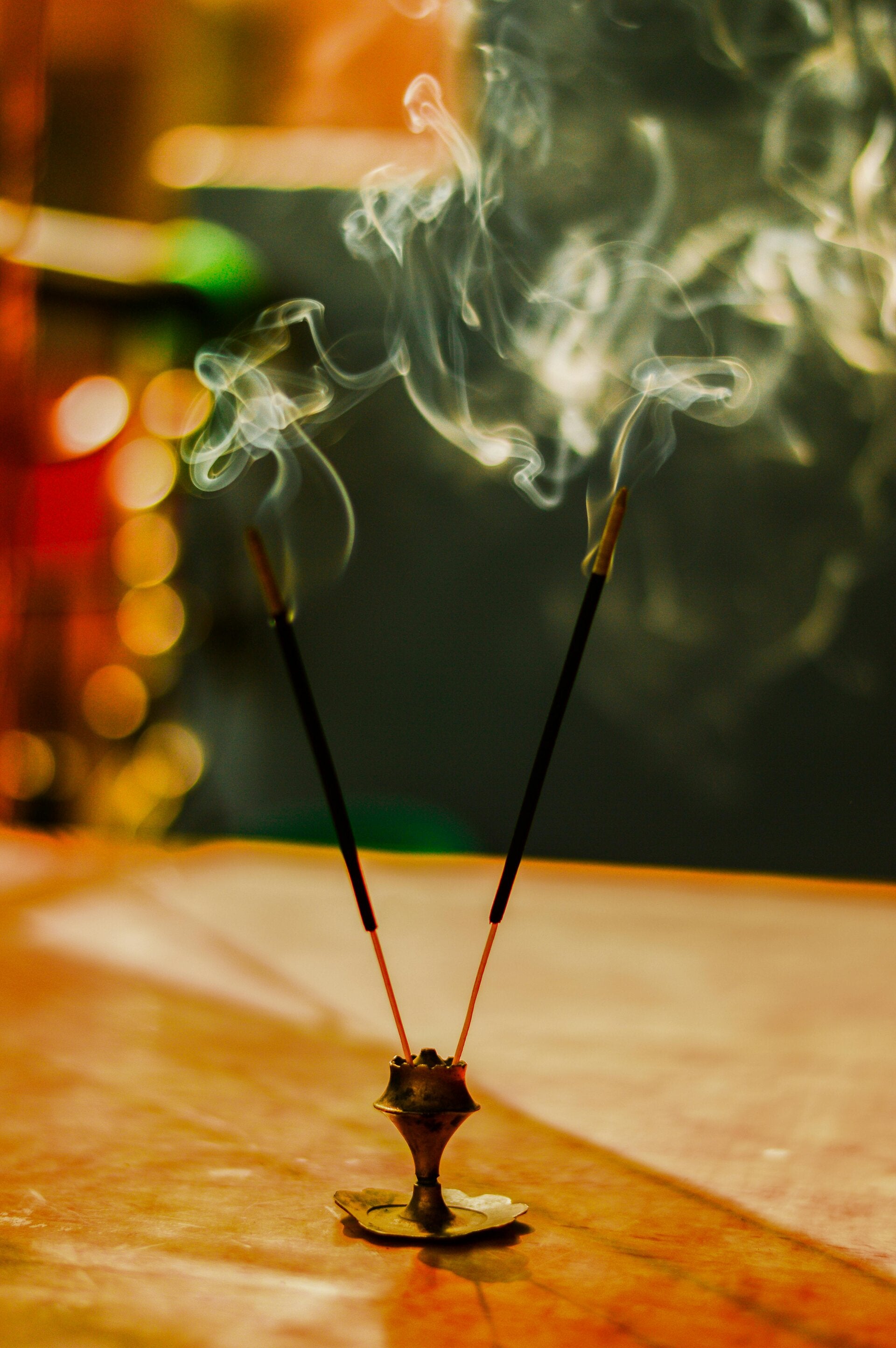
The ancient art of fragrant smoke
For centuries, incense has been an integral part of spiritual ceremonies, healing rituals, and daily practices across diverse cultures. Its fragrant smoke is believed to carry prayers, purify spaces, and invite tranquility. Here at The Altered Goddess, we delve into the rich history and cultural significance of incense, exploring how different cultures have harnessed its power for various purposes. From the sacred temples of Egypt to the meditative practices of ancient Asia, incense has always played a vital role in connecting the earthly with the divine. Learn about the resins, herbs, and woods that form the foundation of these aromatic wonders and their traditional uses.
Benefits and magickal applications
Beyond its pleasing aroma, incense offers a myriad of benefits. It can aid in relaxation, enhance focus during meditation, and cleanse negative energies from a space. In magickal practices, specific incense blends are used for various intentions, from attracting prosperity and love to protection and spiritual awakening. Understanding the properties of different incense ingredients allows you to tailor your practice to your specific needs. Discover how frankincense can promote spiritual growth, sandalwood can calm the mind, and patchouli can draw abundance. We encourage you to experiment and find the perfect scents to support your personal journey and magickal workings.
Choosing and using incense thoughtfully
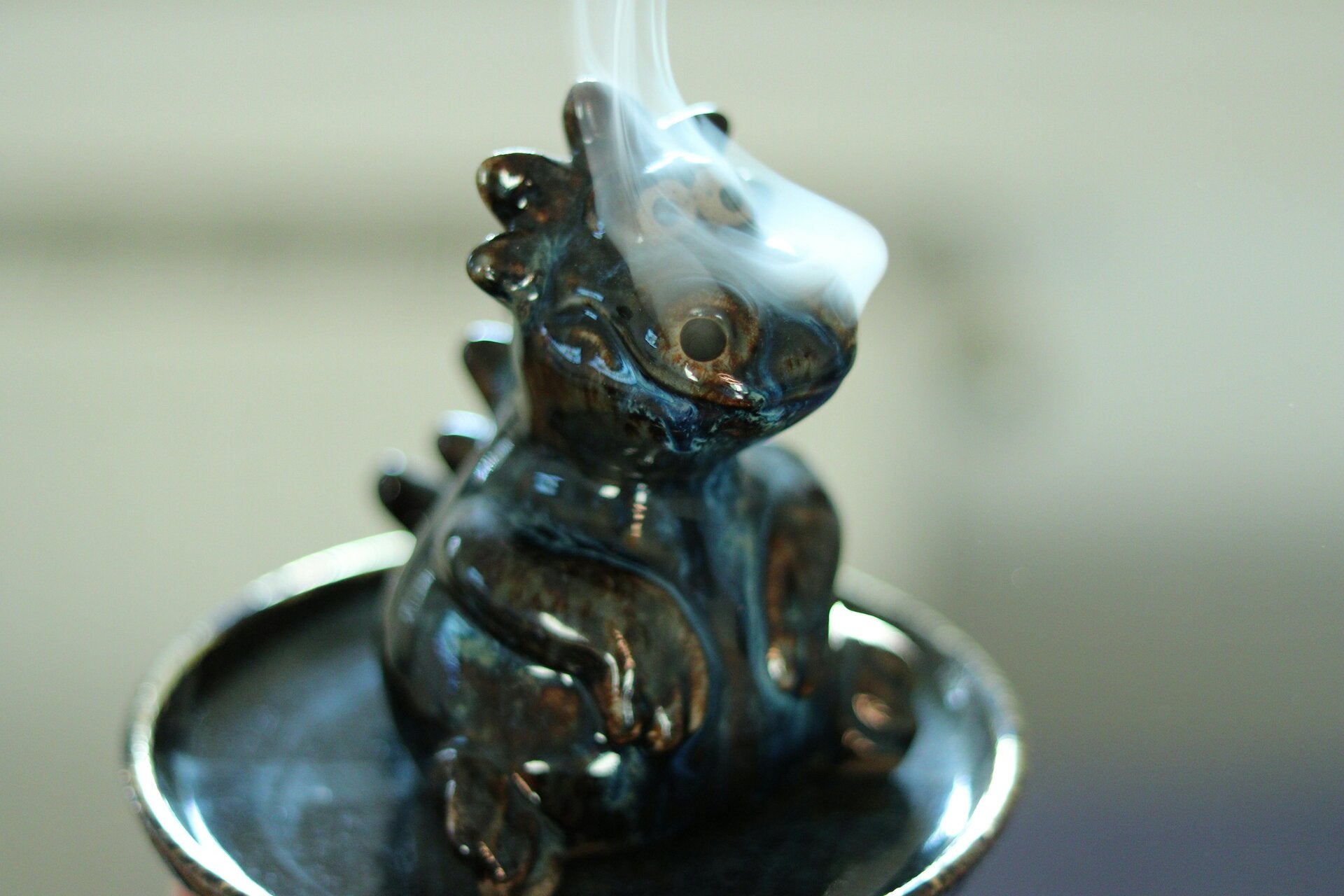
With a wide array of incense types available, from sticks and cones to resins and powders, choosing the right one can be an enjoyable journey. Consider the quality of ingredients, ethical sourcing, and your personal intentions. When using incense, ensure proper ventilation and always place it on a heat-resistant surface. We hope this page inspires you to explore the transformative power of incense. Whether for daily relaxation, spiritual ceremonies, or enhancing your magickal practice, incense can be a powerful tool for connection and manifestation. Feel free to share your experiences and favorite incense blends with our community.
Incense is an aromatic material that produces fragrant smoke when burned, used for spiritual, ceremonial, therapeutic, and aesthetic purposes across cultures and history.
Definition and Composition
Incense refers both to the material and the aroma released when burnedIt is usually made from plant-based materials.
There are two different types.
Direct-burning (combustible) incense: Lit directly on fire and releases smoke as it smolders. Examples include sticks, cones, and powders
Indirect-burning (non-combustible) incense: Requires heat from an external source, such as charcoal or embers, to release its fragrance. Common forms include resins like frankincense and myrrh
Common binders include natural gums like gum arabic or makko powder, which help maintain a steady burn without affecting the scent.
History and Cultural Significance
The use of incense dates back thousands of years and spans many civilizations:
Ancient Egypt and Nubia: Incense was used in temples, for funerary rituals, and to honor deities
India: References to incense appear in the Vedas; it was used in worship, medicinal practices, and Ayurveda
China and Japan: Incorporated in Taoist, Confucian, and Buddhist ceremonies. Japan developed the art of Kōdō, or “Way of Incense,” emphasizing mindfulness and aesthetic appreciation
Middle East and Abrahamic religions: Frankincense and myrrh were important in rituals and mentioned in sacred texts like the Bible
Indigenous Americas: Groups like the Aztecs and Maya burned copal resin for ritual offerings and space cleansing
Uses
Incense serves multiple purposes:
Spiritual and religious: Meditation, prayer, temple rituals, and ceremonies
Aromatherapy and wellness: Promoting relaxation, focus, and emotional well-being with scents like lavender, sandalwood, jasmine, and frankincense
Ritual and cultural celebrations: Wiccan, Pagan, Diwali, Chinese New Year, and other ceremonies
Practical purposes: Room fragrance, deodorization, and natural insect repellents
Popular incense types include sticks, cones, powders, ropes, and cored sticks, each offering different burn times and scent intensity
Specific scents are often chosen based on their symbolic or therapeutic effects:
Sandalwood: Calm and meditation
Frankincense & Myrrh: Purification and spiritual connection
Cinnamon: Passion and energy enhancement
Citrus or Peppermint: Focus and invigoration
Copal or Sage: Cleansing and protection
Purchasing Incense
Incense can be found through various retailers, both online and in stores. Popular sources include:
Amazon: Offering thousands of incense stick and cone options, including Satya, HEM, and Wild Berry brands
Specialty stores: Incense Warehouse, The Dipper, and Looshi provide high-quality, handcrafted, and charcoal-free incense with a focus on traditional methods and mindful living
Using incense safely includes placing it in a heat-resistant holder and never leaving it unattended while burning. Proper ventilation is recommended, particularly for indoor use
Incense offers a unique blend of sensory, cultural, and spiritual experiences, making it a versatile tool for enhancing rituals, meditation, relaxation, and home ambiance
Incense comes in various forms and materials, each offering unique aromas and uses, including stick, cone, resin, coil, rope, and powder incense.
Stick Incense
Stick incense is one of the most common types and consists of aromatic materials coated on or rolled around a bamboo stick. It is easy to burn and widely used for meditation, relaxation, and home fragrance. Stick incense can vary in length, thickness, and scent, and popular aromas include sandalwood, jasmine, and lavender.
Cone Incense
Cone incense is shaped like a small pyramid or cone and emits a stronger, more concentrated aroma than stick incense. It burns from the tip down to the base and is often used in spiritual rituals or for a more intense fragrance effect in a room.
Resin Incense
Resin incense is made from natural tree resins, such as frankincense, myrrh, copal, and benzoin. It is usually burned on a charcoal disc in a heat-proof dish, releasing a rich, complex scent. Resin incense is commonly used in religious ceremonies, meditation, and aromatherapy for its purifying qualities.
Coil Incense
Coil incense is typically made for prolonged burning. The incense is twisted into a spiral shape, allowing it to burn for several hours. Coils are popular in temples and festivals where long-lasting fragrance is desired.
Rope Incense
Rope or braided incense is made by twisting aromatic materials into ropes or braids. This type is traditional in some Asian cultures, such as Japan and China, and is suitable for both ceremonial use and continuous ambient scent.
Powder Incense
Powder incense consists of finely ground aromatic substances that can be sprinkled onto hot charcoal or heated surfaces. It allows customization of fragrance blends and is often used in ritualistic or spiritual practices.
Summary
Different types of incense provide a variety of burning methods, aromatic intensities, and cultural uses. Choosing incense depends on personal preference, purpose (meditation, spiritual rituals, or scenting a space), and the desired duration of fragrance. Stick and cone incense are popular for everyday use, while resin and powder incense are favored for ritual and ceremonial contexts. Coils and ropes are ideal for long-lasting fragrance in public or spiritual settings.
