Gazing into the unknown: The art of catoptromancy
Welcome to The Altered Goddess, where we explore the mystical arts and ancient wisdom. Today, we delve into catoptromancy, an age-old method of divination that uses mirrors or reflective surfaces. Join us as we uncover the secrets held within reflections.
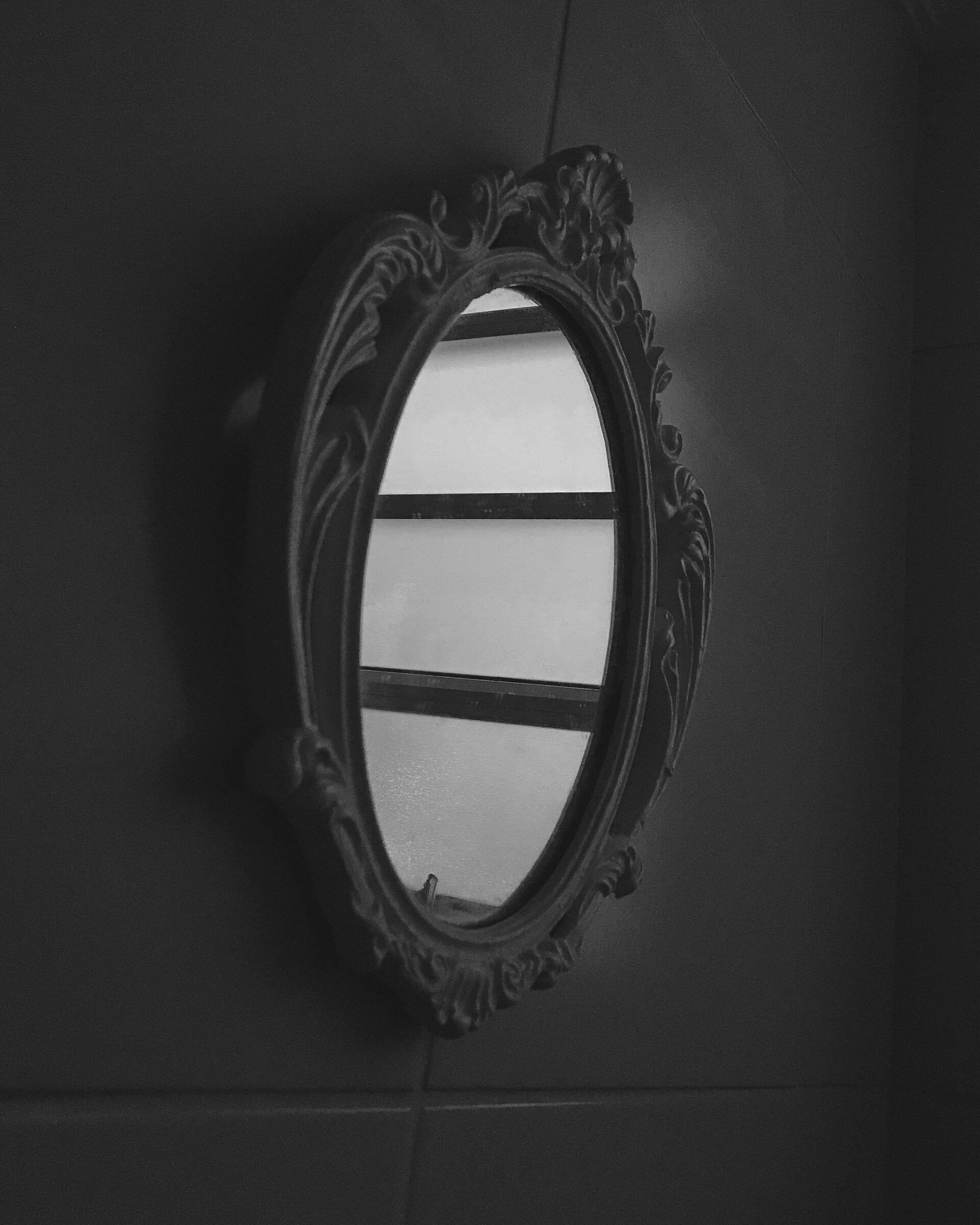
What is catoptromancy?
Catoptromancy, derived from the Greek words "katoptron" (mirror) and "manteia" (divination), is a form of scrying that involves gazing into mirrors or other polished, reflective surfaces to perceive visions, answers, or insights into the future. Historically, this practice has been used across cultures for various purposes, from seeking divine guidance to foretelling events. It’s a fascinating blend of introspection and external observation, inviting practitioners to look beyond the surface of reality.

A journey for curious minds
This page is crafted for anyone with a curious mind, whether you're a beginner exploring the world of divination, an experienced practitioner seeking new perspectives, or simply someone interested in the rich history of esoteric practices. We aim to make catoptromancy accessible and understandable, demystifying its origins and offering a glimpse into its potential without requiring prior knowledge or extensive experience. Everyone is welcome to discover the reflective path.

Reflecting on deeper connections
After reading about catoptromancy, we hope you feel inspired to explore divination with an open mind and a sense of wonder. Our aim is for you to understand that divination, including catoptromancy, is not just about foretelling the future, but also about connecting with intuition and understanding deeper spiritual currents. We want you to feel empowered to consider how ancient practices can offer modern insights, fostering a sense of connection to historical wisdom and personal discovery.
Catoptromancy is an ancient form of divination using mirrors or reflective surfaces to predict the future or gain insights.
Definition and Method
Catoptromancy, also called captromancy or mirror divination, derives from the Greek words katoptron (mirror) and manteia (divination). Practitioners typically gaze into a mirror or other reflective surface under specific conditions—often in dim lighting, candlelight, or during meditative states—to perceive visions, symbols, or images that are interpreted as messages or predictions about the future.The practice can involve:
- Scrying: Staring into the mirror until visions or patterns appear.
- Symbolic reflection: Observing reflections of objects or oneself for omens.
- Ritualistic setups: Sometimes involving candles, water, or special incantations to enhance clarity or focus.
Historical and Cultural Context
Catoptromancy has been used in several cultures throughout history:
- Ancient Greece and Rome: Mirrors were associated with divination and communication with deities.
- Medieval Europe: Often linked to mysticism and occult practices. Courtiers and sorcerers might gaze into polished metal surfaces or mirrors for guidance.
- Folk Traditions: In some cultures, reflective surfaces like water or polished metals could also be used as portable tools for divination.
It is important to distinguish catoptromancy from general superstition or fortune-telling; the practice was historically considered a serious method for seeking insight into personal or spiritual matters.
Modern Perspective
Today, catoptromancy is often explored by enthusiasts of the occult, neopagan traditions, or spiritual practices. While considered a form of divination rather than a scientific method, it remains a culturally and historically significant technique, highlighting humanity’s long-standing interest in mirrors as gateways to insight, self-reflection, or clairvoyance.Key Takeaway: Catoptromancy is a method of seeking knowledge or predicting the future by gazing into mirrors or reflective surfaces, with historical roots in ancient cultures and ongoing use in modern mystical practices.
Mirror scrying involves focusing your attention on a reflective surface to receive visions or insights, with proper preparation, lighting, and mental focus being key to the practice.
Preparation
- Choose a Mirror: A black or dark-colored mirror is often preferred, as it makes reflections easier to focus on. A standard mirror can also be used, but covering it with black paint, velvet, or smoke tint can enhance visibility of images.
- Select a Quiet Space: Find a dimly lit or dark room with minimal distractions to maintain concentration. Candlelight is traditionally used to create a soft, consistent light source.
- Mental Preparation: Enter a relaxed, meditative state. Deep breathing, visualization, or a brief meditation can help calm the mind. Clear your intentions and focus on your question or the type of information you hope to receive.
The Scrying Process
- Position the mirror so that it is tilted slightly (usually 30–45 degrees) toward you in a way that the surface is at eye level. The candle should be placed off to the side, reflecting dim light onto the dark mirror.
- Gaze softly into the mirror without straining your eyes. Keep your vision relaxed, allowing the mind to enter a receptive state. Avoid focusing on physical details; instead, attend to shapes, shadows, or subtle patterns that appear.
- Be patient. Images, symbols, or impressions may appear gradually. Some recommend keeping a journal to record any visions, feelings, symbols, or intuitions that arise during the session.
- Maintain a protective mindset. Many practitioners suggest visualizing a protective barrier or invoking a sense of safe space to prevent psychological discomfort from intense or unexpected visions.
Additional Tips
- Sessions are typically short at first—10–20 minutes—to avoid mental fatigue.
- Consistency helps. Regular practice allows the mind to become attuned to subtle visual impressions.
- Avoid distractions: silence phones, minimize noise, and ensure privacy.
- Respect personal limits: stop if feelings of anxiety, dizziness, or disorientation occur.
Mirror scrying is a meditative and symbolic form of divination, and the images perceived should be interpreted intuitively rather than literally. While some practitioners claim psychic insights, others view scrying as a way to access subconscious thoughts and intuition. By combining focus, ritual, and openness, mirror scrying can be a meaningful tool for personal reflection and insight.