Embracing the sun's radiant energy
Step into the vibrant world of the sun, a celestial body that symbolizes life, vitality, and power. Discover its profound influence on spirituality and magic, and learn how to harness its bright energy in your own practices.
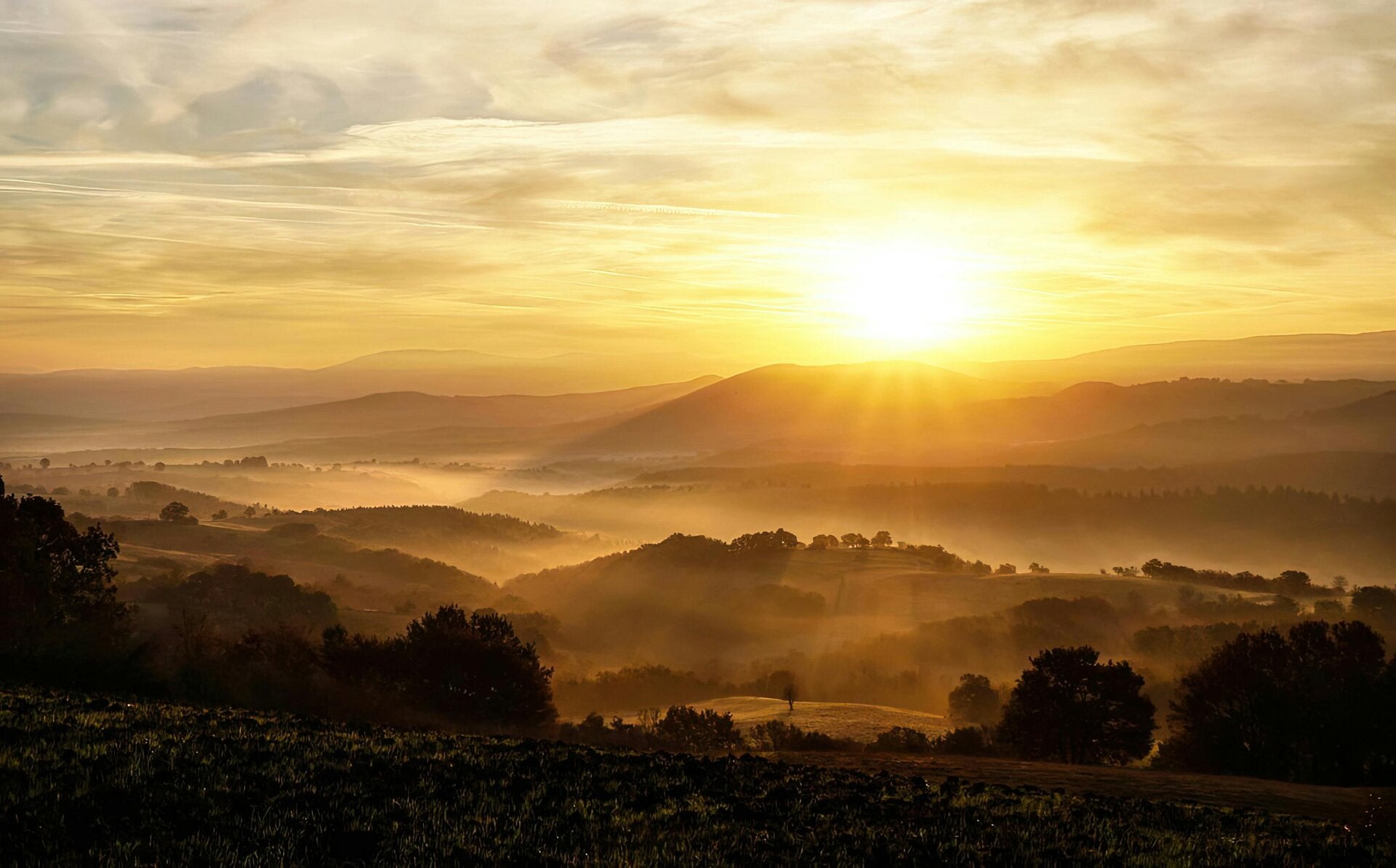
The sun's vital essence
The sun is much more than just a star; it is a source of all life, warmth, and illumination on Earth. Throughout history, cultures have revered the sun as a divine entity, associating it with creation, growth, and consciousness. Its consistent presence in the sky offers a powerful symbol of endurance, clarity, and renewal. Understanding the sun's core essence allows us to tap into its potent energy for personal transformation and spiritual awakening.

Solar deities and their stories
Across ancient civilizations, the sun was personified as powerful gods and goddesses. From Ra in ancient Egypt, Apollo in Greek mythology, to Surya in Hinduism, these solar deities represented various aspects of the sun's power: healing, prophecy, justice, and protection. Exploring their myths and legends provides insight into humanity's enduring connection with the sun and its multifaceted symbolism. These stories remind us of the sun's role in inspiring courage, strength, and unwavering hope.
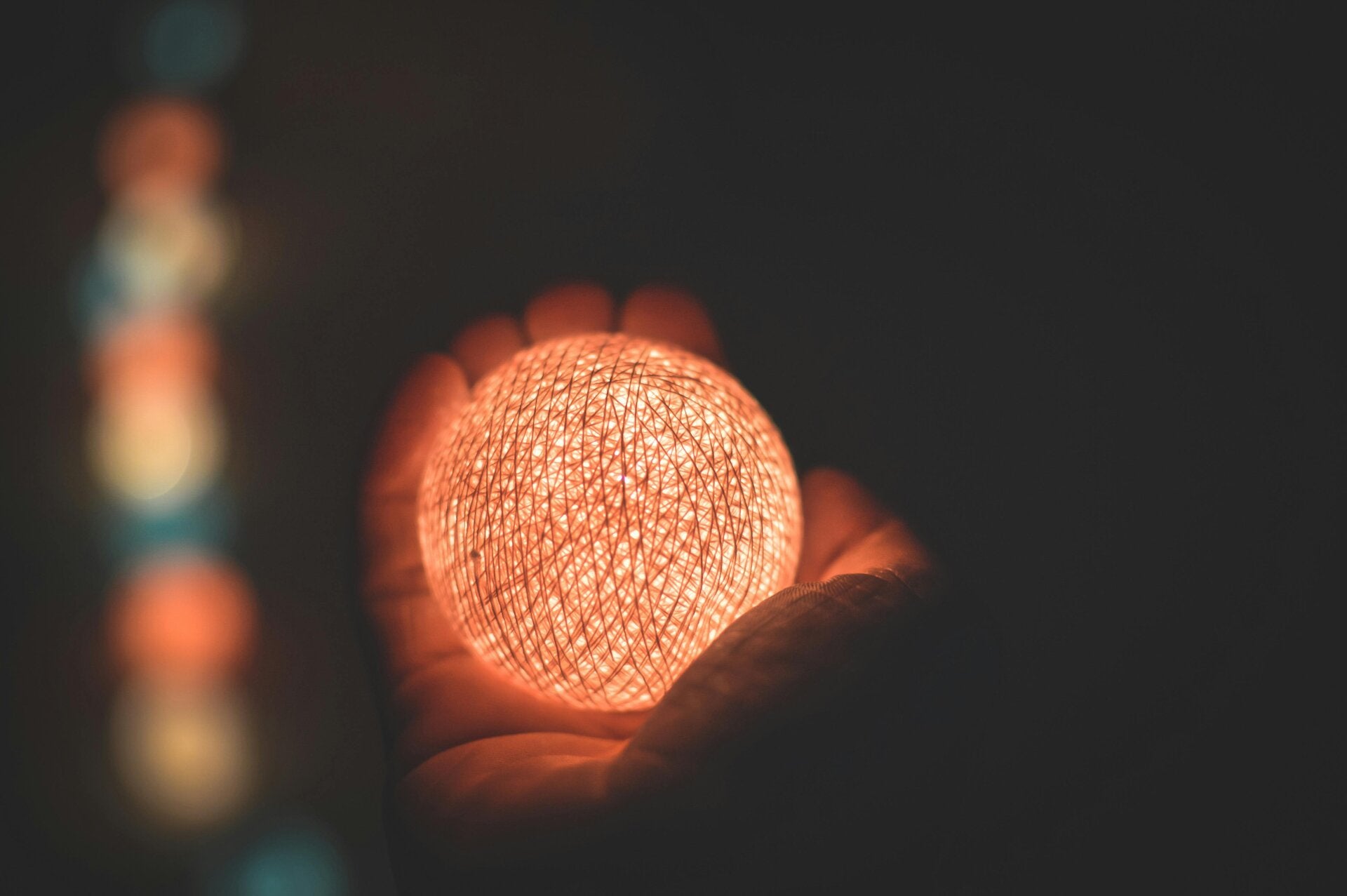
Harnessing solar correspondences
To integrate the sun's energy into your life, consider its correspondences. The color yellow, the element of fire, and crystals like sunstone or citrine are all vibrant representations of solar energy. Days like Sunday and times such as midday are especially potent for working with the sun's influence. By aligning with these correspondences, you can amplify intentions related to confidence, success, vitality, and joy. Learn how to create rituals and meditations that honor and invoke the sun's radiant power.
Embrace the sun's light within you
We hope this exploration of the sun has illuminated your understanding and inspired you to connect with its powerful energy. May you feel uplifted, empowered, and full of radiant vitality, carrying the sun's warmth and light into every aspect of your life.
In pagan traditions, the sun is revered as a powerful deity and symbol of life, light, and transformation, celebrated through festivals, rituals, and mythologies across cultures.
Sun as a Deity
In many pagan systems, the sun is personified as a god or goddess. Ancient Egyptians worshiped Ra, the sun god, as a creator and life-giver, often depicted traveling in his solar barque across the sky
Greek mythology revered Helios driving a chariot to bring daylight, while Norse mythology featured Sol (Sunna), a goddess pursued by the wolf Sköll, lighting the world
Other notable examples include Amaterasu in Japanese Shinto, Inti in Inca traditions, and Surya in Hinduism, highlighting the sun's role as a universal symbol of power and divine authority
Wikipedia
Solar Symbolism in Rituals
The sun embodies vitality, enlightenment, and the cycles of nature. Pagans celebrated its peak energy during the summer solstice, known as Litha in Wiccan tradition and Midsummer in Norse culture. Rituals often include:
Lighting bonfires to honor the sun and purify the community
Performing sun salutations or sunrise ceremonies to connect spiritually.
Creating sun wheels, mandalas, or altar decorations to symbolize solar cycles
Feasting on seasonal foods and engaging in communal gatherings, celebrating abundance and growth
In Norse paganism, midsummer events often included offerings to Sól, Freyr, and community feasts, reflecting the solar connection to fertility, light, and prosperity
Mythology and the Cycle of the Year
Pagans often depicted the cycle of the sun through myths, connecting it to the natural rhythm of life and time. In European neopaganism, the Oak King and Holly King symbolize the waxing and waning power of the sun, transitioning at the summer solstice to reflect the balance of light and dark
Many cultures, such as the Wiccans, celebrated the sun god’s “birth” at the winter solstice, growth until the summer solstice, and subsequent decline, mirroring agricultural and seasonal cycles
Sun Worship Across Cultures
Sun veneration is widespread:
Stonehenge and other monuments aligned with solstice sunrises indicate ritualistic sun observation
Inti Raymi in Peru honors the Incan sun deity.
Northern European Midsummer festivals feature bonfires, maypoles, and songs to honor sunlight
Solar imagery permeates folklore, art, and mythologies from Africa to Asia, underscoring the sun’s association with life, justice, and protection
Pagans celebrated the sun not just as a celestial object but as a living force essential for spiritual, agricultural, and personal renewal. By aligning rituals with the sun, they acknowledged its central role in sustaining life and guiding the cycles of the earth.
Overview
The Sun is a nearly perfect sphere of hot plasma, primarily composed of hydrogen (about 74%) and helium (about 24%), with trace amounts of heavier elements. It is classified as a G-type main-sequence star (G2V) and is approximately 4.6 billion years old. Its gravitational pull governs the orbits of all planets, asteroids, and comets in the solar system.
Structure
The Sun’s structure is layered:
- Core: The central region where nuclear fusion occurs, converting hydrogen into helium and releasing huge amounts of energy in the form of light and heat. This process powers the Sun and produces the neutrinos we detect on Earth.
- Radiative Zone: Surrounding the core, energy is transferred outwards primarily through radiation over thousands of years.
- Convective Zone: Here, energy moves via convection currents, bringing hot plasma to the surface and driving solar phenomena.
- Photosphere: The visible surface of the Sun, approximately 5,500°C, emits the sunlight we see on Earth.
- Chromosphere and Corona: The outer layers of the Sun’s atmosphere, visible during solar eclipses, with the corona reaching temperatures of several million degrees Celsius and extending millions of kilometers into space.
Solar Phenomena
The Sun exhibits dynamic activity including:
- Sunspots: Cooler, darker regions caused by intense magnetic activity.
- Solar Flares: Sudden eruptions of energy that can affect space weather and communications on Earth.
- Coronal Mass Ejections (CMEs): Large expulsions of plasma and magnetic fields that can interact with Earth’s magnetosphere, sometimes causing auroras and geomagnetic storms.
Importance for Earth
The Sun is vital for sustaining life, providing light and heat that regulate climate, drive photosynthesis, and influence weather patterns. Solar energy is harnessed by humans for clean electricity through solar panels