Your sacred space awaits
Step into the sacred and discover the profound beauty of creating your own altar. This is where your personal journey of reverence and connection begins.

What is an altar?
An altar is more than just a surface; it's a dedicated space for intention, reflection, and connection with the divine, however you perceive it. It's a physical representation of your spiritual path, a place to honor your beliefs, ancestors, or personal goals. Explore the myriad ways an altar can serve as a potent focal point for your spiritual practices.
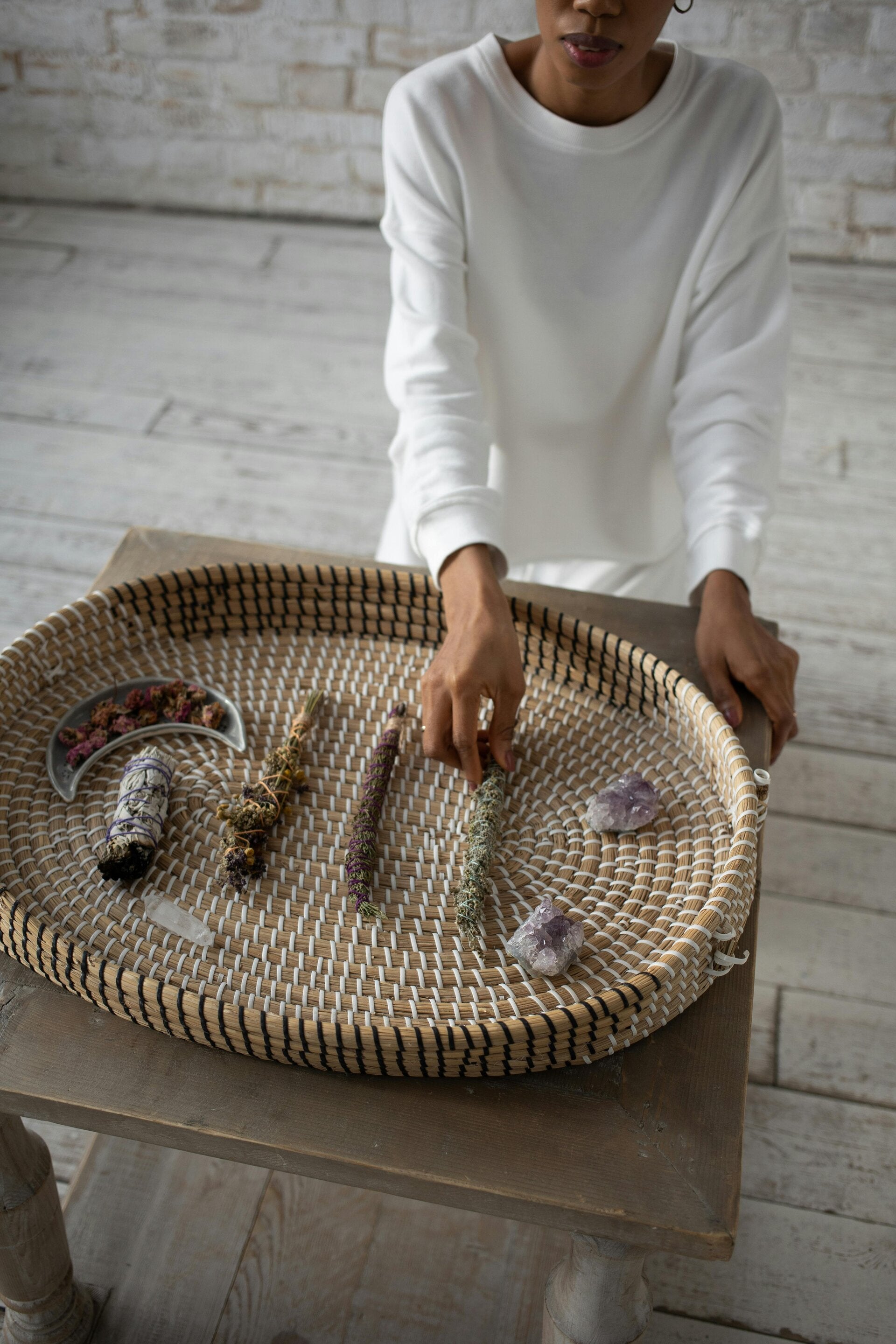
Crafting your personal sanctuary
There are no strict rules for creating an altar, only guidelines for personal resonance. Whether it's a simple shelf, a windowsill, or a dedicated table, your altar should reflect your unique spirit. Learn about selecting meaningful objects, arranging elements, and infusing your space with intention. Let your intuition guide you in building a sanctuary that truly speaks to your soul.

Ritual and reverence
Your altar can be a focal point for daily rituals, meditations, spellwork, or simply moments of quiet contemplation. It's a dynamic space that evolves with you. Discover how to incorporate candles, herbs, crystals, and other correspondences to enhance your practices. Find inspiration to make your altar a vibrant, living part of your spiritual routine.
An altar is a sacred structure or space used in religious and spiritual practices for offerings, worship, or rituals.
Definition and Purpose
An altar is typically an elevated platform, table, or space where individuals make offerings, perform rituals, or conduct acts of devotion to deities, spirits, or ancestors. Altars serve as a focal point for worship, helping practitioners connect spiritually and symbolically represent the divine or sacred.
Religious and Cultural Significance
Altars appear in many religious traditions worldwide:
- Christianity: Churches commonly have a central altar where the Eucharist or Holy Communion is celebrated. It symbolizes the presence of Christ and serves as the focal point for congregational worship.
- Buddhism: Altars often contain statues of the Buddha, incense, candles, and offerings of flowers or food to show respect and cultivate spiritual focus.
- Hinduism: Altars, called “puja mandirs,” are present in homes and temples, holding idols of gods and goddesses along with offerings such as fruits, flowers, and lamps.
- Indigenous and Folk Traditions: Many cultures create altars to honor ancestors or spirits, using personal items, food, or natural objects as offerings.
Components and Design
The design and objects on an altar can vary widely depending on cultural and religious context. Common elements include:
- Candles or lamps for light
- Incense for purification and aroma
- Religious icons or statues
- Offerings such as food, flowers, or water
- Sacred texts or symbols
Symbolism
Altars symbolize a connection between the earthly and the divine, often marking a space of sanctity where spiritual communication is facilitated. They can also act as a visual and physical center for ritual activity, reminding participants of spiritual ideals and practices.Creating and maintaining an altar is often considered an act of devotion, helping individuals or communities focus their intentions, prayers, and energy in a meaningful way
A Pagan personal altar is a sacred space for meditation, ritual, and connection to spiritual energies, customized according to your intentions, deities, or elements.
Purpose of a Personal Altar
A personal altar serves as a focal point for magical work, spiritual reflection, and honoring deities or natural forces. It is both a physical and symbolic embodiment of your spiritual practice. By regularly engaging with your altar, you deepen your connection to the energies you wish to work with.
Choosing a Space
- Location: Select a quiet, undisturbed area in your home where you can consistently access your altar. Bedrooms, living rooms, or a dedicated shelf or table are common.
- Surface: Any stable surface works—desk, shelf, or small table is sufficient. Cover it with a cloth that resonates with your tradition or intention, often chosen for color symbolism.
Common Altar Elements
While Pagan practices vary widely, these are often found on personal altars:
- Candles: Represent the element of fire or divine light; colors correspond to different intentions (green for prosperity, white for purification, red for energy/love).
- Incense or herbs: Symbolize air or purification; common choices include sage, frankincense, or lavender.
- Crystals and stones: Represent elemental energies or amplify intentions. For example, amethyst can aid spiritual work, and quartz can amplify spells.
- Symbolic tools: Athames, wands, pentacles, or chalices may be included depending on your tradition.
- Deity or nature representations: Statues, images, or natural items (seashells, feathers, flowers) can honor deities, spirits, or the natural world.
Personalization and Intention
- Seasonal or ritual changes: Adjust altar items according to Sabbats or Esbats. For example, spring themes can include fresh flowers or green candles, while autumn may feature leaves, seeds, or harvest symbols.
- Intent-focused arrangement: Arrange items according to the energy or purpose of your spell, meditation, or ritual. Some Pagans align four elements (earth, air, fire, water) in the cardinal directions.
- Cleaning and maintenance: Keep the altar tidy, energetically cleansed, and refreshed with offerings, water, or incense. Regular cleansing helps maintain a sacred space.
Using the Altar
- Meditate, perform rituals, or place offerings to focus intention.
- Light candles, burn incense, or hold crystals to raise spiritual energy.
- Use it as a daily reminder of your spiritual path, adding personal touches that make it meaningful and sacred.
By creating a personal altar that reflects your unique style, intentions, and spiritual practice, you strengthen your connection to Pagan traditions, deities, and natural forces, making it a central tool for your magical and spiritual work.
