The fragrant path of incense
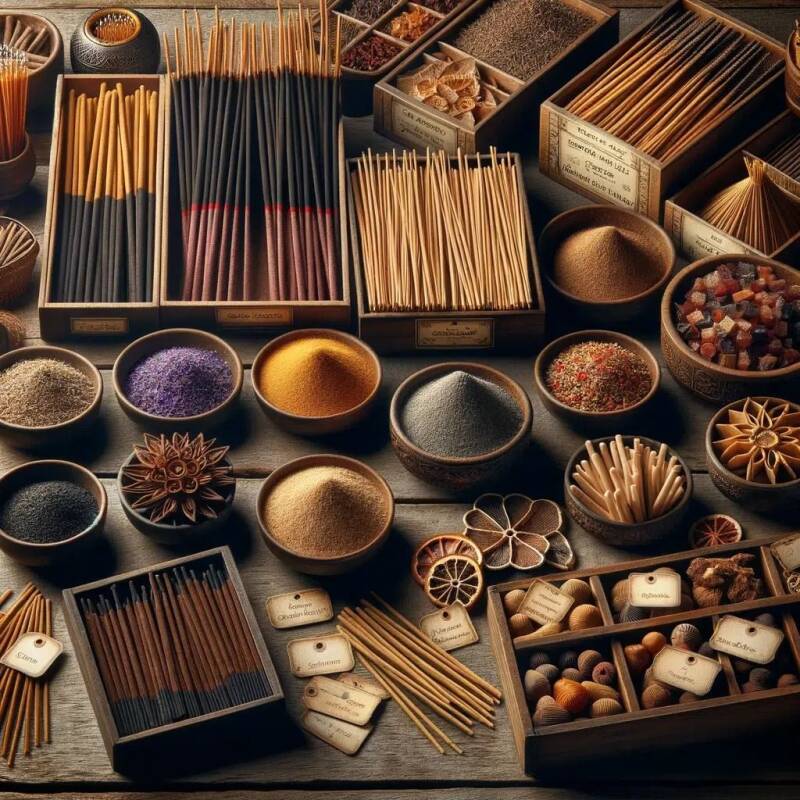
Journey with us into the aromatic world of incense. Discover its ancient roots, its profound spiritual connections, and how its smoky tendrils can elevate your personal practice and space. This is more than just a scent; it's an experience.

My personal journey with incense
Incense has been a constant companion on my spiritual path, a silent witness to countless moments of reflection, meditation, and ritual. For me, it's more than just a pleasant smell; it's a bridge to the sacred, a tool that helps set the atmosphere and focus my intentions. The rising smoke feels like a visible prayer, carrying my thoughts and desires upwards. Each stick or cone holds a unique memory, a particular energy, and a distinct purpose, making it an integral part of my practice and daily life.
The spiritual significance of smoke
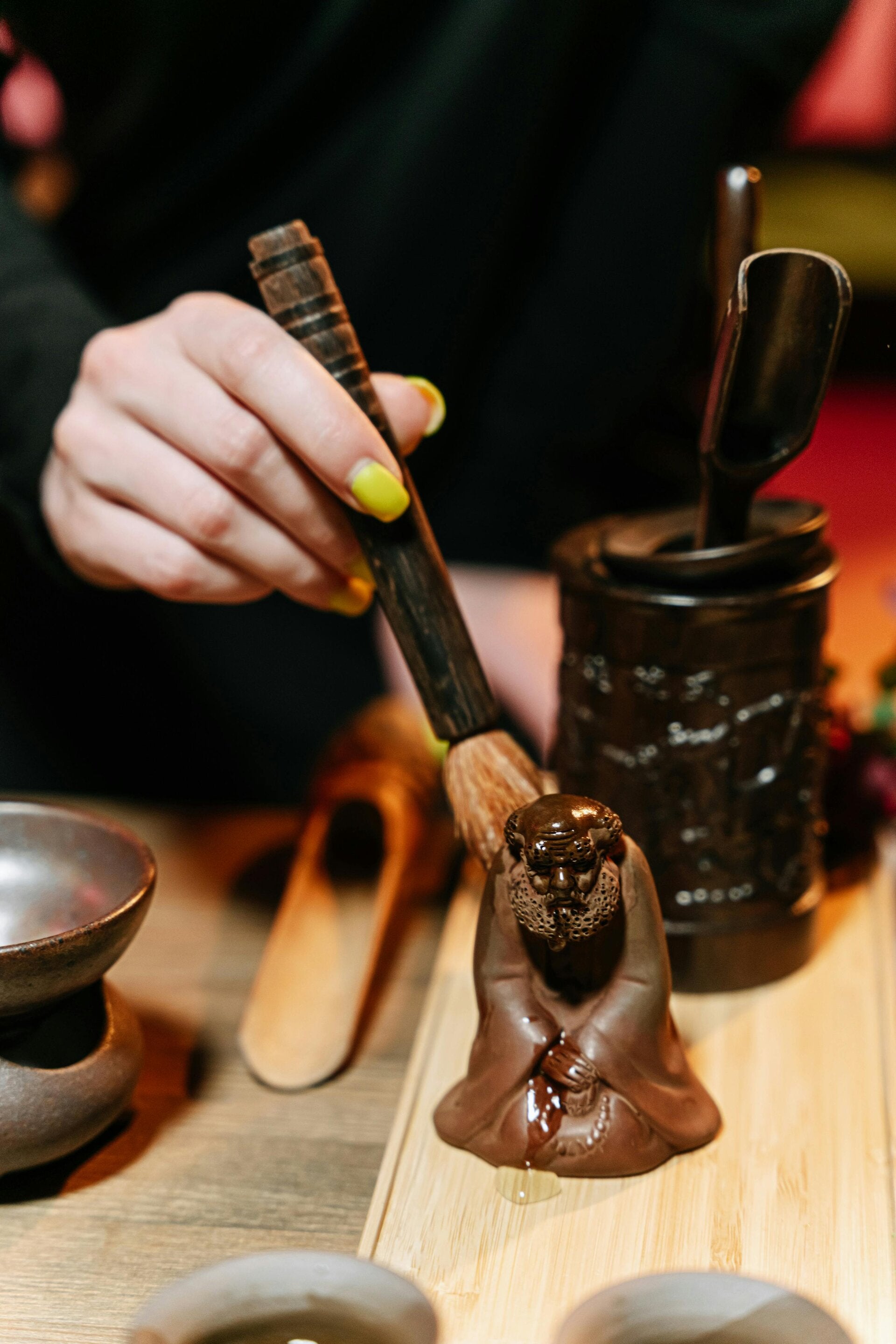
What makes incense so special and important to my spiritual journey is its ability to instantly transform an ordinary space into a sacred one. The act of lighting it is a conscious moment of intention-setting, signaling to myself and the universe that sacred work is about to begin. The scent itself can evoke powerful memories and states of mind, aiding in meditation, purification, and connection to the divine. It helps clear the mind, deepen focus, and provides a multi-sensory anchor for spiritual exploration, grounding me in the present moment while simultaneously expanding my awareness.
Tips for mindful incense use
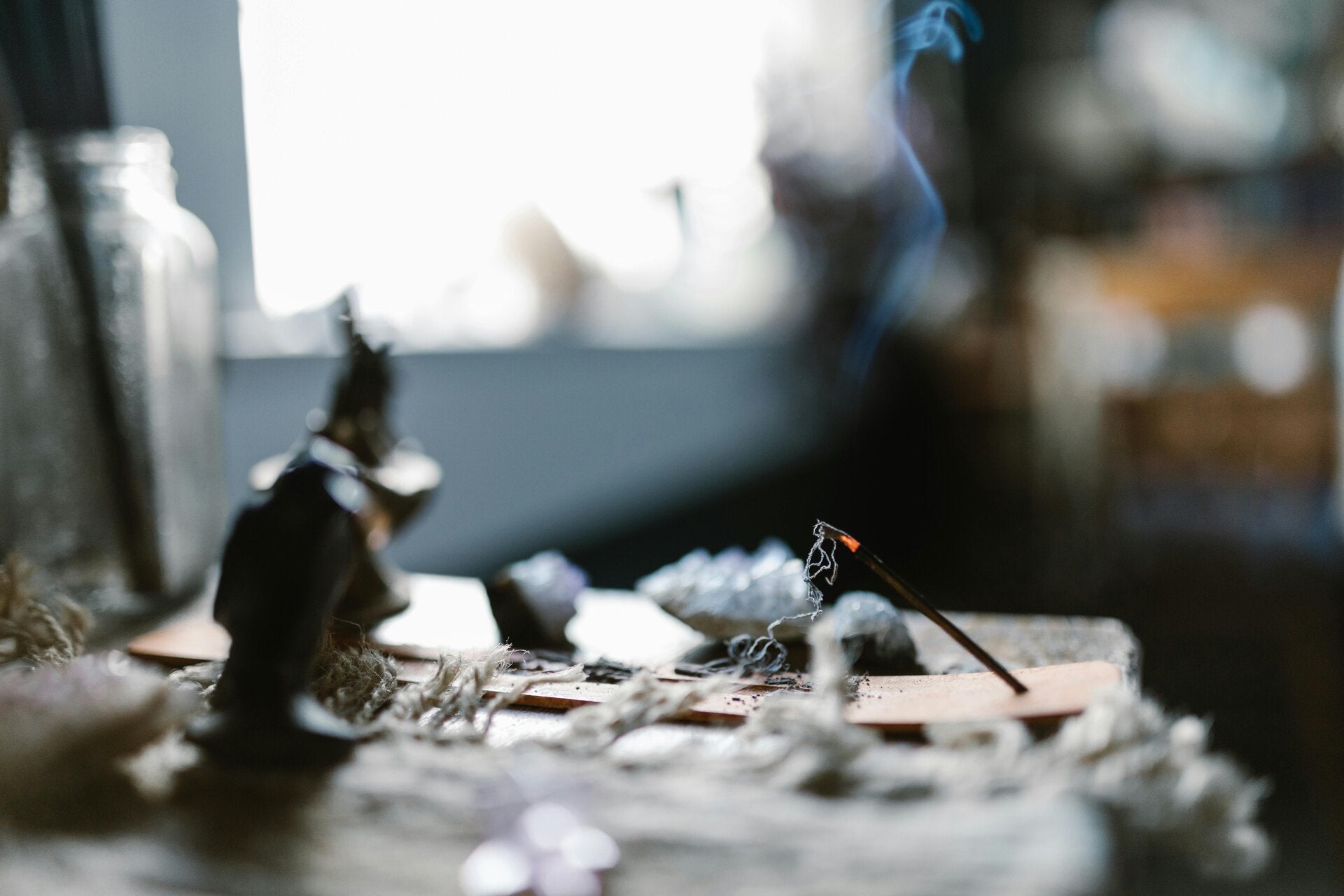
For those looking to incorporate incense into their practice, my primary advice is to listen to your intuition. Start by exploring different scents and forms (sticks, cones, resins) to see what resonates with you. I often use frankincense for purification and meditation, sandalwood for grounding and peace, and jasmine for attraction and love spells. Always ensure good ventilation and never leave burning incense unattended. A favorite way I use it is during my morning ritual: I light a stick while journaling or meditating, allowing the scent to guide my focus and set a calm tone for the day. For spellwork, I choose scents that align with my intention, allowing the smoke to carry my desires into the ether.
Embrace the magic of aroma
After reading this page, I hope you feel a deeper understanding and appreciation for the ancient art of incense. My wish is that you feel inspired to explore its magic for yourself, to recognize it not just as a tool, but as a sacred companion on your own spiritual journey. May you find peace, clarity, and connection in its fragrant embrace.
You can make incense at home using natural powders, resins, and essential oils shaped into sticks or cones, but it is important to work in a ventilated space and follow safety precautions.
Ingredients and Materials
- Base powder: Common choices include makko powder, wood powders (sandalwood, cedar), or charcoal powder. These act as a binder and help the incense burn evenly.
- Aromatic ingredients: Herbs, spices, or powdered resins like frankincense, myrrh, cinnamon, lavender, or cloves provide fragrance.
- Liquid binder: Water, or a mixture of water and natural gums (like tragacanth or gum arabic), helps bind the powders into a dough-like consistency.
- Essential oils (optional): For enhanced fragrance, a few drops of essential oils can be added after mixing the powders.
- Non-stick surface/tools: A mixing bowl, spatula, silicone mat, or wax paper for shaping the incense.
- Incense sticks or cones: For sticks, use bamboo cores. For cones, no core is necessary.
Basic Method
- Mix powders: Combine the base powder with aromatic powders in a ratio of roughly 2:1 (base:aromatic). Adjust according to fragrance strength desired.
- Add binder: Gradually add water or gum solution until the mixture has a thick, pliable paste consistency. It should hold together but not be too wet.
- Shape incense:
- For sticks, roll the paste around a thin bamboo stick until evenly coated and smooth.
- For cones, shape small amounts of paste into cone shapes using fingers. Ensure the tip is pointed for even burning.
- Dry the incense: Allow the shaped incense to air-dry completely in a well-ventilated area. This can take several days, depending on humidity. Avoid direct sunlight, which can crack the incense.
- Optional: Add essential oils: If desired, lightly brush or dip the dried incense in diluted essential oils for extra fragrance, then allow to dry again.
Safety Tips
- Work in a well-ventilated area to avoid inhaling fine powders.
- Avoid highly flammable materials near a heat source during drying.
- Do not ingest the materials and keep them out of reach of children and pets.
- Ensure sticks or cones burn on a heatproof ash catcher or incense holder.
By experimenting with different herbal powders, resins, and essential oil combinations, you can create personalized incense scents for meditation, relaxation, or ceremonial use.