Unlock your inner voice through automatic writing
Step into the world of automatic writing, a powerful tool for self-discovery, spiritual connection, and unleashing your creative flow. This page will guide you through understanding, practicing, and benefiting from this unique form of expression.

What is automatic writing?
Automatic writing is the process of writing without conscious thought. It's about letting your hand move freely across the page, allowing words, ideas, or even images to flow from your subconscious mind or a higher source. It's often used as a meditative practice, a way to access intuition, and a method for creative breakthroughs.

Who benefits from automatic writing?
Automatic writing appeals to those seeking deeper self-understanding, spiritual guidance, or a fresh perspective on creative projects. It's especially helpful for writers facing blocks, individuals exploring their intuition, or anyone looking to connect with their inner wisdom without overthinking. If you're curious about unlocking hidden insights, this practice is for you.
Tips for your automatic writing journey
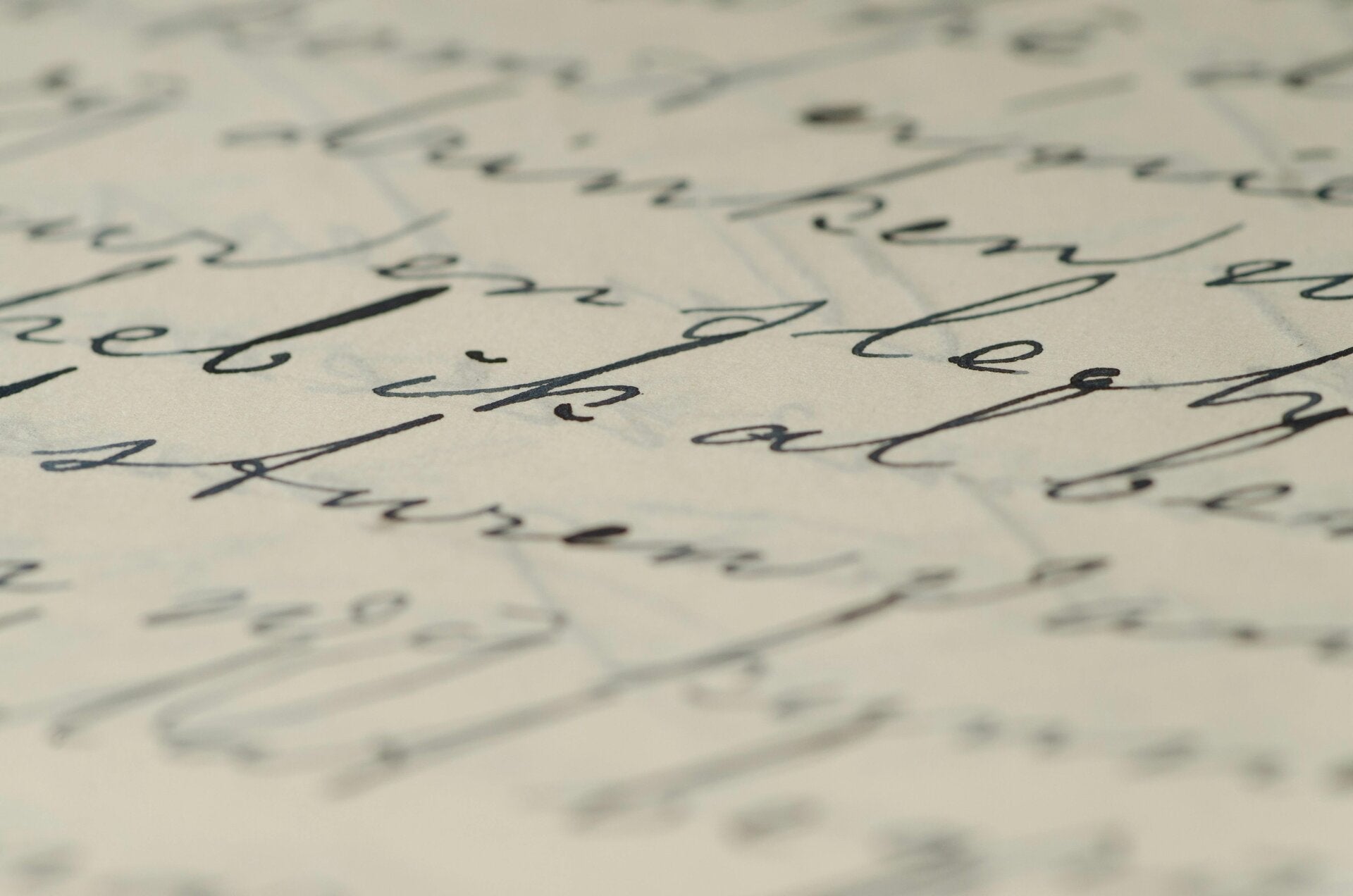
To begin, find a quiet space and clear your mind. Hold your pen to paper and simply let it move. Don't worry about grammar, spelling, or making sense; the goal is to allow unfiltered expression. You might be surprised by the insights and creativity that emerge. Practice regularly, even for just a few minutes, to develop your flow and strengthen your connection to your intuitive self.
Automatic writing is a technique where a person writes without conscious control, often used to access the subconscious mind or receive spiritual messages.
What is Automatic Writing?
Automatic writing involves producing written content without intentionally guiding the words, allowing thoughts, ideas, or messages to flow freely onto paper. Practitioners often experience it as if the writing originates from a subconscious part of themselves or from an external spiritual source. The process typically involves entering a relaxed or meditative state to bypass conscious control over the pen or keyboard.
Historical and Spiritual Context
Automatic writing has historical roots in the 19th and 20th centuries Spiritualist movement, where it was often used to communicate with spirits or deceased individuals. Prominent figures in spiritualism and psychic research reported receiving messages believed to come from the spirit world through this method. In surrealist art and literature, automatic writing was practiced as a way to tap into the unconscious mind, influencing poets and artists seeking unfiltered creative expression.
Psychological Perspective
From a psychological standpoint, automatic writing is seen as a form of accessing the subconscious mind. It can reveal hidden thoughts, emotions, or creative insights and has been used as a therapeutic tool to explore inner conflicts, desires, or unresolved issues. Modern psychology often links automatic writing to techniques like free writing or stream-of-consciousness writing, which encourage self-expression without conscious censorship.
How it is Practiced
- Preparation: Find a quiet, comfortable space and a pen and paper, or a computer. Relax and focus on clearing the mind.
- Entering a receptive state: Some practitioners use meditation, deep breathing, or visualization to become more open to the subconscious or spiritual input.
- Writing without judgment: Begin writing continuously, allowing thoughts to flow without editing or considering grammar or meaning. The goal is to let words appear spontaneously.
- Reflection: After writing, review the material for insights, patterns, or creative inspiration. Many practitioners separate the process of writing from interpretation to avoid influencing the initial spontaneity.
Applications
- Spiritual communication: Attempting to channel messages from spirits or higher consciousness.
- Creativity: Generating poetry, stories, or ideas by bypassing conscious censorship.
- Self-exploration: Accessing subconscious thoughts and emotions for personal insight or therapeutic purposes.
Considerations
While many find automatic writing enlightening or creatively stimulating, it is largely subjective and should not be taken as definitive evidence of spiritual presence. It is important to approach the practice with an open yet critical mindset, understanding that much of the output may originate from the subconscious mind of the writer. Safety-conscious individuals often practice it in a grounded, mindful manner to avoid distress from unexpected content.Automatic writing remains a unique intersection of psychology, creativity, and spirituality, offering a tangible way to explore the inner mind and artistic expression.