Pagan funeral rites celebrate the cycle of life and death, honoring nature, the deceased’s spirit, and the connection between the earthly and spiritual realms.
Overview of Pagan Beliefs About Death
Pagans generally view death as a transition rather than an end, embracing the life-death-rebirth cycle and often believing in reincarnation or the afterlife realm known as the Summerland, where the soul rests before moving on to another life
Ancestor spirits may also be honored and regarded as guides for the living
Honor You Memorial Products
. These beliefs shape the funeral rituals and the way mourners are encouraged to process grief, focusing on celebrating the deceased’s life, acknowledging nature, and maintaining a spiritual connection
Funeral Ceremonies and Settings
Pagan funerals tend to be personalized and non-dogmatic
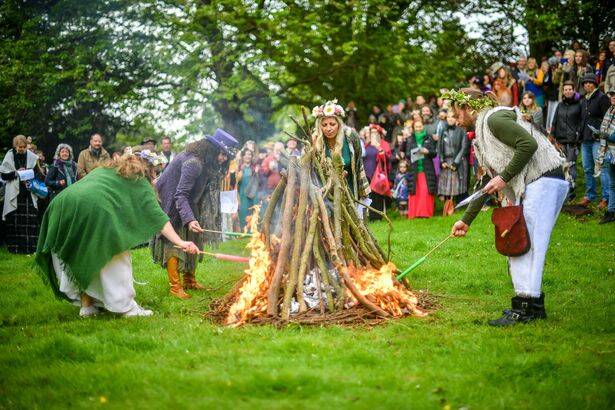
. They may occur in natural outdoor settings, such as forests, gardens, or near water, reflecting the central role of nature in Pagan spirituality
. Traditional indoor services at homes, halls, or crematoriums may also be held, often decorated with potted plants, live trees, or objects representing the four elements: Earth (North), Air (East), Fire (South), and Water (West)
. Induction of sacred space, such as casting a sacred circle, is sometimes done to provide spiritual protection during the service
Ritual Elements
Common features of Pagan funeral rites include:
Invocation of the four elements to honor balance and the cycle of life
Readings and prayers, often from Pagan, Wiccan, or culturally significant texts, along with personal anecdotes and eulogies
Use of candles, incense, herbs, and symbolic objects meaningful to the deceased, such as crystals, pentagrams, or flowers representing remembrance and spiritual guidance
Soul release ceremonies to guide the spirit and provide closure for mourners
Music and drumming, which may be traditional, modern, or culture-specific, to honor the deceased and celebrate life
Burial and Cremation Practices
Pagans often favor eco-friendly, natural burials, with biodegradable coffins or shrouds, permitting the body to return to the earth without chemical embalming
Funeral Guide
Cremation is also common, with ashes scattered in meaningful natural locations, upholding the belief in returning to nature
In some traditions, historical or symbolic practices like placing amulets, seeds, or objects with the deceased may be observed
Role of Celebrant
Funerals may be led by a High Priestess, High Priest, shaman, or Pagan celebrant, who ensures rituals are performed properly and supports the mourners emotionally and spiritually
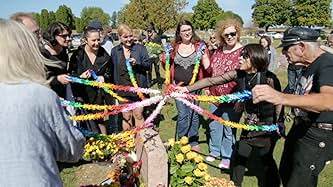
Family and friends often actively participate, offering blessings, chants, or symbolic offerings. In some cases, hybrid ceremonies combine Pagan rites with other religious customs to accommodate interfaith families
Cultural Practices and Symbols
Representation of zodiac signs or personal symbols of the deceased may feature in decorations
Traditional associations with deities like Hecate, Anubis, Odin, or ancestral guides can be invoked depending on personal or family beliefs
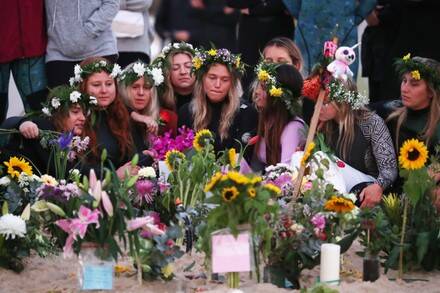
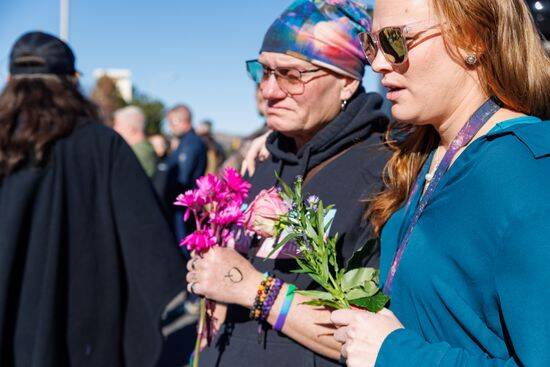
Use of flowers and herbs serves symbolic purposes: rosemary for remembrance, lavender for peace, and hydrangeas to ward off negativity
In summary, Pagan funeral rites are deeply individual and nature-centered, emphasizing spiritual transition, remembrance, and ecological respect. Ceremonies honor the deceased’s life through personalized rituals, the invocation of elements, natural burial practices, and symbolic offerings, reflecting the spiritual beliefs of the community and the individual