Mabon/ Autumn Equinox
Fall/Autumn Equinox
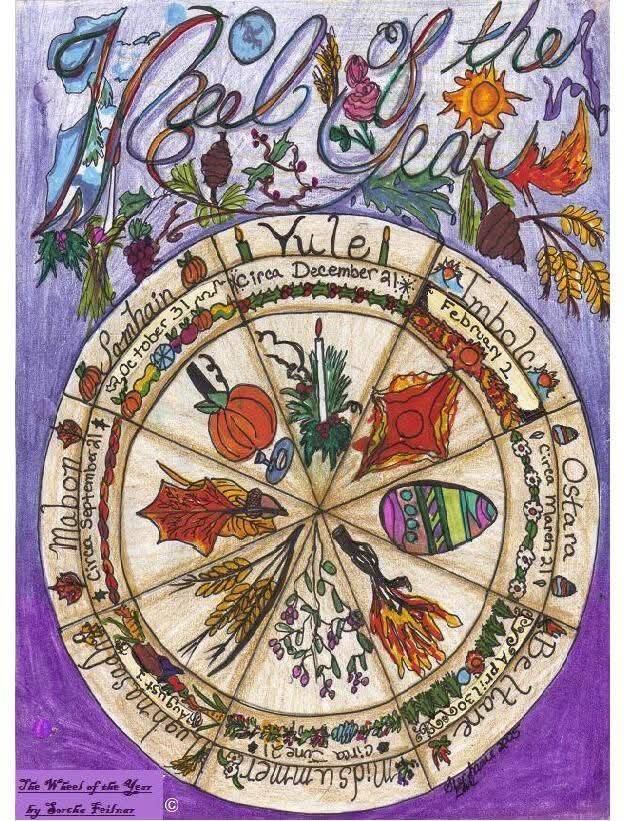
Mabon is a pagan holiday, and one of the eight Wiccan sabbats celebrated during the year. Mabon celebrates the autumnal equinox. In the northern hemisphere, this September 23rd will be the autumnal equinox. However, the southern hemisphere already celebrated Mabon on March 20, when the Northern hemisphere celebrated Ostara. It also celebrates the mid-harvest festival (also known as the second harvest).
Mabon Correspondences
MAY-bon, MAY-bun, MAY-bone, MAH-boon or MAH-bawn, – Lesser Sabbat
Fall/Autumn Equinox, September 21-23
Michaelmas (September 25th, Christian), Second Harvest Festival, Witches’ Thanksgiving, Harvest Home (Anglo-Celtic), Feast of Avalon, Wine Harvest, Festival of Dionysus, Cornucopia, Equinozio di Autunno (Strega), Chung Chiu (China), Night of the Hunter, Alban Elfed “The Light of the Water”(Caledonii/ Druidic-celebrates Lord of the Mysteries), Winter Finding (Teutonic, from Equinox ’til Winter Night or Nordic New Year, Oct 15th.)
Mabon is considered a time of the Mysteries. It is a time to honor Aging Deities and the Spirit World. Considered a time of balance, it is when we stop and relax and enjoy the fruits of our personal harvests, whether they be from toiling in our gardens, working at our jobs, raising our families, or just coping with the hussle-bussle of everyday life. May your Mabon be memorable, and your hearts and spirits be filled to overflowing!
Purpose: Second harvest festival, new wine pressing/making preparation for winter and Samhain, rest after labor, Pagan day of Thanksgiving, honoring the spirit world, celebration of wine.
Dynamics/Meaning: death of the God, assumption of the Crone, balance of light and dark; increase of darkness, grape harvest, completion of the harvest.
Essence: Beauty, joy; fullness of life, harvest of the year’s desires, strength; laughter; power; prosperity, equality, balance, appreciation, harvest, protection, wealth, security, self-confidence, reincarnation.
Symbolism of Mabon: Second Harvest, the Mysteries, Equality and Balance.
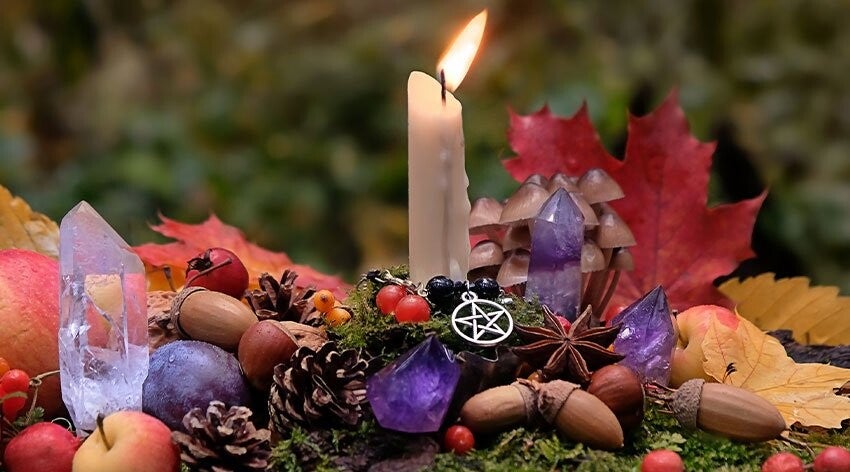
Symbols of Mabon: wine, gourds, pine cones, acorns, grains, corn, apples, pomegranates, vines such as ivy, dried seeds, and horns of plenty.
Tools, Symbols & Decorations: Indian corn, red fruits, autumn flowers, red poppies, hazelnuts, garlands, grains especially wheat stalks, and colorful, fallen leaves, acorns, pine & cypress cones, oak sprigs, pomegranate, statue/or figure to represent the Mother Goddess, mabon wreath, vine, grapes, gourd, cornucopia/horns of plenty, burial cairns, apples, marigolds, harvested crops, burial cairns, rattles, the Mysteries, sun wheel, all harvest symbols.
Herbs & Plants: Acorn, aster, benzoin, cedar, ferns, grains, hazel, honeysuckle, hops, ivy, marigold, milkweed, mums, myrrh, oak leaf, passionflower, pine, rose, sage, solomon’s seal, tobacco, thistle, and vegetables.
Foods of Mabon: Breads, nuts, apples, pomegranates, cornbread, wheat products, grains, berries, grapes, acorns, seeds, dried fruits, corn, beans, squash, roots (ie onions, carrots, potatoes, etc), hops, sasssafras, roast goose or mutton, wine, ale, & cider.
Incense & Oils of Mabon: Pine, sweetgrass, apple blossom, benzoin, myrrh, frankincense, jasmine, sage wood aloes, black pepper, patchouly, cinnamon, clove, oak moss, & sage.
Colors/Candles of Mabon: Red, orange, russet, maroon, brown, gold, deep gold, green, orange, scarlet, all autumn colors, purple, blue, violet, & indigo.
Stones of Mabon: Sapphire, lapis lazuli, yellow agates, carnelian, yellow topaz, & amethyst.
Customs: Offerings to land, preparing for cold weather, bringing in harvest, cutting willow wands (Druidic), eating seasonal fruit, leaving apples upon burial cairns & graves as a token of honor, walk wild places & forests, gather seed pods & dried plants, fermenting grapes to make wine,picking ripe produce, stalk bundling; fishing,. on the closest full moon (Harvest Moon) harvesting corps by moonlight.
Activities of Mabon: Making wine, gathering dried herbs, plants, seeds and seed pods, walking in the woods, scattering offerings in harvested fields, offering libations to trees, adorning burial sites with leaves, acorns, and pine cones to honor those who have passed over.
Spellworkings and Rituals of Mabon: Protection, security, and self-confidence. Also those of harmony and balance. Celtic Festival of the Vine, prosperity rituals, introspection, rituals which enact the elderly aspects of both Goddess & God, past life recall.
Animals/Mythical beings: Dogs, wolves, stag, blackbird, owl, eagle, birds of prey, salmon & goat, Gnomes, Sphinx, Minotaur, Cyclops, Andamans and Gulons.
Goddesses: Modron (Welsh), Bona Dea, Land Mother, Aging & Harvest Dieties: the Triple Goddess-Mother aspect, Persephone, Demeter/Ceres, Morgan (Welsh- Cornish), Snake Woman (aboriginal), Epona (Celtic-Gaulish), Pamona (roman), the Muses (greek)
Gods: Mabon ap Modron (Welsh), Sky Father, The Green Man, Wine Gods, Aging Gods, John Barley Corn , the Wicker-Man, the Corn Man, Thoth (Egyptian), Hermes, Hotei (Japanese), Thor, Dionysus (Roman), Bacchus (Greek) & all wine Deities
Element: Water ‘
Threshold: Evening
Resources:
Cunningham’s Encyclopedia of Magical Herbs by Scott Cunningham
Circle Round: Raising Children in Goddess Tradition by Starhawk
My personal Book of Shadows