Understanding Voodoo: a journey into sacred traditions
Step beyond the myths and discover the rich spiritual heritage of Voodoo. This page explores the true nature of this often-misunderstood practice, revealing its profound cultural significance and its deep connection to ancestral wisdom and community.

The true essence of Voodoo
Voodoo is a complex and vibrant spiritual tradition, not the caricature often depicted in popular culture. It is a belief system deeply rooted in ancestral veneration, the honoring of spirits, and a profound connection to nature. Originating from West African traditions, Voodoo journeyed across the Atlantic, evolving and adapting in new lands, particularly in Haiti and the American South.

Dispelling common misconceptions
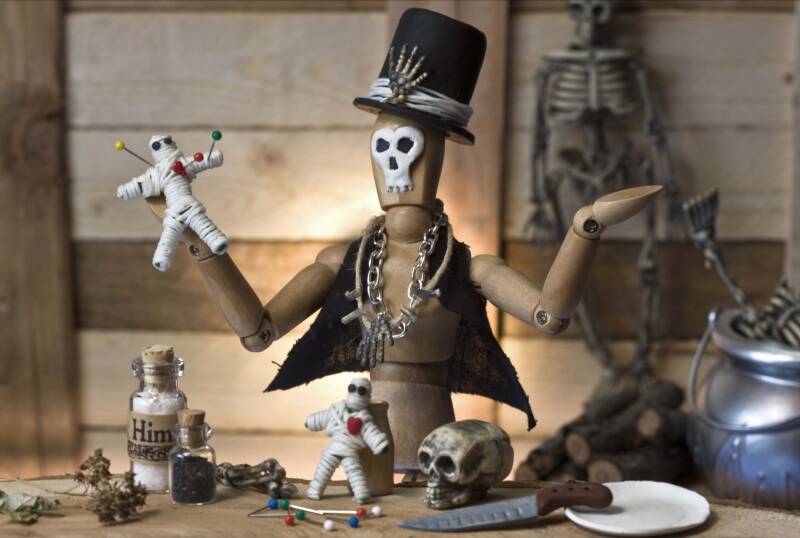
Many people associate Voodoo with dark magic, curses, and sensationalized rituals. However, these portrayals are largely inaccurate and stem from colonial narratives and Hollywood sensationalism. Authentic Voodoo focuses on healing, protection, guidance, and maintaining balance with the spiritual world. It is a religion with a strong ethical code, emphasizing community support, respect for elders, and personal responsibility.
Practices and beliefs
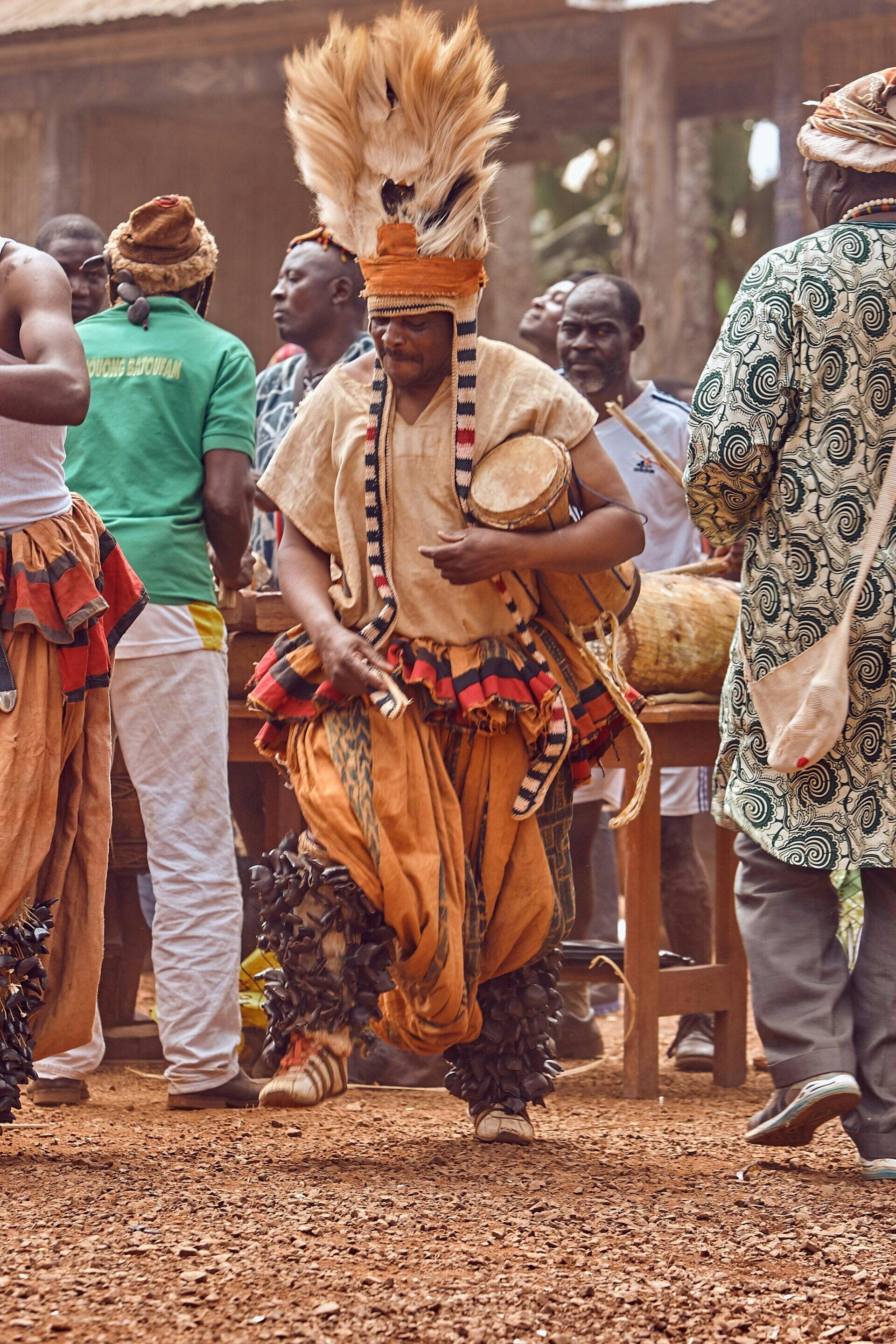
At the heart of Voodoo are the Lwa (or Loa), spirits who act as intermediaries between the supreme creator (Bondye) and humanity. Practitioners honor the Lwa through offerings, prayers, songs, and dances, seeking their assistance and guidance in various aspects of life. Ancestor veneration is also a cornerstone, recognizing the wisdom and continued influence of those who came before. This page is designed for both the curious newcomer seeking accurate information and those already on a spiritual path looking to broaden their understanding of diverse traditions.
Voodoo is an Afro-Caribbean religious and spiritual tradition that combines elements of West African beliefs with Catholicism and indigenous practices, often misunderstood in popular culture as “witchcraft.”
Origins and History
Voodoo, also spelled Vodou or Vodun, originated in West Africa, particularly among the Fon and Ewe peoples of modern-day Benin and Togo. During the transatlantic slave trade, enslaved Africans brought their spiritual traditions to the Americas, where these beliefs merged with Catholicism and local indigenous practices. In the United States, Voodoo developed most prominently in Louisiana, especially in New Orleans, while Haitian Vodou became central in Haiti
Beliefs and Practices
Voodoo is monotheistic at a higher level, centered on a supreme creator spirit, often called Bondyè in Haitian Vodou. However, daily spiritual life involves interaction with loas (or lwa), spirits who oversee various aspects of life such as health, love, work, and family. Practitioners, called vodouisants, communicate with these spirits through rituals that include prayer, drumming, dancing, offerings, and possession ceremonies.
Key elements include:
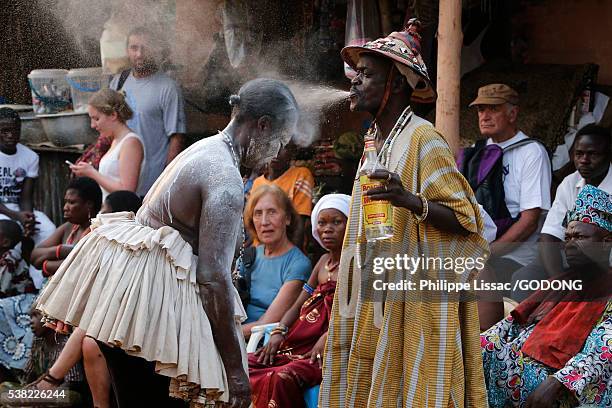
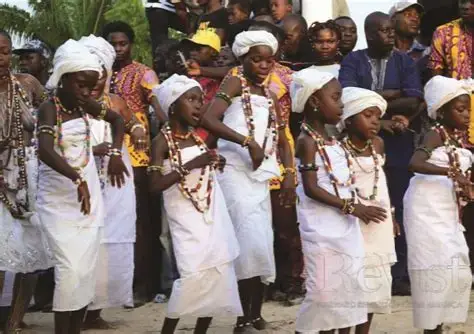
Rituals and Ceremonies: Voodoo ceremonies often involve music, dance, and spirit possession where a loa temporarily inhabits the body of a participant
Altars and Offerings: Devotees create altars at home or in temples, offering food, drinks, or symbolic items to honor the spirits.
Healing and Guidance: Voodoo includes herbal medicine, spiritual guidance, and rituals to protect against misfortune.
Community and Ancestral Reverence: Ancestors play a crucial role, and communal gatherings strengthen spiritual and social bonds.
Misconceptions
Voodoo is often misrepresented in movies and media as evil or associated with curses and black magic. In reality, it is primarily a religion of community, spirit mediation, and cultural preservation. While some practitioners may use charms or protective rituals, malevolent magic is not the core of the faith
Wikipedia
Cultural Significance
Voodoo has influenced music, art, and literature, particularly in New Orleans Mardi Gras traditions and Haitian culture. Some aspects of Voodoo, such as ritual drums, symbolic art, and festivals, have become notable cultural markers embraced by both practitioners and the wider community.
In summary, Voodoo is a rich spiritual tradition that blends African heritage with religious syncretism, emphasizing the interaction with spirits, community rituals, and respect for ancestors, with a focus on guidance, healing, and daily life rather than the sensationalized magic depicted in popular culture