Celtic Reconstructionist Paganism (CRP) is a modern religious movement committed to reviving and practicing the pre-Christian spiritual traditions of the Celtic peoples with historical and cultural accuracy.
Overview
Celtic Reconstructionist Paganism is a polytheistic and animistic spiritual path, grounded in the belief that the natural world is sacred, inhabited by spirits, and connected to the Divine. Practitioners aim to reconstruct the religious practices, rituals, and social ethics of ancient Celtic societies, primarily from Ireland, Scotland, Wales, and Brittany, using historical records, folklore, myths, and archaeological evidence. Unlike eclectic forms of Paganism, CRP emphasizes authenticity and historical fidelity rather than modern reinterpretation.
Beliefs and Deities
CRP adherents generally honor the Celtic pantheon, which includes gods and goddesses such as Lugh, Brigid, Danu, and the Dagda. Ancestor veneration is also central, reflecting the strong familial and tribal ties of the ancient Celts. The spirits of nature, including rivers, hills, trees, and animals, are considered sacred entities with agency and deserving of respect. The ethics of CRP often emphasize reciprocity, hospitality, and community responsibility, reflecting the values observed in Celtic society.
Practices and Rituals
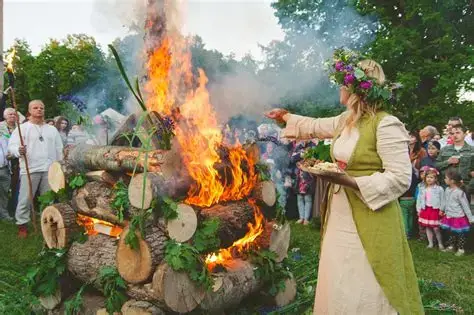
Ritual practices in CRP typically align with seasonal cycles, particularly the Gaelic fire festivals: Samhain (end of harvest), Imbolc (early spring), Beltane (fertility and fire), and Lughnasadh (harvest festival). Rituals may include:
- Offerings to deities and spirits
- Seasonal celebrations and feasts
- Divination or honoring ancestors
- Community gatherings and storytelling
Many practices are reconstructed based on scholarly research into Celtic folklore, mythological texts (such as the Mabinogion or Lebor Gabála Érenn), and historical accounts. Personal or household rituals can also include shrine-building and symbolic offerings.
Distinction from Other Pagan Paths
Unlike eclectic or modern Wiccan traditions, CRP avoids blending unrelated deities or practices. Its focus is on accuracy, cultural context, and education. Practitioners see themselves as cultural and religious reconstructions rather than inventors of a new faith, emphasizing the study of Celtic languages, history, and archaeology to guide practice.
Community and Resources
CRP has small but dedicated communities worldwide, often connected online or through local study groups. Scholars, authors, and experienced practitioners provide guidance in historical reconstruction, ritual formation, and ethical frameworks to support authentic practice.In summary, Celtic Reconstructionist Paganism is a historically informed revival of ancient Celtic spirituality, valuing cultural fidelity, seasonal cycles, ancestor veneration, and the acknowledgment of nature and deities as central to spiritual life.