Unveiling the wisdom of Tarot & Oracle Cards
Journey into the mystical realms of Tarot and Oracle cards. Discover how these ancient tools can illuminate your path, offer guidance, and deepen your understanding of yourself and the world around you.
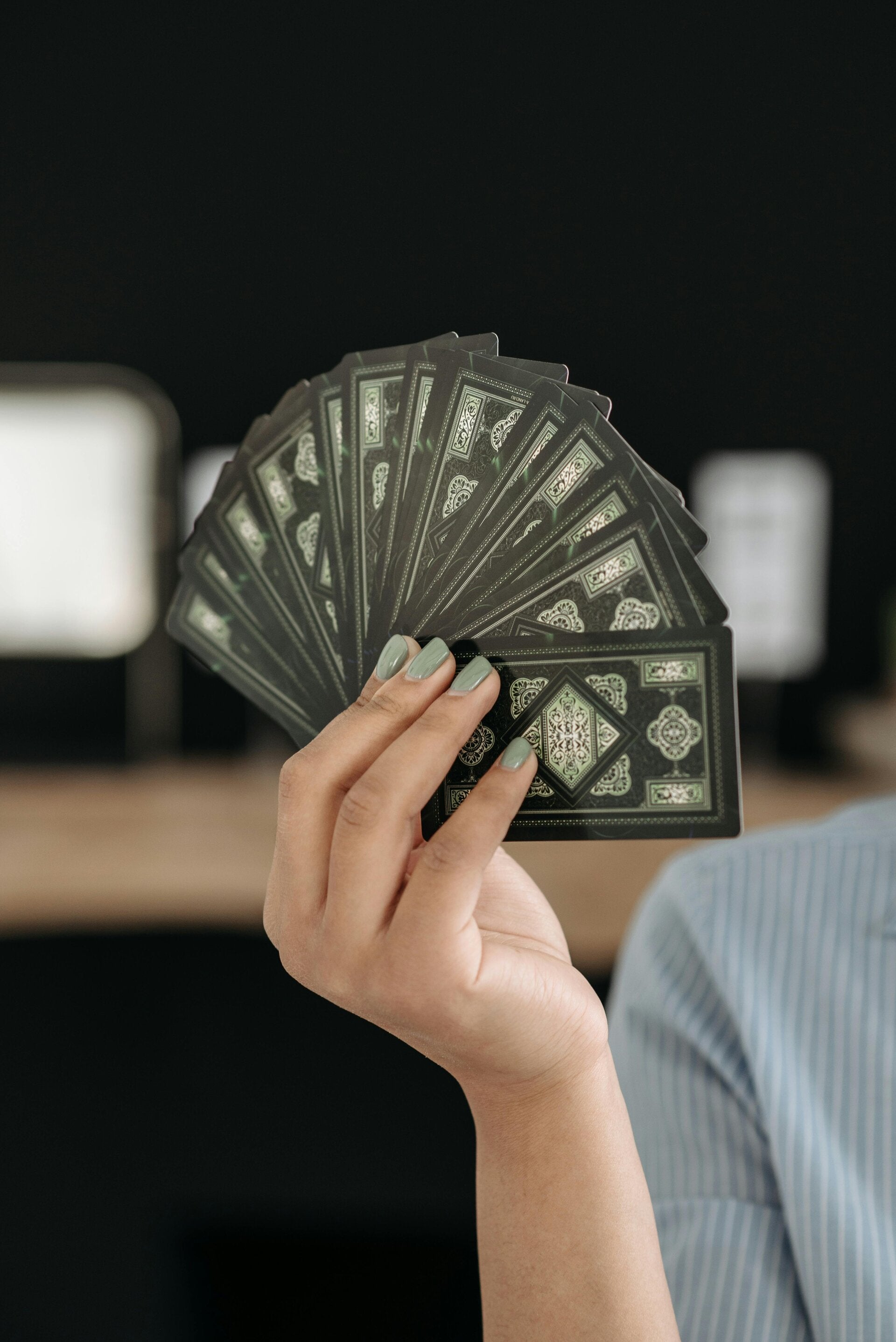
What are Tarot & Oracle Cards?
Tarot and Oracle cards are powerful divinatory tools, each with a unique way of speaking to your intuition. While often grouped together, they offer distinct experiences. Tarot decks typically follow a structured system of 78 cards, divided into Major and Minor Arcana, offering a comprehensive symbolic language. Oracle decks, on the other hand, are more fluid, varying in number and theme, and often provide direct, affirming messages. Both serve as mirrors to your inner wisdom, helping you gain clarity and perspective.

Choosing your perfect deck
Selecting a deck is a deeply personal experience. It's about finding imagery and themes that resonate with your soul. Do you prefer the traditional archetypes of the Rider-Waite-Smith Tarot, or are you drawn to the vibrant, modern art of an Oracle deck focused on nature spirits or self-love? Consider the artwork, the accompanying guidebook, and how the deck "feels" in your hands. There's no right or wrong choice; the best deck for you is the one that speaks to your heart and sparks your intuition.

Interpreting your readings
Reading Tarot and Oracle cards is less about fortune-telling and more about self-reflection and gaining insight. Each card offers symbolism, archetypal meanings, and an invitation to explore your subconscious. Focus on the questions you're asking, trust your intuition, and allow the cards to guide you toward deeper understanding rather than definitive answers. Remember, the cards reflect your present energy and potential paths, empowering you to make informed decisions for your highest good.
Tarot and oracle cards are tools for divination, offering symbolic representations to gain insight, guidance, and reflection on personal, spiritual, or life situations.
Tarot Cards
Tarot decks typically consist of 78 cards divided into the Major Arcana (22 cards representing significant life themes or spiritual lessons) and the Minor Arcana (56 cards divided into four suits reflecting day-to-day events, emotions, and challenges). Each card carries symbolic imagery, numerology, and traditional interpretations that readers use to answer questions or illuminate situations.
- Reading Techniques: Tarot readings often involve shuffling the deck while focusing on a question, then laying out cards in spreads (patterns) such as the three-card spread (past, present, future) or the Celtic Cross (detailed assessment of a situation).
- Interpretation: Readers combine the card meanings with intuition, the relationships between cards, and the position of cards in a spread to provide insights.
- Purpose: Tarot is considered a psychological or spiritual tool for reflection, decision-making, and self-awareness rather than absolute prediction.
Oracle Cards
Oracle decks are more flexible than tarot and vary widely in the number of cards, themes, and artistic designs. They often focus on general guidance, affirmations, spiritual messages, or specific aspects like angels, ancestors, or personal growth.
- Reading Techniques: Oracle readings may involve drawing one or several cards for daily guidance, meditation, or answering a specific question.
- Interpretation: Each deck comes with its own guidebook or instructions, but intuitive interpretation plays a significant role. Oracle cards tend to allow more open-ended readings than tarot.
Differences Between Tarot and Oracle Cards
- Structure: Tarot decks have a defined structure (Major/Minor Arcana), whereas oracle decks are more freeform.
- Complexity: Tarot often requires familiarity with traditional meanings; oracle cards often use simpler, direct messages.
- Purpose: Tarot can explore deeper psychological patterns and life cycles; oracle cards tend to provide inspiration, reflection, and affirmations.
Ethical and Practical Considerations
- Use cards as a reflection tool rather than absolute predictors of the future.
- Be respectful of spiritual practices and the beliefs of others.
- Develop personal intuition and understanding through regular practice and journaling about card meanings and insights.
In summary, both tarot and oracle cards serve as tools for introspection and guidance, offering symbolic language to reflect on questions, explore life situations, and inspire personal insight. Tarot follows a traditional system of archetypal symbolism, while oracle cards offer flexible and intuitive messages. Choosing between them depends on whether one prefers structured analysis or intuitive, open-ended guidance.