Unveiling the secrets in your cup
Journey into the captivating world of tasseography, an ancient art of divination that finds meaning in tea leaves. Discover its rich history and why it continues to fascinate those seeking insights from the depths of their teacup.

What is tasseography? The art of tea leaf reading
Tasseography, often known as tea leaf reading, is a fascinating method of divination that interprets patterns and symbols formed by tea leaves left in a cup after the tea has been consumed. It's a practice steeped in history, offering a unique blend of intuition and symbolism to reveal insights about the past, present, and future. For many, it's more than just a fortune-telling technique; it's a meditative and introspective journey into the subconscious.
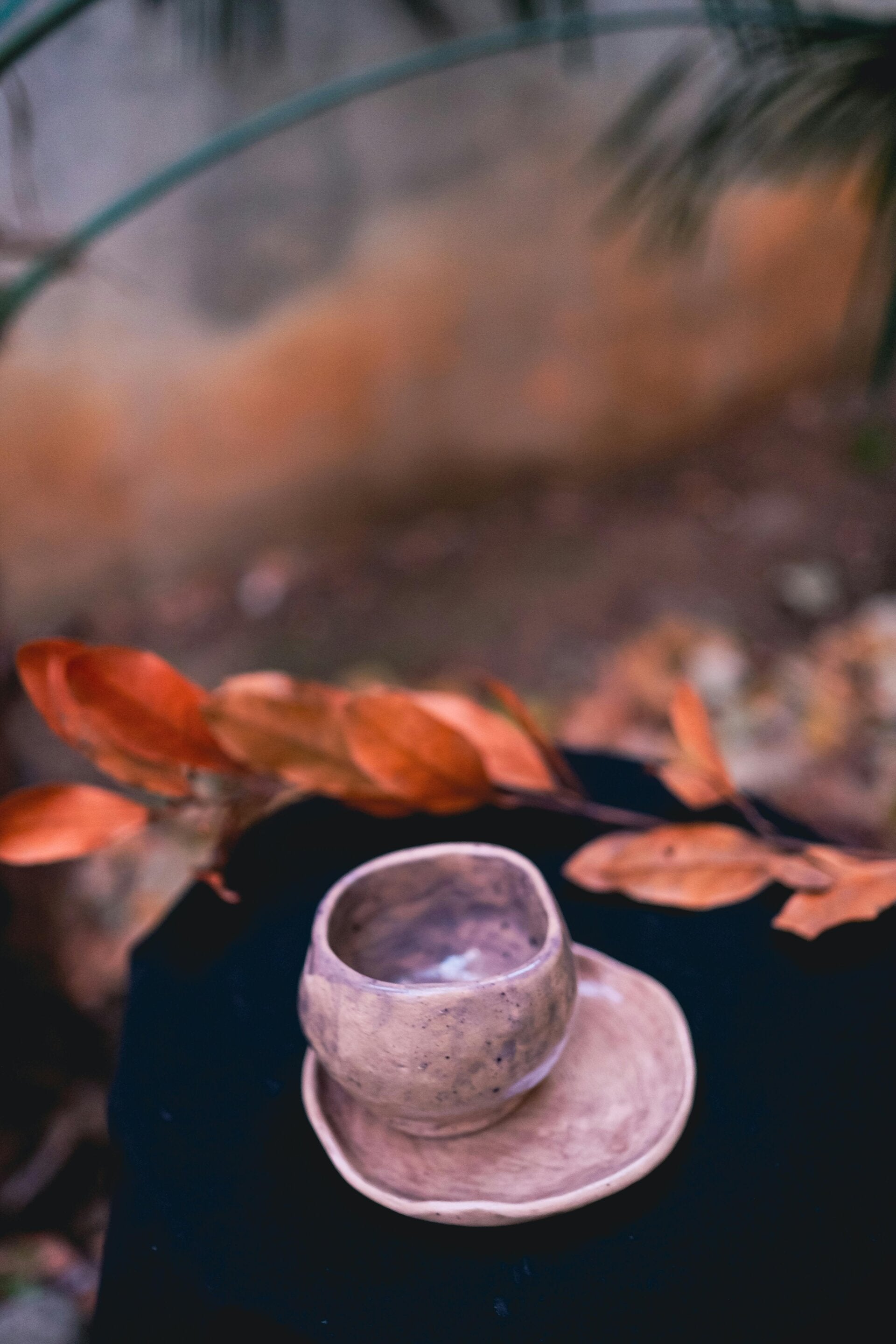
The mystical appeal of tea leaves
What makes tasseography so special and interesting to us at The Altered Goddess is its accessibility and profound connection to daily ritual. It transforms an everyday act of drinking tea into an opportunity for deep reflection and spiritual discovery. The patterns formed by the leaves are fluid, ever-changing, and deeply personal, much like our own lives. This form of divination allows for a very organic and intuitive interpretation, making each reading a unique experience.

Who is tasseography for?
We imagine that individuals interested in divination, spiritual practices, ancient traditions, and those seeking a unique form of self-reflection will be most interested in reading about tasseography. If you're drawn to practices like Tarot & Oracle Cards, Runes, or even Dreams, the subtle art of tea leaf reading offers a complementary pathway to insight. It appeals to those who appreciate the blend of history, culture, and personal intuition.
Discover your inner diviner
After reading this page, we hope you feel inspired to explore the magic within your teacup. Our main goal is for you to feel a sense of curiosity and wonder about the world of tasseography and perhaps even be prompted to try it yourself. We want you to feel empowered by the idea that profound insights can be found in the simplest of rituals, connecting you to ancient wisdom and your own intuition.
Tasseography is the practice of reading patterns in tea leaves, coffee grounds, or wine sediments to gain insight into the future or reveal hidden knowledge.
Definition and Overview
Tasseography, also known as tasseomancy, is a form of divination that involves interpreting the shapes and symbols formed by leftover tea leaves, coffee grounds, or wine sediments in a cup. The term comes from the French word tasse, meaning cup, combined with the Greek -graphy, meaning writing or interpretation. This practice is often associated with clairvoyance and is considered part of the broader field of fortune-telling.
Origins and History
The roots of tasseography trace back to ancient cultures. Tea leaf reading is believed to have originated in China, where tea preparation rituals were connected to divination and spirituality. The practice later spread to the Middle East, particularly the Ottoman Empire, where Turkish coffee culture popularized coffee ground readings. By the 17th and 18th centuries, tasseography appeared in Europe, becoming a popular method of divination in Victorian society, particularly among the Romani people, who are historically linked with fortune-telling traditions.
Methods and Tools
Tea Leaf Reading
- Brew loose-leaf tea without a strainer.
- Drink the tea, leaving a small amount of liquid in the cup.
- Swirl the cup and invert it onto a saucer, allowing the leaves to settle into patterns.
- Read the shapes formed, interpreting symbols, clusters, and their placements within the cup.
Coffee Grounds
- Turkish coffee drinkers often leave the grounds at the bottom of the cup after drinking. The pattern of the grounds is examined similarly to tea leaves.
Wine Sediment
- Less common, but red wine sediments can also be used for divination using similar techniques.
Interpretation
Symbols in tasseography are read both figuratively and intuitively. Some common interpretations include:
- Heart-shaped leaves: love or emotional connections
- Birds or angels: good news or messages
- Straight lines: travel or progress
- Circles or loops: completion of cycles or reunion
The position of symbols within the cup often indicates timeframe or importance—symbols near the bottom might refer to distant future events, whereas those near the rim could indicate imminent occurrences.
Cultural Significance
Tasseography is practiced worldwide, from Middle Eastern coffee rituals to European and North American fortune-telling traditions. It is seen not only as a technique for predicting the future but also as a tool for reflection, meditation, or gaining personal insight. Many practitioners emphasize intuition and symbolic understanding rather than rigid interpretation guidelines.
Practical Advice
- Keep an open mind and use readings as guidance rather than absolute predictions.
- Record recurring symbols to track patterns over time.
- Combining tasseography with journaling or meditation can enhance self-reflection and insight.
In essence, tasseography combines cultural history, intuition, and symbolic interpretation to offer insights into personal, emotional, and spiritual matters, making it a fascinating and enduring form of divination.
