E
The Eastern Element of Wood in Chinese Philosophy and Astrology
In Eastern philosophy, particularly in Chinese Wuxing (Five Elements) theory, Wood is one of the five fundamental forces of creation — alongside Fire, Earth, Metal, and Water. It is not merely a material substance but a dynamic life force representing growth, vitality, and upward movement
Symbolism and Meaning
-
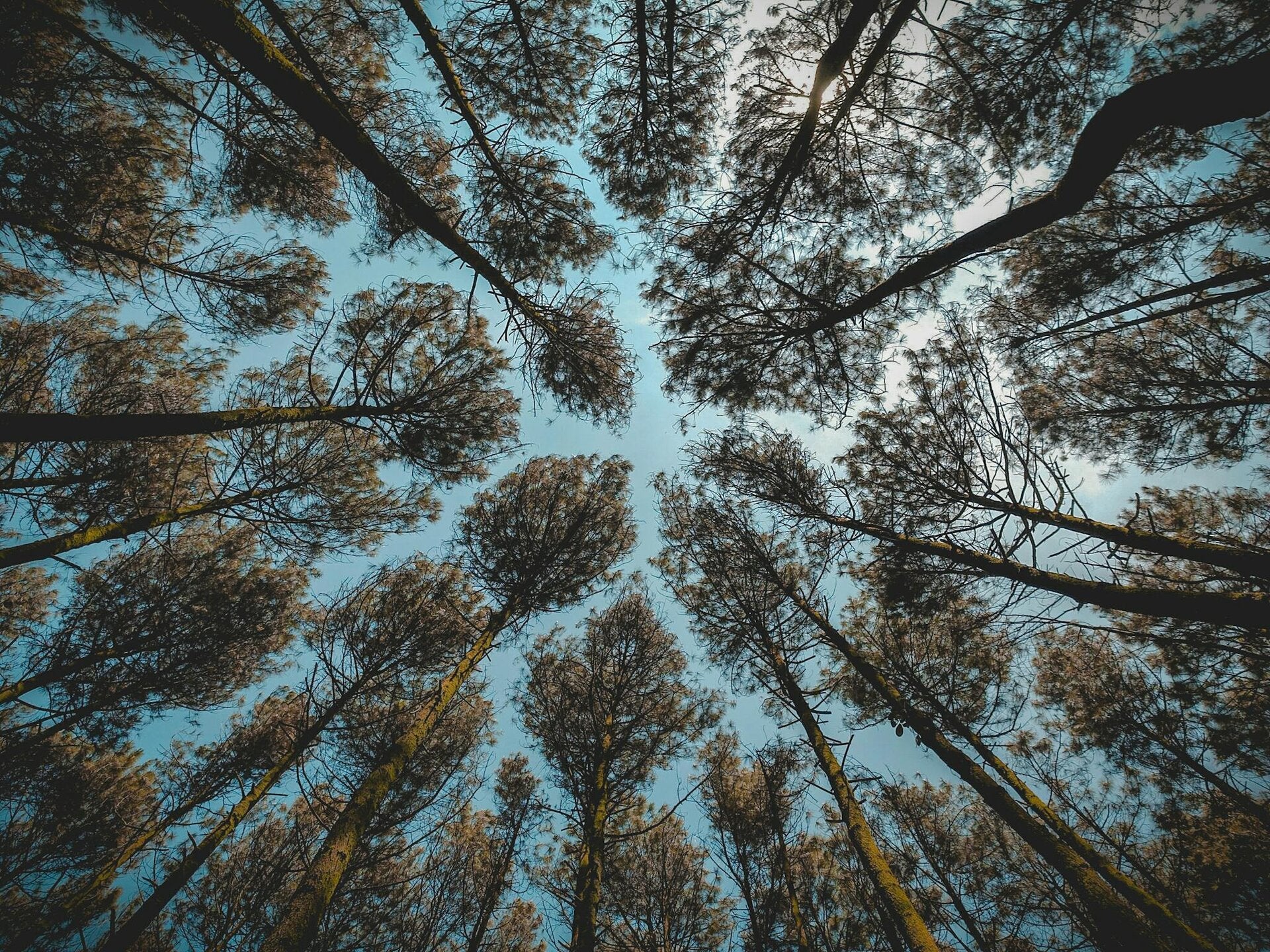
Growth and Vitality: Wood symbolizes life force energy (jing), much like a tree growing toward the light. It is associated with spring, the season of renewal, and the sour taste in Chinese medicine .
-
Direction and Movement: In feng shui and Chinese astrology, Wood is linked to the east as the direction of growth and expansion .
-
Personality Traits: In Chinese astrology, Wood is often described as exceptionally gifted, idealistic, and a planner, with a strong drive for progress and self-improvement .
Interactions in the Five Elements
Wood operates in two key cycles:
-
Generating (Sheng) Cycle: Wood → Fire → Earth → Metal → Water → Wood (Wood nourishes Fire, which creates Earth, and so on)
-
Controlling (Kè) Cycle: Wood parts Earth, Earth dams Water, Water extinguishes Fire, Fire melts Metal, Metal chops Wood .
These cycles maintain balance in nature, health, and human affairs.
Associations
- Organs in TCM: Liver, gallbladder, and kidneys are linked to Wood .
-
Season: Spring.
-
Direction: East.
-
Colors: Green, yellow.
-
Animals: Tiger, Rabbit (in certain years) .
-
Foods: Sour foods (e.g., lemons, vinegar) are considered Wood foods.
Cultural Significance
In Chinese culture, Wood is highly valued for its life-giving and constructive qualities. Occupations involving wood, such as carpentry or construction, are seen as ways to “nourish” the Wood element in one’s life . In feng shui, placing green plants or wood objects in the east direction is believed to strengthen Wood energy.
In summary: The Eastern element of Wood in Chinese philosophy and astrology represents growth, vitality, and expansion, symbolizing the life force that drives progress and renewal. It is central to the balance of the Five Elements and deeply embedded in Chinese culture, health, and environmental design.