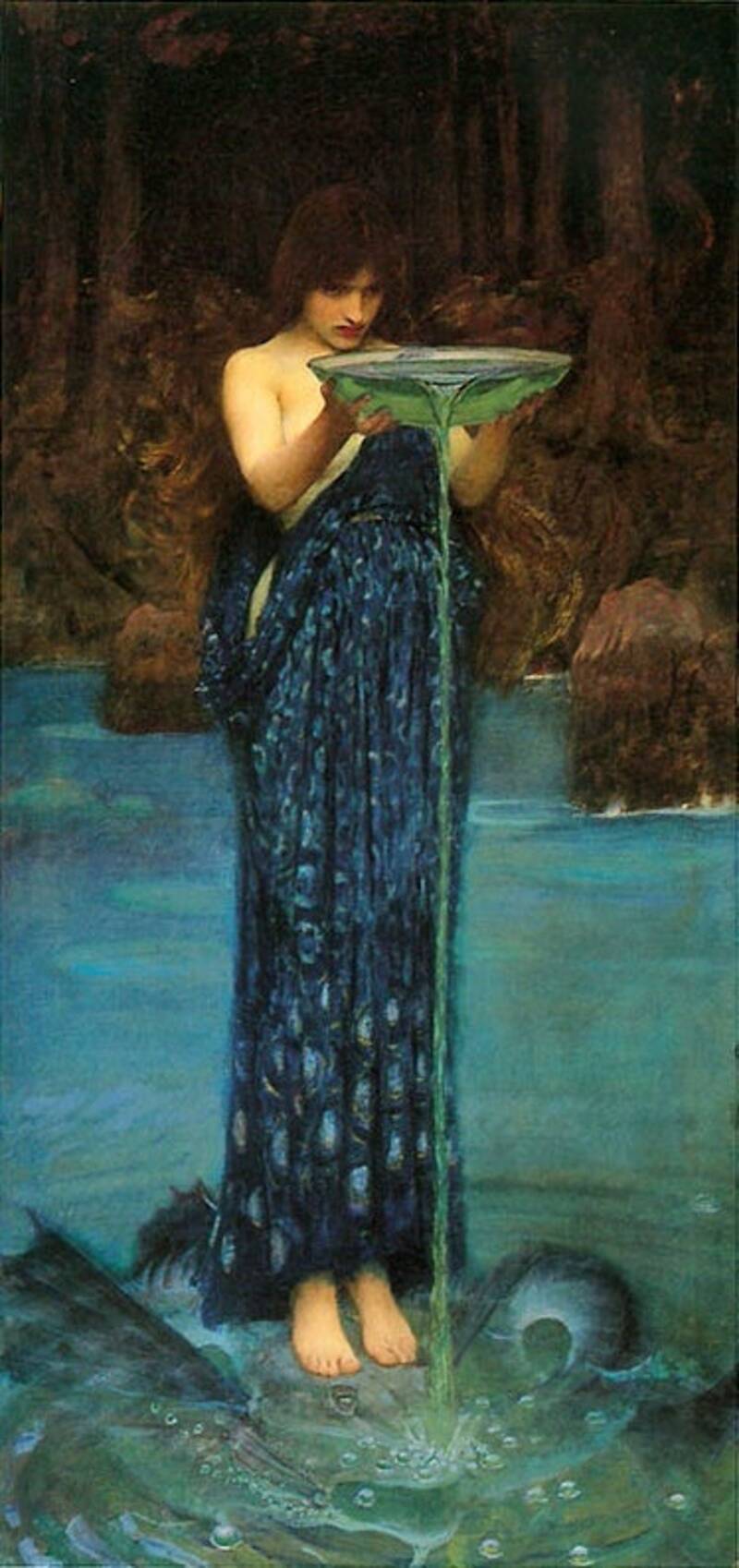
Hydromancy: Unveiling secrets in water's depths
Step into the serene world of hydromancy, an ancient art that uses water to reveal hidden truths and future insights. Discover how this mystical practice connects us to the fluid wisdom of the natural world.

What is hydromancy?
Hydromancy is the art of divination by means of water. It's one of the oldest forms of scrying, where practitioners observe the movement, ripples, or reflections in a body of water—whether it's a still pond, a flowing river, or even a simple bowl—to gain insight into questions about the past, present, or future. It’s a profound way to tap into intuition and connect with the subconscious.

Ancient roots, modern connections
From ancient Greece and Rome to various indigenous cultures, water has been revered as a source of sacred knowledge. This page is intended for anyone curious about divination, pagan practices, or simply looking to explore a deeper connection with the element of water. We hope readers will learn to appreciate the subtle power of water as a divinatory tool and perhaps even be inspired to try some basic hydromantic techniques themselves.

The enduring wisdom of water
If there's one thing to remember about hydromancy, it's that water is a living, responsive element. Its surface is a canvas for your intuition, reflecting not just images, but also your inner thoughts and the energies around you. It's a reminder of water's deep connection to our emotions and psychic awareness. A common misunderstanding is that hydromancy is about seeing literal images, but it's often more about interpreting patterns, feelings, and symbolic flashes that arise from the water's surface.
Hydromancy is a form of divination that interprets water movements or appearances to gain insight into the future or hidden knowledge.
Definition and Method
Hydromancy derives from the Greek words hydor (water) and manteia (prophecy or divination). It involves using water in its various forms—such as rivers, lakes, wells, or rain—as a medium for obtaining prophetic visions or omens. Practitioners would often examine:
- Ripples, waves, or currents
- Reflections and surface disturbances
- Color changes or floating objects
- The sounds of water, such as babbling streams or rainfall
These signs were interpreted according to symbolic systems or intuitive insight to predict outcomes or answer questions. Techniques could include scrying, where a reflective surface of water is gazed into until visions appear. Some forms also involved casting objects into water and reading the patterns of ripples or floating items for clues about the future.
Historical Context
Hydromancy is one of the oldest forms of divination, used in various cultures:
- Ancient Greece and Rome: Oracles and augurs employed water-based methods to guide decisions or foretell events.
- Medieval Europe: Hydromancy featured in occult texts describing scrying with holy water, reflecting astrology or magical timing.
- Other cultures: Indigenous and folk traditions often considered water a sacred element with deep spiritual significance, where rivers, wells, or rain could symbolize divine communication or warning signs.
Hydromancy was sometimes linked to other divinatory practices such as necromancy or pyromancy, forming part of broader ritual practices.
Symbolism and Cultural Significance
Water in hydromancy represents fluidity, reflection, and hidden depths, symbolically mirroring the subconscious, emotions, or the unknown. In literature and folklore, water has often functioned as a portal to insight or prophecy, emphasizing its mysterious and transformative qualities.
Contemporary Interest
Today, hydromancy appears mainly in occult literature, metaphysical studies, and spiritual practices. Modern practitioners may use bowls of water, aquariums, or even digital simulations to explore scrying or symbolic interpretations, often combining historical techniques with personal intuition or meditation. It is also studied academically as part of folklore, anthropology, and comparative religion.In summary, hydromancy is an ancient practice of divination using water for insight, blending observation, symbolism, and intuition, and continues to fascinate those interested in historical and mystical traditions.