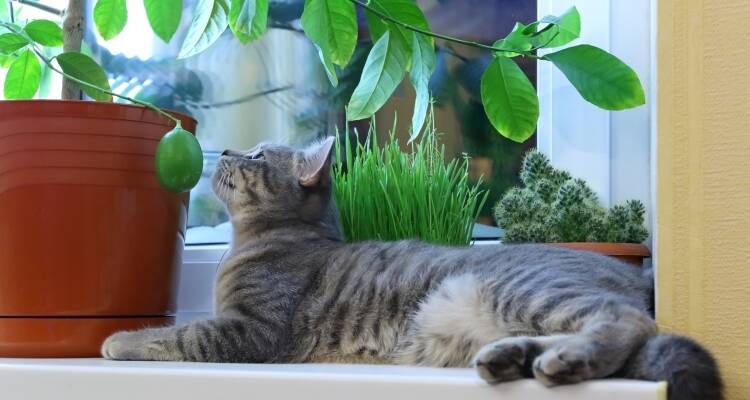
Many common houseplants and garden plants are toxic to pets, causing symptoms from mild gastrointestinal upset to life-threatening organ failure.
Common Toxic Plants
Some of the most dangerous plants for pets include:
- Sago Palm (Cycas revoluta): Extremely toxic; all parts contain cycasin, especially seeds. Can cause vomiting, diarrhea, seizures, liver failure, and death within 2–3 days if ingested .
- Lilies (Lilium spp. and Hemerocallis spp.): Highly toxic to cats; ingestion can lead to kidney failure .
- Azaleas and Rhododendrons: Can cause vomiting, diarrhea, drooling, and potentially fatal heart issues .
- Tulips and Daffodils: Bulbs are particularly toxic; can cause severe vomiting, tremors, convulsions, and heart problems.
- Autumn Crocus: Contains colchicine; can cause gastrointestinal bleeding, kidney and liver damage, and respiratory failure .
- Foxglove: Extremely toxic; ingestion can result in cardiac failure and death .
- Amaryllis: Contains lycorine; can cause vomiting, diarrhea, lethargy, tremors, and abdominal pain.
- Caladium: Causes drooling, mouth irritation, difficulty swallowing, and vomiting.
- Pothos (Devil’s Ivy): Contains insoluble calcium oxalates; can cause vomiting, drooling, and oral irritation .
- Snake Plant (Sansevieria trifasciata): Contains saponins; can cause vomiting, diarrhea, and drooling .
- Begonia: Tubers can irritate the mouth and cause difficulty swallowin.
- Chrysanthemum: Contains pyrethrins and lactones; can cause vomiting, diarrhea, drooling, and loss of coordination.
- Geranium: All varieties are poisonous; ingestion can lead to gastrointestinal upset .
Symptoms of Plant Toxicity
Pets that ingest toxic plants may show:
- Vomiting and diarrhea
- Drooling or excessive salivation
- Lethargy or weakness
- Tremors or seizures
- Difficulty swallowing
- Organ failure in severe cases
Prevention and Safety Tips
- Remove toxic plants from homes and yards, especially if pets are curious or young.
- Supervise pets outdoors and discourage chewing on plants
- Educate yourself on both indoor and outdoor plants in your environment.
- Provide safe alternatives: Some non-toxic plants include spider plants, Boston ferns, and certain herbs like basil and parsley .
What to Do if Your Pet Ingests a Toxic Plant
- Contact your veterinarian immediately or call a pet poison hotline such as the ASPCA Poison Control at (888) 426-4435 or the Pet Poison Helpline at (855) 764-7661 wewe.
- Do not induce vomiting unless specifically instructed by a professional.
- Provide information about the plant ingested, the amount, and any symptoms observed.
Being aware of toxic plants and taking preventive measures can significantly reduce the risk of accidental poisoning and keep pets safe in both indoor and outdoor environments.
Look at this ASPCA extensive list of toxic and non toxic plants to pets.