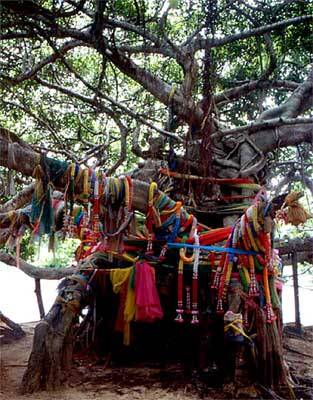
Sacred trees from around the world
Journey with us through ancient groves and mystical forests. Discover the profound stories and spiritual significance of trees that have been revered across cultures and continents. From the mighty oak to the delicate cherry blossom, these sacred sentinels connect us to the earth, the divine, and the timeless wisdom of nature.

Whispers from the mighty oak
In many European traditions, the oak tree stands as a symbol of strength, wisdom, and longevity. Revered by the Celts as a gateway to the otherworld and associated with powerful deities like Zeus and Thor, its sturdy presence embodies endurance and protection. Explore its rich history and discover why the oak continues to inspire awe and respect.

The ephemeral beauty of cherry blossoms
In Japan, the cherry blossom, or sakura, symbolizes the transient nature of life, beauty, and renewal. Its brief yet spectacular bloom reminds us to cherish every moment and embrace change. Delve into the cultural festivals, poetry, and philosophy inspired by this beloved tree, and understand its deep spiritual resonance.
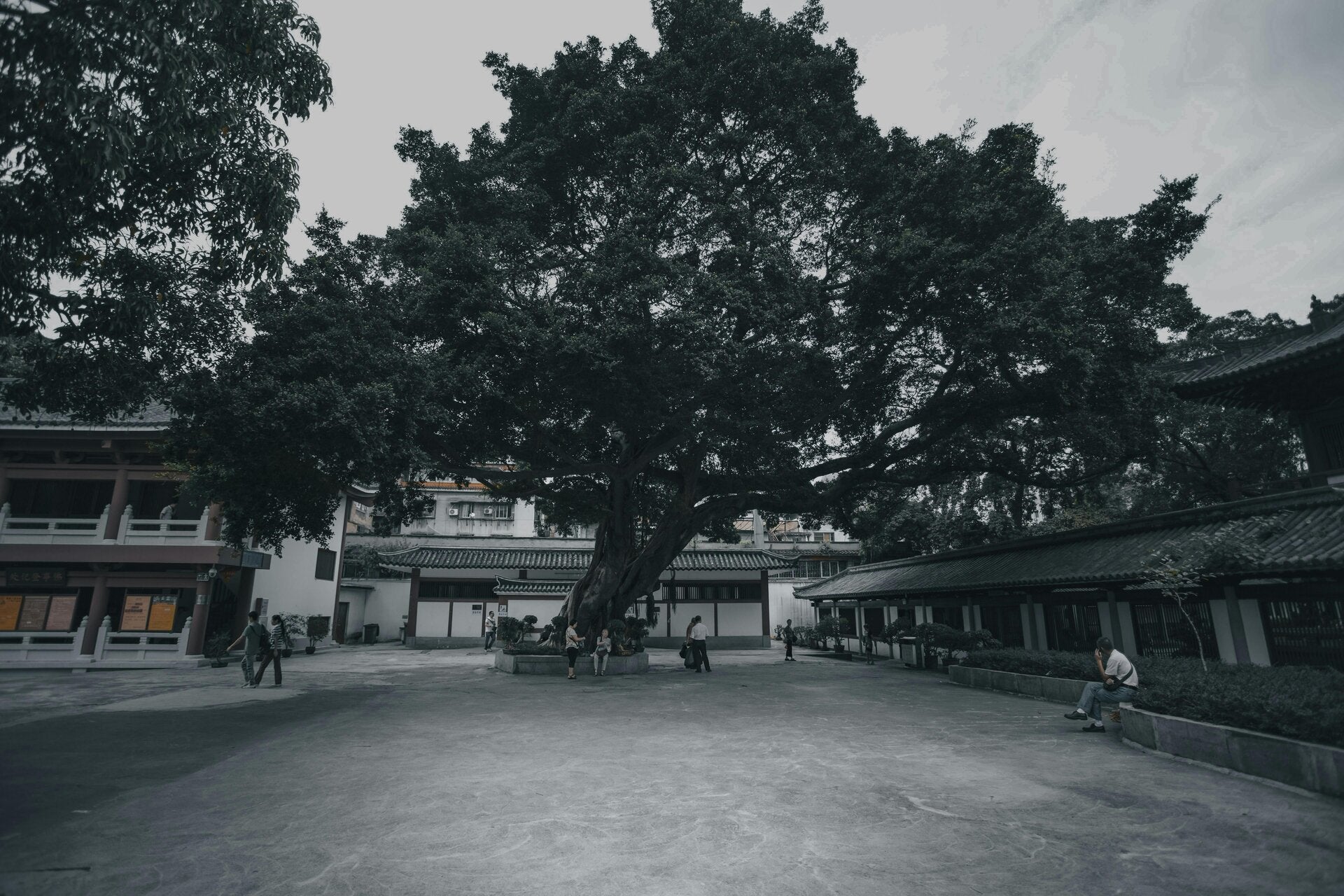
Enlightenment beneath the Bodhi tree
The Bodhi tree holds immense significance in Buddhism as the place where Siddhartha Gautama attained enlightenment and became the Buddha. It represents wisdom, awakening, and the path to liberation. Discover its historical importance, the spiritual practices associated with it, and its role as a living symbol of profound spiritual transformation.
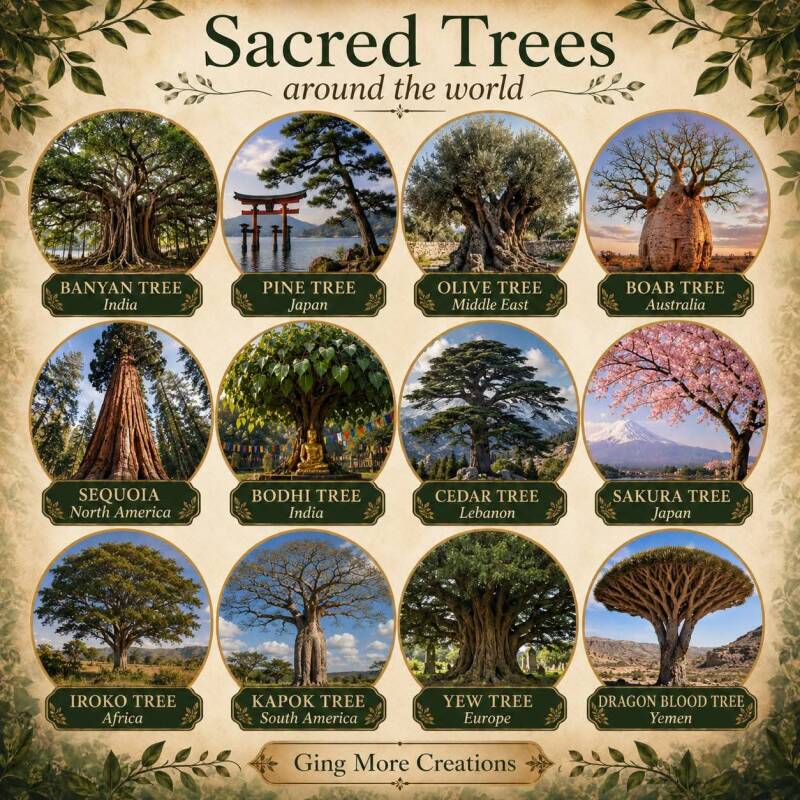
Conservation Status
The species is classified as Vulnerable by the IUCN due to a combination of climate change, habitat loss, overgrazing by goats, and unsustainable harvesting of resin
. Climate shifts are reducing mist availability, crucial to the trees’ hydration, while seedlings struggle to survive due to overgrazing and slow growth rates (2–3 cm per year)
. Conservation efforts include protected nurseries, community engagement, reforestation, and habitat protection. Approximately 600 saplings have reached maturity with minimal human-assisted watering, offering hope for population regeneration
.
Cultural and Medicinal Significance
The tree’s unique red sap has influenced folklore and tradition for centuries. Beyond medicinal uses, it has been employed in rituals, traditional dyes, and even as an ingredient in varnish for musical instruments
. Its status as the national tree of Yemen underscores its cultural importance
.
- .
Toxicity and Safety
All parts of the yew tree except for the fleshy arils are highly toxic due to alkaloids, including taxine. Ingesting leaves, seeds, or bark can lead to severe poisoning, showing symptoms such as nausea, heart failure, and potentially death. Pets and livestock should be carefully kept away from yews, and caution is advised when handling or pruning the tree due to the potential risk of exposure to toxic sap and seeds.
Growing Tips
For those planting yews, consider the following:
- Plant in well-drained soil with partial to full sun exposure.
- Prune carefully to shape hedges or lessen density.
- Yews are drought-tolerant once established but benefit from occasional watering in prolonged dry periods.
- Avoid planting where children, pets, or livestock may access leaves or seeds due to toxicity.
Yew trees are a remarkable combination of beauty, history, and caution, making them both treasured and respected in gardens and natural spaces.
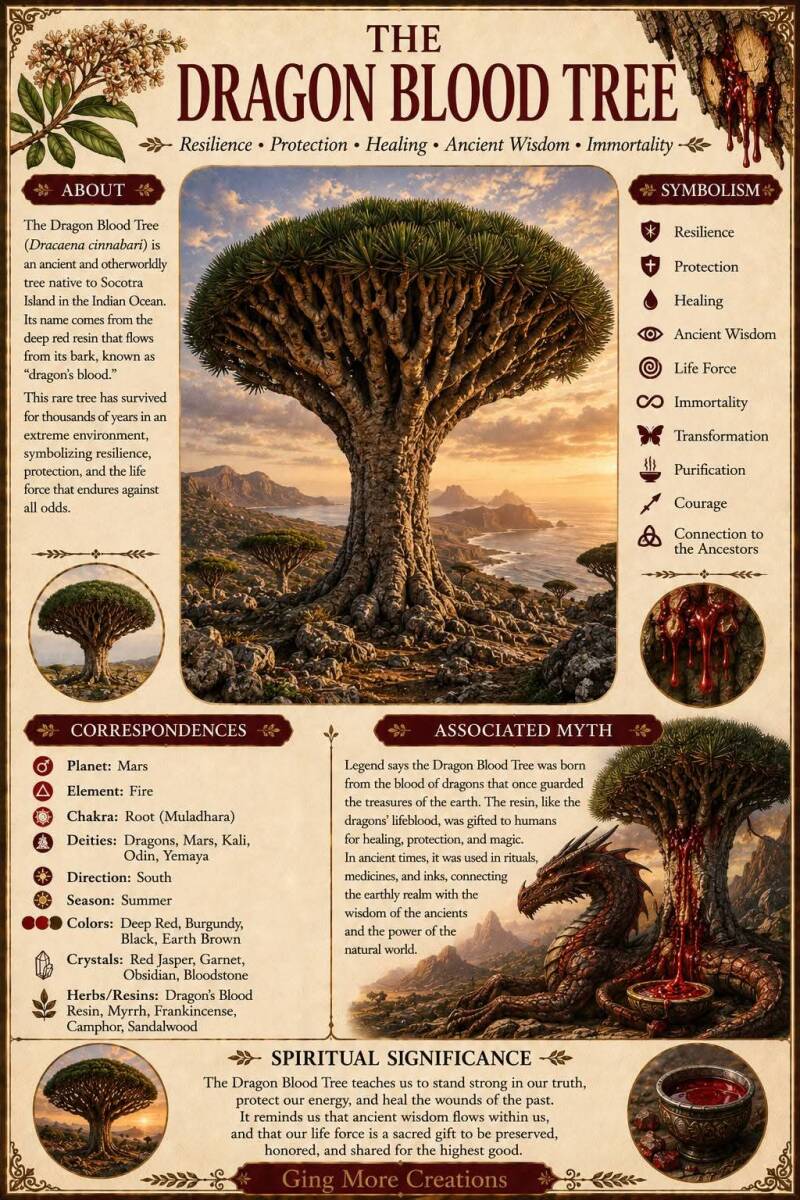
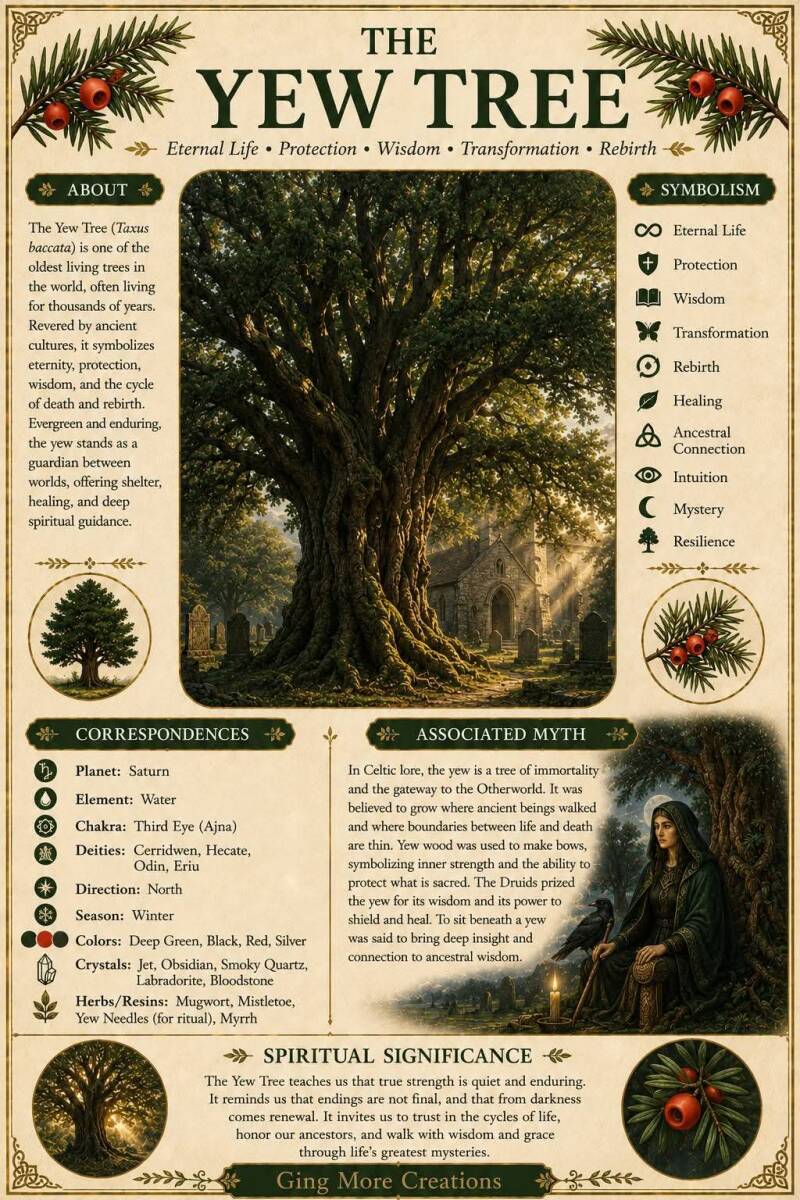
The dragon's blood tree, native to Yemen's Socotra archipelago, is renowned for its umbrella-shaped crown, slow growth, and the red resin known as "dragon’s blood," making it both an ecological keystone and a culturally significant species.
Botanical Description
The dragon's blood tree (Dracaena cinnabari) is an evergreen tree that can grow up to 9–12 meters (30–40 feet) tall with a similarly wide crown, forming a distinctive umbrella shape
. Its thick trunk and dichotomously branching limbs support clusters of long, sword-shaped leaves concentrated at the branch tips. Unlike most monocots, D. cinnabari exhibits secondary growth, allowing its trunk to thicken over time
. The tree produces small white or greenish flowers, typically from March to May, and fleshy berries that turn orange when ripe, consumed and dispersed by birds
.
Red Resin: Dragon’s Blood
The tree’s characteristic deep red resin, called dragon’s blood, exudes when the bark is injured. Historically, this resin has been highly prized for medicinal uses, dyes, varnishes, and incense
. In antiquity, civilizations including the Greeks, Romans, and Arabs valued it as a coagulant and remedy for various ailments, while in more recent centuries, it has been used in varnishes for violins and other crafts
.
Habitat and Ecology
Endemic to the Socotra archipelago, the dragon's blood tree thrives in arid, rocky, high-altitude plateaus and limestone slopes. Its umbrella-like canopy collects mist and rain, channeling water to the roots and creating a shaded microclimate that helps seedlings establish beneath adult trees
. This adaptation is crucial in Socotra’s harsh climate with low rainfall
. The tree also plays a vital ecological role by supporting local biodiversity, offering shelter and sustenance for birds, insects, and other plants
.
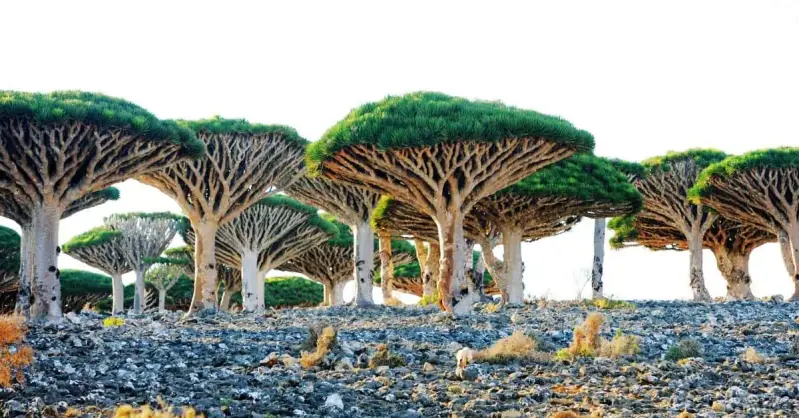
The yew tree is a slow-growing, long-lived conifer known for its dark green needles, red berries, and toxic properties, commonly used in landscaping and traditional medicine.
Botanical Characteristics
Yew trees belong to the genus Taxus, which includes several species such as the English yew (Taxus baccata) and the Pacific yew (Taxus brevifolia). Yews are evergreen conifers with flat, dark green needles arranged spirally but appearing two-ranked. Their seeds are encased in bright red, fleshy arils, which are attractive to birds, but the seeds themselves are highly toxic if ingested.Yews are renowned for their slow growth and exceptional longevity. Some English yews, for example, can live for thousands of years, making them iconic in landscapes and churchyards.
Habitat and Distribution
Yew trees are native to Europe, Asia, and North America, with specific species adapted to local climates. They grow well in well-drained soils and can tolerate shade, drought, and urban conditions, making them popular for hedges and ornamental planting. Yews thrive in temperate regions, and they can survive in a variety of soil types, although they prefer neutral to slightly alkaline soils.
Uses and Cultural Significance
- Landscaping: Yews are widely used in hedges, topiary, and garden ornamentation due to their dense foliage and tolerance of pruning.
- Traditional Medicine: Compounds extracted from yews, notably paclitaxel from the Pacific yew, are used in cancer treatment, particularly chemotherapy for breast and ovarian cancers.
- Woodworking: Yew wood is strong and resilient, historically valued for making longbows and furniture.
- Cultural Symbolism: Yews are often associated with longevity, immortality, and often planted in graveyards or sacred sites in Europe.


To support such a massive height, Kapok trees have special roots called "buttress roots." These are huge, wide, and flat roots that spread out from the base of the trunk, looking like giant planks of wood. They help stabilize the tree and keep it from toppling over in strong winds or soft rainforest soil.
The trunk of a mature Kapok tree is usually smooth and grayish-brown. When the tree is younger, its bark might have some pointy spikes, which are thought to protect it from animals.
Its leaves are compound, meaning each leaf is made up of several smaller leaflets, usually 5 to 9 of them, arranged like fingers on a hand. They are bright green and help the tree soak up lots of sunlight.
At the very top, the Kapok tree spreads its branches wide, forming a huge, umbrella-shaped crown that provides shade and shelter for many rainforest creatures.
The Kapok Tree, scientifically known as Ceiba pentandra, is a majestic and iconic species that graces the tropical rainforests of Central and South America. Standing tall with a straight trunk that can reach impressive heights of over 200 feet, the Kapok Tree is crowned with a high canopy that spreads wide, creating a towering presence in its native habitat.
What sets this tree apart is its unique adaptation to the rainforest environment, particularly its large, bottle-shaped trunk that stores water during the dry season, providing a vital resource for both the tree itself and the surrounding ecosystem. The Kapok Tree is adorned with vibrant, palmate leaves and produces striking five-lobed flowers that range from white to pink, attracting a diverse array of pollinators.
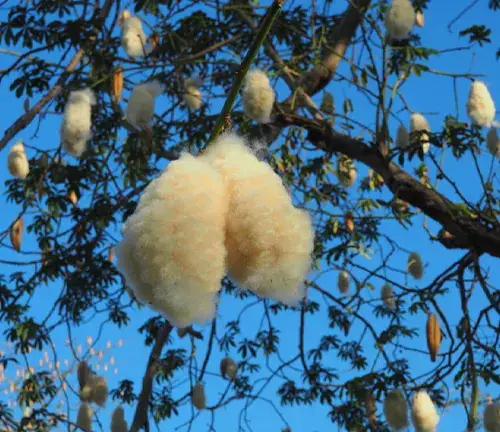
Additionally, the tree is renowned for its fluffy, cotton-like fibers that encapsulate its seeds, which were traditionally used by indigenous cultures for various purposes, including crafting pillows and life vests. Beyond its cultural and ecological significance, the Kapok Tree also plays a crucial role in the rainforest’s intricate web of life, providing shelter and sustenance for numerous species, making it a symbol of resilience and interconnectedness in these lush and vital ecosystems. Used for making pillows, mattresses, life jackets, and other products.
- Cultural Significance: Believed to be the center of the earth by the Maya
- Native Regions: Found in Central and South America, West Africa, and Southeast Asia
The kapok tree is a testament to the diversity and resilience of tropical ecosystems, offering a range of uses and ecological benefits.

Guardian of sacred groves
Iroko Tree Spiritual Significance
The Iroko tree holds profound spiritual significance across various cultures, particularly in West Africa. It is revered as a guardian of sacred groves, a bridge between the earthly realm and the realm of ancestors, and a symbol of strength and resilience. In Igbo tradition, the Iroko is known as ọjị, and it is believed to have been planted by Chukwu (God) to nurture newborn souls. The tree's roots anchor sacred groves, serving as a portal to the ancestral realm. In Yoruba tradition, the Iroko is associated with the spirit of Iroko-man, a potent spirit that can be seen as a guardian of ancestral lands. The Iroko tree is also feared in some cultures, where it is shunned or revered with offerings. Its felling is treated as a matter of great ritual care, reflecting its deep-rooted spiritual importance.
In the heart of Igboland, four mystical trees stand as guardians of tradition and spirituality, each holding a unique significance in the cultural tapestry of the Igbo people.
Anunuebe: This mysterious tree, known for its forbidding presence and potent aura, offers healing through its botanical bounty, serving as a source of hope amidst the depths of the forest.
Akpụ Ọkarete: As the silent sentinel of Igbo history, Akpụ Ọkarete embodies resilience and endurance, offering a glimpse into the past while standing as a beacon of continuity in the present.History
Oji, Oke Osisi (Iroko): Revered as the guardian of sacred groves, the Iroko tree stands as a silent witness to the passage of time, bridging the gap between the earthly realm and the realm of ancestors.
Oji (Kolanut): Symbolizing unity and hospitality, the sacred kolanut tree fosters bonds of kinship and solidarity, honoring the ancestral heritage with each shared lobe, from ancient rituals to contemporary gatherings.
In the rich vegetation of Igbo heritage, these mystical trees serve as living monuments to the reverence and resilience of a people rooted in tradition.
The iroko tree is a large, long-lived tropical hardwood native to West and Central Africa, valued for its durable timber and ecological importance.
Description and Characteristics
The iroko tree (Milicia excelsa or Milicia regia) is a majestic, evergreen tree that can grow up to 40–50 meters (130–160 feet) in height, with a straight, cylindrical trunk and a broad, dense canopy. Its bark is grey to brown, rough, and fissured, while the leaves are alternately arranged, glossy, and dark green, typically measuring 15–25 cm in length. The species produces small, inconspicuous flowers that are dioecious, meaning individual trees are either male or female, and small winged fruits containing seeds that are dispersed by wind.
Habitat and Distribution
Iroko trees are native to tropical Africa, particularly found from Senegal and Ghana in the west to Uganda and Mozambique in the east. They thrive in tropical rainforests and moist woodland areas, favoring well-drained soils and sometimes forming dominant canopy trees in mature forests. The species is well-adapted to both wet and slightly dry conditions but can be vulnerable to overharvesting.
Uses
The iroko tree is highly valued for several purposes:
- Timber: Its wood, often called African teak, is extremely durable, resistant to termites, fungi, and decay, making it ideal for furniture, flooring, boat building, and exterior constructions.
- Medicinal uses: In traditional African medicine, parts of the tree, including bark and leaves, are used to treat fever, respiratory infections, and skin conditions.
- Cultural significance: In some African traditions, the iroko tree is considered sacred or symbolic, and local communities may associate it with spirits or rituals.
- Ecological role: Iroko trees provide habitats for birds, insects, and other wildlife, helping maintain biodiversity in their native forests.
Growth and Conservation
The iroko is slow-growing but can live for several centuries, contributing to its value as a timber species. Its longevity and size make it an important component of sustainable forestry practices. Due to logging pressure, conservation efforts are important to ensure this species is not endangered, and reforestation initiatives are sometimes implemented in areas where natural populations have declined.In summary, the iroko tree is a tall, durable, and ecologically significant African hardwood, renowned for its timber quality, traditional uses, and role in forest ecosystems. Its careful management ensures continued availability for both human use and biodiversity conservation.

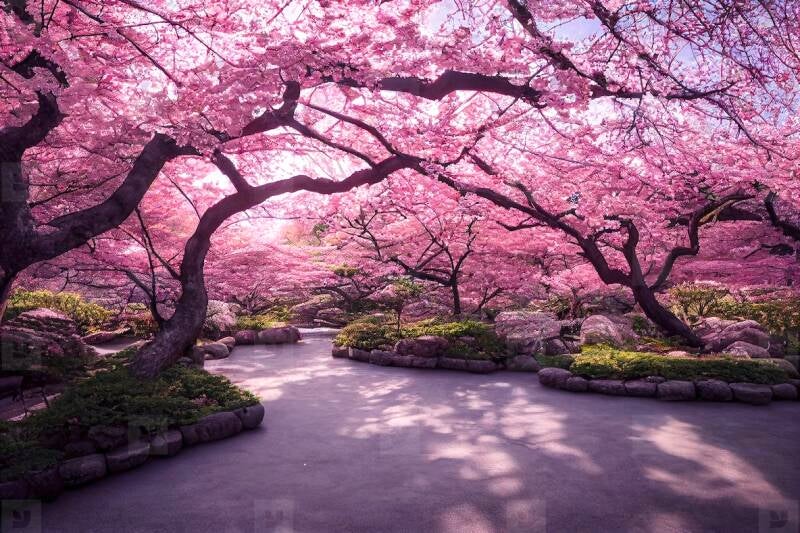
Sakura Tree Spiritual Significance
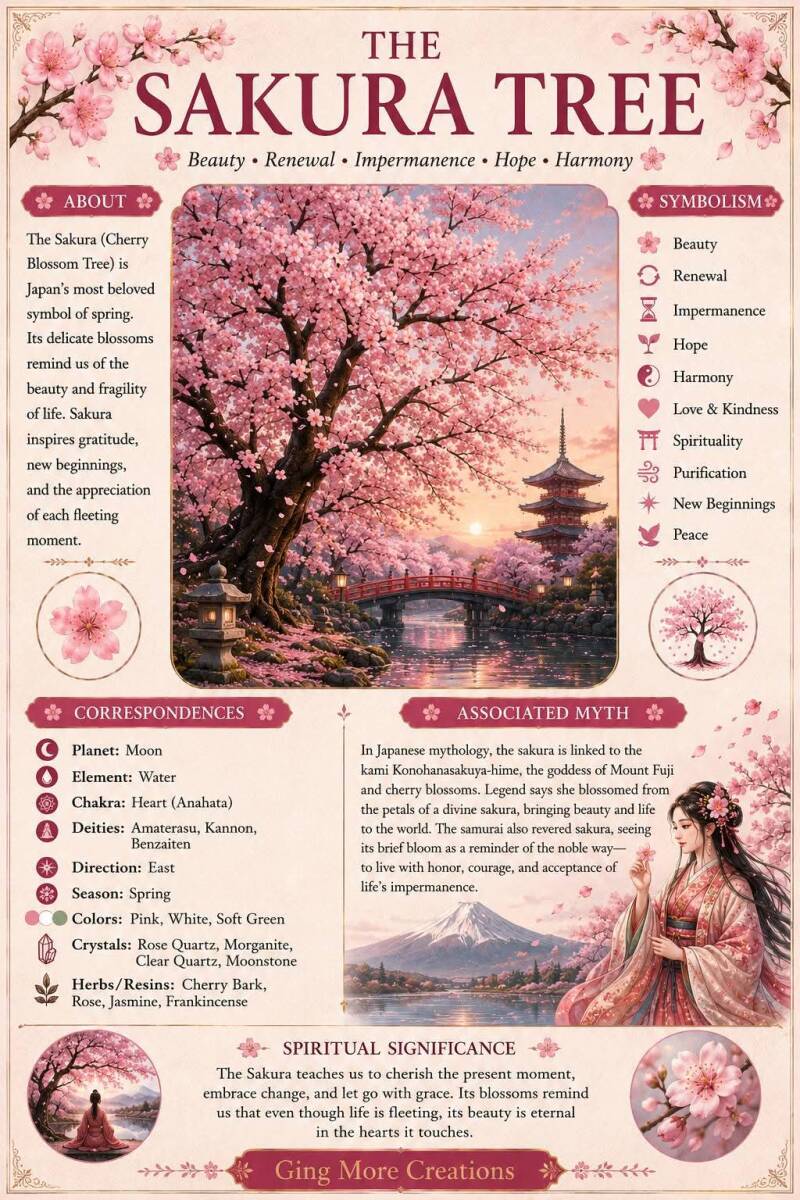
The sakura tree, or cherry blossom, holds deep spiritual significance in various cultures, particularly in Japan. It symbolizes rebirth, renewal, and the fleeting nature of life. The blossoms' short-lived bloom serves as a reminder of the impermanence of life, encouraging individuals to appreciate the present moment and cherish relationships. In Japanese culture, cherry blossoms are closely associated with the concept of mujo, or the transient nature of life, and are often used in rituals and art to convey messages of enlightenment and the beauty of the present moment. The falling petals of the sakura tree are seen as a metaphor for surrender, urging people to release what they cannot control and appreciate what they have. Additionally, cherry blossoms are linked to blessings and new beginnings, making them auspicious symbols for various life events.
Sakura, or cherry blossoms, hold profound symbolism that transcends their visual beauty. These delicate flowers are symbolic of return, renewal, rebirth, hope, and new beginnings, as they bloom at the onset of spring. Spiritually, some cultures perceive cherry blossoms as representations of ancestors and the cycle of life. They embody the fleeting nature of existence and serve as a poignant symbol of love.
Cultural Significance
In Japan, sakura blossoms are central to hanami, the tradition of viewing and celebrating flowers in spring. They symbolize the transient nature of life, renewal, and beauty. Cherry blossom festivals around the world, including the U.S., honor this cultural legacy with public plantings and events.
Sakura trees, or cherry blossoms, are iconic flowering trees prized for their stunning spring blooms and cultural significance, especially in Japan and worldwide gardening.
Overview
Sakura trees refer primarily to several species of cherry trees (Prunus spp.) that produce delicate pink or white flowers in spring. They are admired for their short but spectacular blooming period, which symbolizes beauty, renewal, and the fleeting nature of life.
Common Types
- Somei Yoshino (Prunus × yedoensis): The most famous variety in Japan, producing pale pink to nearly white flowers, often planted in urban parks.
- Shidarezakura (Weeping Cherry): Features drooping branches with cascading blossoms, creating a dramatic garden display.
- Kanzan (Prunus serrulata 'Kanzan'): Known for its deep pink, double-layered blossoms and vigorous growth.
- Prunus serrulata ‘Taihaku’ (Great White Cherry): Sports large, pure white blooms, prized for formal gardens.
Growing Conditions
- Climate: Sakura trees thrive in temperate climates with distinct seasons. While native to Japan, China, and Korea, they can grow in parts of the U.S., including Mississippi, given sufficient sunlight and moderate winters.
- Planting: Full sun and well-drained soil are ideal. Avoid areas prone to heavy waterlogging.
- Care: Regular watering during the first few years supports root establishment. Pruning after flowering helps maintain shape and encourages healthy blooms for the following season.
- Size: Trees vary from small ornamental types (~15–20 ft) to larger specimens exceeding 30 ft, depending on the variety.
Blooming Season
- Typically blossoms appear in early to mid-spring, with the exact timing depending on the local climate and tree variety. The flowers often last only 1–2 weeks, making them a highly anticipated and brief spectacle.
In summary, sakura trees are valued both ornamentally and culturally, offering stunning springtime displays and a reminder of nature’s fleeting beauty. For gardeners in Laurel, Mississippi, selecting varieties that tolerate local climate conditions and providing well-drained soil and sunlight will ensure healthy growth and impressive flowering.

Cedar Trees Spiritual
Cedar trees are not just majestic trees; they are imbued with spiritual significance across various cultures. They symbolize strength, protection, and purity, serving as a bridge to the divine. Cedar wood's essential oils are valued in aromatherapy for their calming effects and are often used in purification rituals. Integration in practices like meditation and rituals can enhance spiritual experiences, such as cleansing spaces or creating protective talismans. The majestic presence of cedar trees encourages personal growth and reflection, inspiring individuals to seek strength and resilience in their lives.
Cedar trees are widely regarded in spiritual traditions as symbols of protection, purification, healing, and connection to the divine.
Cedar has long been used for spiritual cleansing and protection in many cultures. Burning cedar wood or incense is believed to ward off negative energies and create sacred spaces for meditation or ritual practice. In indigenous North American traditions, cedar is often employed in smudging ceremonies to purify people, homes, and ceremonial tools, helping to cleanse both physical and spiritual environments.Healing and Longevity
Cedar trees symbolize healing, resilience, and long life due to their evergreen nature and ability to endure harsh conditions. Many spiritual practices incorporate cedar for medicinal or holistic purposes, and it is thought to bring mental clarity, emotional balance, and spiritual strength to those who work with it.Connection to the Divine and Prayer
In several religious contexts, cedar is associated with spiritual ascent and divine connection. For example, in biblical symbolism, the cedar of Lebanon is often mentioned as a noble and sacred tree, representing strength and closeness to God. People use cedar in altars, offerings, or as a symbol of prayers reaching the divine, reflecting its status as a tree of spiritual authority and sacred energy.Symbolism in Rituals and Meditation
Cedar branches or essential oils are frequently incorporated into rituals, meditation, and yoga practices. They are thought to enhance intuition, grounding, and protection while facilitating spiritual focus and clarity. Some traditions place cedar at entrances or sacred spaces to serve as a guardian and purifier of the environment.In summary, cedar trees carry rich spiritual meaning across cultures and religions, emphasizing protection, healing, purification, divine connection, and strength, making them central to both ceremonial practices and personal spiritual growth.
Cedar trees are evergreen conifers known for their aromatic wood, robust growth, and ecological significance.
Description and Characteristics
Cedar trees are members of the Pinaceae and Cupressaceae families, depending on the specific type, and are renowned for their tall, straight trunks, dense foliage, and needle-like or scale-like leaves. Most cedar species are evergreen, maintaining their foliage year-round. They produce woody cones that contain seeds, aiding in reproduction. The wood of cedar trees is aromatic, resistant to decay, and commonly used in furniture, shingles, and closets due to its natural insect-repellent properties.
Common Species
Several species are referred to as "cedar," including:
- Eastern Red Cedar (Juniperus virginiana): Native to eastern North America, including Mississippi, it produces reddish timber and is drought-tolerant. Often used for fence posts, cedar chests, and ornamental planting.
- Western Red Cedar (Thuja plicata): Native to the Pacific Northwest, noted for its large size, soft grain, and resistance to rot; widely used in outdoor construction.
- Atlas Cedar (Cedrus atlantica): Native to the Atlas Mountains of North Africa, it is valued as an ornamental tree for landscaping.
- Deodar Cedar (Cedrus deodara): Native to the Himalayas, it has graceful weeping branches and is often planted in parks and estates for aesthetic purposes.
Growth and Cultivation
Cedar trees generally prefer well-drained soils and full sunlight but can adapt to a variety of soil types. They grow slow to moderately fast, depending on the species, and can reach heights from 30 to over 200 feet, depending on maturity and species. Eastern Red Cedar especially thrives in the climate of the southeastern United States, including Mississippi, and tolerates poor soils and drought conditions.Cedar trees are also important for wildlife habitat, providing cover and food for birds and small mammals. Their dense foliage acts as a windbreak and erosion control in landscapes.
Uses and Benefits
- Timber and Wood Products: Furniture, closets, fence posts, shingles, and paneling.
- Aromatic and Medicinal: Cedarwood oil is used in aromatherapy and traditional medicine.
- Ornamental Planting: Landscaping, shade trees, and specimen planting.
- Ecological Importance: Wildlife shelter, erosion control, and soil enrichment through needle litter.
In summary, cedar trees are versatile evergreens valued for their durability, aroma, ecological contributions, and ornamental beauty, making them popular in both natural and landscaped environments throughout North America and globally.


Bodhi Trees Spiritual Significance
The Bodhi Tree, scientifically known as Ficus religiosa, holds a profound spiritual significance in Buddhism. It is the tree under which Siddhartha Gautama, the Buddha, attained enlightenment after meditating for 49 days. This event marked the beginning of his teachings, which later became the foundation of Buddhist philosophy. The Bodhi Tree symbolizes the journey of self-discovery, enlightenment, and the path to liberation from suffering. Its presence in Buddhist traditions serves as a reminder of the transformative power of meditation and mindfulness. The act of sitting under the Bodhi Tree is seen as a meditation practice, where one reflects on the path to liberation. In Buddhist symbolism, the Bodhi Tree is often depicted with a single branch, representing the singular path to enlightenment. The tree’s roots symbolize the interconnectedness of all beings, while its leaves represent the wisdom that grows from meditation. The Bodhi Tree is also associated with the Dharmachakra (Wheel of Dharma), which symbolizes the teachings of the Buddha. Together, they represent the complete path to spiritual awakening. Meditation under the Bodhi Tree is a powerful practice that connects the physical and spiritual realms. Many Buddhists believe that sitting under the tree enhances their meditation experience, as the tree itself is a living symbol of enlightenment. The act of meditation under the Bodhi Tree is seen as a way to align with the energy of the tree and deepen one’s spiritual practice. Some practitioners even carve their names on the tree’s bark, leaving a mark as a reminder of their journey. Despite its historical roots, the Bodhi Tree remains relevant in modern times.
Famous Bodhi Trees Around the World
- Bodh Gaya, India: The original Bodhi tree location. The current tree is a sapling descendant of the original.
- Anuradhapura, Sri Lanka: The Jaya Sri Maha Bodhi, a direct descendant of the Bodhi tree, planted in 288 BCE, and considered the oldest human-planted tree with a known planting date.
- Global Temples: Many Buddhist temples plant Bodhi tree saplings to honor the tradition and provide a place for meditation and teachings.
The Bodhi tree, a sacred fig (Ficus religiosa), is renowned as the tree under which Buddha attained enlightenment and is a symbol of wisdom and spiritual awakening.
Botanical Details
The Bodhi tree (Ficus religiosa) is a deciduous fig tree native to the Indian subcontinent. It can grow up to 30 meters in height and has a broad canopy with heart-shaped leaves that have a distinctive pointed tip. It produces small figs that are an important food source for birds and other wildlife. The tree thrives in warm climates and prefers full sunlight with well-drained soil.
Religious and Cultural Significance
The Bodhi tree holds immense religious importance in Buddhism, Hinduism, and Jainism. Most famously, Siddhartha Gautama, later known as Buddha, is said to have attained enlightenment while meditating under this tree in Bodh Gaya, India. As a result, the Bodhi tree is often a focal point for pilgrimage, meditation, and rituals, symbolizing inner awakening and the path to spiritual understanding.
Symbolism
The Bodhi tree represents enlightenment, wisdom, and the cycle of life. Its long lifespan and resilience signify spiritual growth and the enduring pursuit of truth. Leaves from the Bodhi tree are often used in artwork, religious icons, and ceremonies.
Care and Propagation
Bodhi trees can be grown from cuttings or saplings. They require sunlight, regular watering, and protection from harsh frost. In cultivation, they are often pruned to maintain shape and prevent disease, and they are considered a symbol of good fortune and spiritual blessing for homes or temples.In conclusion, the Bodhi tree is both a botanical species with unique physical characteristics and a powerful spiritual symbol worldwide, commemorated for the enlightenment of Buddha and representing wisdom, peace, and enduring spiritual growth.


Strength, longevity, and resilience
Sequoia Trees Spiritual Significance
Sequoia trees are deeply rooted in spiritual significance, symbolizing strength, longevity, and resilience. They are seen as living connections to the divine, embodying the harmony between earth and the heavens. These majestic giants are regarded as living connections to the divine, making them ideal places for meditation and spiritual introspection. Many believe that spending time near sequoias can help in expanding consciousness and finding inner peace.
Sequoias are also associated with ancestral connection and heritage, linking the past with the present in spiritual growth. They reflect continuous spiritual growth and expansion, reaching towards higher realms of consciousness. Additionally, sequoias are considered protectors and guardians, offering spiritual protection and a safe space for reflection and peace.
In ancient cultures, sequoias stood as powerful symbols of endurance, wisdom, and connection to the divine. Their deep roots mirrored the wisdom of ancestors, grounding communities in centuries-old traditions. The immense height of the sequoia, reaching towards the heavens, embodied humanity's eternal quest for higher knowledge and spiritual enlightenment. Tribes often gathered under its canopy, believing that the sequoia's branches could bridge the mortal domain with the divine.
The spiritual meaning of sequoias extends beyond their physical attributes, encompassing their role as protectors and guardians, offering spiritual protection and a safe space for reflection and peace.
Sequoia trees are massive, long-lived conifers renowned for being some of the tallest and largest trees in the world, native to the western United States, especially California.
Overview
Sequoia trees belong to the genus Sequoia and are part of the cypress family (Cupressaceae). The most famous species is the giant sequoia (Sequoiadendron giganteum), which is distinguished by its enormous trunk, impressive height, and remarkable longevity. Another related species is the coast redwood (Sequoia sempervirens), known primarily for its extraordinary height rather than trunk volume.
Physical Characteristics
Height and Size: Giant sequoias can reach over 300 feet (90 meters) tall, with trunk diameters exceeding 25 feet (7.5 meters) at their base. Coast redwoods can exceed 350 feet (107 meters) in height, making them the tallest trees on Earth.
Bark: They have thick, fibrous, reddish-brown bark that can be up to 3 feet thick, providing resistance to fire and pests.
Leaves: Needle-like and evergreen, allowing year-round photosynthesis.
Longevity and Growth
Sequoias are known for their exceptional lifespan, often living over 3,000 years. They grow slowly but continue to increase in girth for centuries. Fire plays a crucial ecological role by clearing competing vegetation and helping sequoia cones release seeds.
Habitat and Range
Giant Sequoias primarily grow in the Sierra Nevada mountains of California, in groves at elevations of about 5,000 to 7,000 feet (1,500–2,100 meters).
Coast Redwoods are found along the foggy, temperate coastal regions of northern California and southern Oregon.
They require well-drained soils, adequate moisture, and a climate that supports moderate precipitation.
Ecological and Human Significance
Sequoias provide habitat for diverse wildlife and contribute to carbon sequestration due to their massive biomass.
They are major tourist attractions in national parks such as Sequoia National Park and Redwood National Park in California.
Their wood is highly resistant to decay, but giant sequoia logging is limited primarily due to conservation efforts.
Fun Facts
The General Sherman Tree, a giant sequoia, is considered the largest single-stem tree by volume in the world.
Ancient sequoias have survived countless forest fires, droughts, and environmental changes, making them symbols of resilience.
In summary, sequoia trees are awe-inspiring natural giants known for their size, age, and ecological importance, and they stand as iconic features of the American landscape.

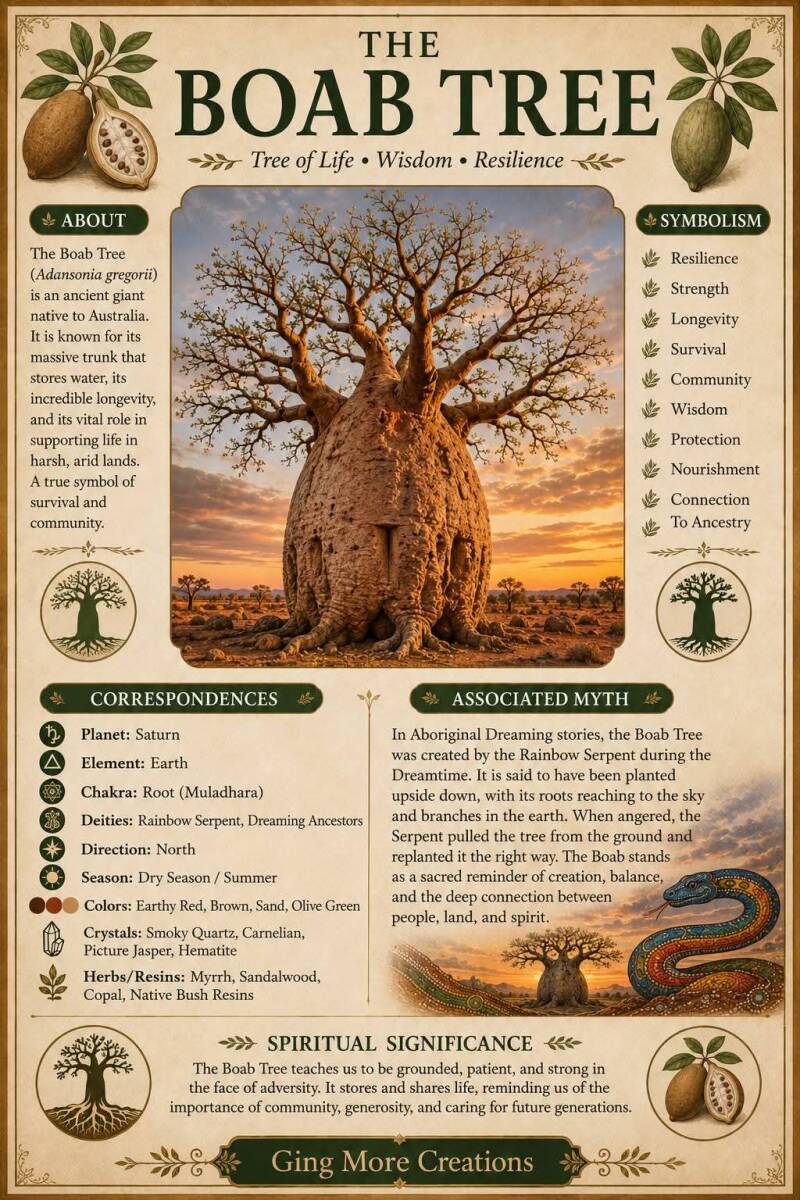
Baobab Tree Spiritual Significance
The baobab tree, often referred to as the "Tree of Life," holds profound spiritual significance across various cultures. It symbolizes resilience, strength, and longevity, serving as an inspiration to overcome challenges. Many communities view the baobab as a sacred link to ancestors, celebrating rituals that foster a sense of belonging and connection to heritage. The tree is associated with spiritual protection and healing, where offerings placed at its base are believed to invite blessings and promote emotional well-being. The baobab's spiritual meaning varies by region, with different cultures interpreting it as a symbol of hope, wisdom, or the cycle of life. Engaging with the baobab through meditation and reflection can enhance emotional balance and inspire personal transformation, making it a powerful symbol in one’s spiritual journey.
The baobab tree, often called the “Tree of Life,” symbolizes resilience, strength, wisdom, and a deep connection to ancestors, serving as a powerful spiritual and cultural icon.
Symbol of Resilience, Strength, and Survival
The baobab tree thrives in harsh and arid conditions, with the capacity to store large amounts of water in its trunk, survive drought, and live for thousands of years
. Spiritually, this ability makes it a symbol of endurance, adaptability, and personal resilience, encouraging individuals to face adversity with patience and fortitude. Its thick, sturdy trunk and expansive root system also represent stability and inner strength, reminding us to remain grounded during life’s challenges
.
Connection to Ancestors and Spiritual Protection
In many African cultures, the baobab is revered as a sacred link to ancestral spirits. Communities often perform rituals at its base, making offerings or prayers to honor lineage, seek guidance, or receive blessings
. Hollow trunks or sacred groves around baobabs are sometimes considered portals for spiritual communication, emphasizing the tree's role as a bridge between the living and the spiritual realm
.
Wisdom, Longevity, and Knowledge
The incredible longevity of the baobab positions it as a symbol of ancient wisdom and knowledge. Many traditions view it as a repository of ancestral experience, encouraging respect for history and tradition while serving as a guide for decision-making and life lessons
. Its capacity to endure and support life across centuries is viewed metaphorically as the accumulation of wisdom and insight through time.
Community, Togetherness, and Spiritual Significance
Baobabs often function as gathering spaces for community events, storytelling, and rituals, representing unity, cooperation, and the strength of communal bonds
. Sharing of its fruit, shade, and shelter reinforces themes of generosity, mutual support, and spiritual nurturing.
Cycle of Life, Rebirth, and Healing
The baobab also embodies the cycle of life and renewal. During dry seasons, it may appear lifeless, shedding leaves, only to flourish again with rains, symbolizing rebirth, hope, and spiritual rejuvenation
TheReadingTub
. Its fruit, leaves, and bark not only provide medicinal and nutritional sustenance, but are also seen as tokens of healing, abundance, and protection, linking physical well-being with spiritual growth
Summary of Core Spiritual Meanings
Resilience and perseverance in adversity
Strength and stability both physical and spiritual
Connection to ancestors and ancestral wisdom
Longevity and accumulation of knowledge
Community, unity, and togetherness
Healing, abundance, and renewal reflecting the cycle of life
Spiritual protection and sacredness, acting as a medium for divine guidance
Engaging with or reflecting on the baobab tree—through meditation, visualization, or learning its cultural stories—can inspire personal transformation, emotional resilience, and a deeper sense of spiritual connection. It serves as a potent symbol and reminder that enduring hardships, cultivating wisdom, and fostering community are essential aspects of a thriving and meaningful life.
Boab Tree
The boab tree, scientifically known as Adansonia gregorii, is a unique tree endemic to the northern regions of Western Australia and the Northern Territory of Australia. It is celebrated for its distinctive bottle-shaped trunk, which serves as both a support structure and a water reservoir. The tree can grow from sea level to about 300 m (980 ft) in altitude and is often found in open forest and rocky areas. The boab tree is celebrated in the end credits of the 2008 film "Australia" with the song "By the Boab Tree," a song nominated for a 2008 Satellite Award.
The Boab tree, native to parts of Australia, is a large, distinctive tree known for its swollen trunk, longevity, and cultural significance.
Botanical Characteristics
The Boab tree (genus Adansonia, species Adansonia gregorii in Australia) is a deciduous tree with a massive, bottle-shaped trunk that stores water, allowing it to survive long dry periods. The tree can reach heights of 5 to 15 meters and trunk diameters of up to 10 meters, giving it a very striking appearance. Its bark is smooth and grayish, and its leaves are typically palmate with several lobes. Boab trees flower during the summer, producing large, creamy-white flowers that open at night and are often pollinated by bats and insects.
Habitat and Distribution
Boabs are endemic to the Kimberley region of Western Australia and parts of the Northern Territory. They thrive in tropical savanna climates and are often found in rocky areas, floodplains, and along watercourses, where they benefit from seasonal rainfall yet can withstand long dry spells due to their water-storing trunks.
Cultural and Historical Significance
The Boab tree holds great cultural importance for Indigenous Australian peoples, who use it for food, medicine, and tools. The seeds, roots, and bark have been traditionally used, and some large, hollow Boabs were historically used as shelters, storage, or even prisons during colonial times. They are often featured in Aboriginal art and storytelling, symbolizing resilience and the connection between people and the land.
Ecology and Longevity
Boabs are long-lived trees, with some estimated to be over a thousand years old. They provide crucial habitat for wildlife, offering shelter for birds, bats, and insects. Their fruit contains seeds rich in nutrients and can serve as an emergency food source for both humans and animals.
Notable Features
Water storage: The trunk acts as a natural reservoir during dry seasons.
Distinctive silhouette: Its swollen trunk and sparse crown make it immediately recognizable.
Cultural landmarks: Certain Boabs are famous landmarks, such as the Admiral’s Boab and Boab Prison Tree near Derby, Western Australia.
Boabs are admired both for their ecological role in drought-prone regions and their unique cultural and historical significance, making them an iconic species of the Australian landscape.


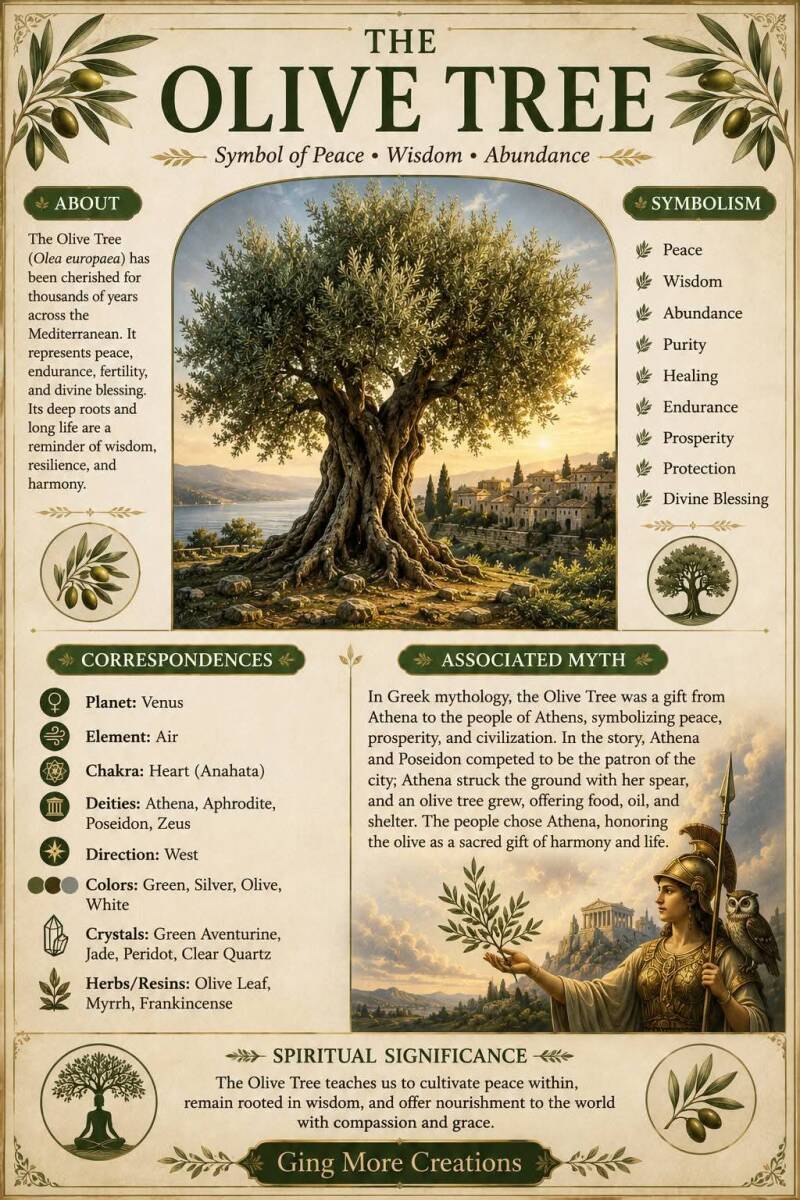
The olive tree is widely regarded as a symbol of peace, wisdom, spiritual growth, and longevity, carrying profound spiritual and cultural significance across various traditions.
Symbol of Peace and Reconciliation
The olive branch has long symbolized peace and the end of conflict, a connection found in biblical texts such as the story of Noah’s Ark, where a dove brought back an olive leaf signaling the flood’s end and the restoration of harmony between God and humanity. In broader spiritual contexts, the olive tree embodies reconciliation and hope, representing the desire for inner calm and resolution of conflicts.
Wisdom and Spiritual Enlightenment
The olive tree is also associated with wisdom, spiritual insight, and divine guidance. Its slow growth and long lifespan have made it a symbol of patience and the steady pursuit of spiritual development. In ancient cultures like Greece, olive trees were sacred to Athena, the goddess of wisdom, further connecting the tree to knowledge, clarity, and enlightened decision-making.
Longevity and Resilience
Olive trees are famous for their durability and longevity, often living for hundreds or even thousands of years. Spiritually, this resilience symbolizes endurance, stability, and grounding, reminding individuals to remain steadfast and enduring through life's challenges while nurturing spiritual roots.
Healing and Protection
Many traditions hold that the olive tree carries healing and protective energy. Olive oil, derived from the tree, has been used for anointing, blessings, and purification rituals, symbolizing divine care, cleansing, and spiritual protection.
Balance and Abundance
The olive tree also reflects balance and nourishment, representing both material and spiritual sustenance. Its fruit and oil provide essential nourishment, which parallels the idea of cultivating inner sustenance, harmony, and an abundant spiritual life.
In summary, the olive tree spiritually embodies peace, wisdom, spiritual endurance, healing, and balance, making it a powerful and multifaceted symbol in religious, cultural, and spiritual traditions. Its imagery often inspires reflection on patience, resilience, and the pursuit of harmony in life.
Olive trees are hardy, evergreen trees prized for their fruit and oil, thriving best in Mediterranean climates but requiring careful care outside their native region.
Description and Characteristics
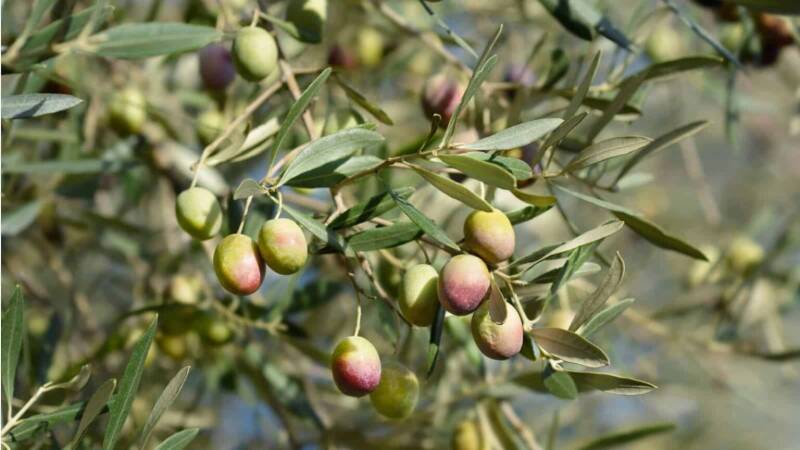
Olive trees (Olea europaea) are evergreen trees or large shrubs that can live for several centuries. They typically have a twisted, gnarled trunk with silvery-green leaves and produce small white flowers followed by olive fruits, which vary in color from green to dark purple when ripe. Olive trees are drought-tolerant and slow-growing, reaching heights of 20–30 feet depending on cultivation and pruning practices.
Climate and Soil Requirements
Olive trees naturally thrive in Mediterranean climates with hot, dry summers and mild, wet winters. They prefer:
Full sun exposure for at least 6–8 hours daily.
Well-drained soil with a neutral to slightly alkaline pH; sandy or loamy soils are ideal.
Minimal frost exposure, as temperatures below 15°F can damage or kill young trees.
In regions like Laurel, Mississippi, winters are generally mild but can occasionally have cold snaps; proper care, planting in a sheltered location, or using frost protection will help the tree survive outside its native climate.
Planting and Care
Spacing: Plant olive trees at least 15–20 feet apart to allow for growth and airflow.
Watering: Young trees require regular watering until established; mature trees are drought-tolerant but benefit from deep watering during prolonged dry periods.
Fertilization: Apply balanced fertilizer in early spring; avoid excessive nitrogen which can reduce fruiting.
Pruning: Prune annually to remove dead or crossing branches and maintain shape or facilitate harvesting.
Pests and Diseases: Watch for olive fruit flies, scale insects, and fungal pathogens like verticillium wilt. Use integrated pest management practices to minimize damage.
Fruit Production and Uses
Olive trees typically begin producing fruit at 3–5 years old, reaching full productivity around 7–10 years. Fruits can be consumed fresh, cured, or processed into olive oil, one of the key products for which these trees are cultivated. Olive oil is valued for its culinary uses and health benefits, being rich in monounsaturated fats and antioxidants.
Key Tips for Growing in Non-Mediterranean Regions
Choose cold-hardy cultivars, such as ‘Arbequina,’ ‘Koroneiki,’ or ‘Mission.’
Use containers for young trees to move indoors during extreme cold.
Plant in a sunny, protected location to maximize heat accumulation and reduce frost damage.
Mulching around the root zone can retain soil warmth and moisture.
Overall, olive trees are resilient and long-lived, but successful cultivation outside traditional Mediterranean regions like Laurel, Mississippi, requires attention to climate adaptation, site selection, watering, and frost protection. With proper care, they can provide a beautiful landscape feature and a rich harvest of olives and oil.
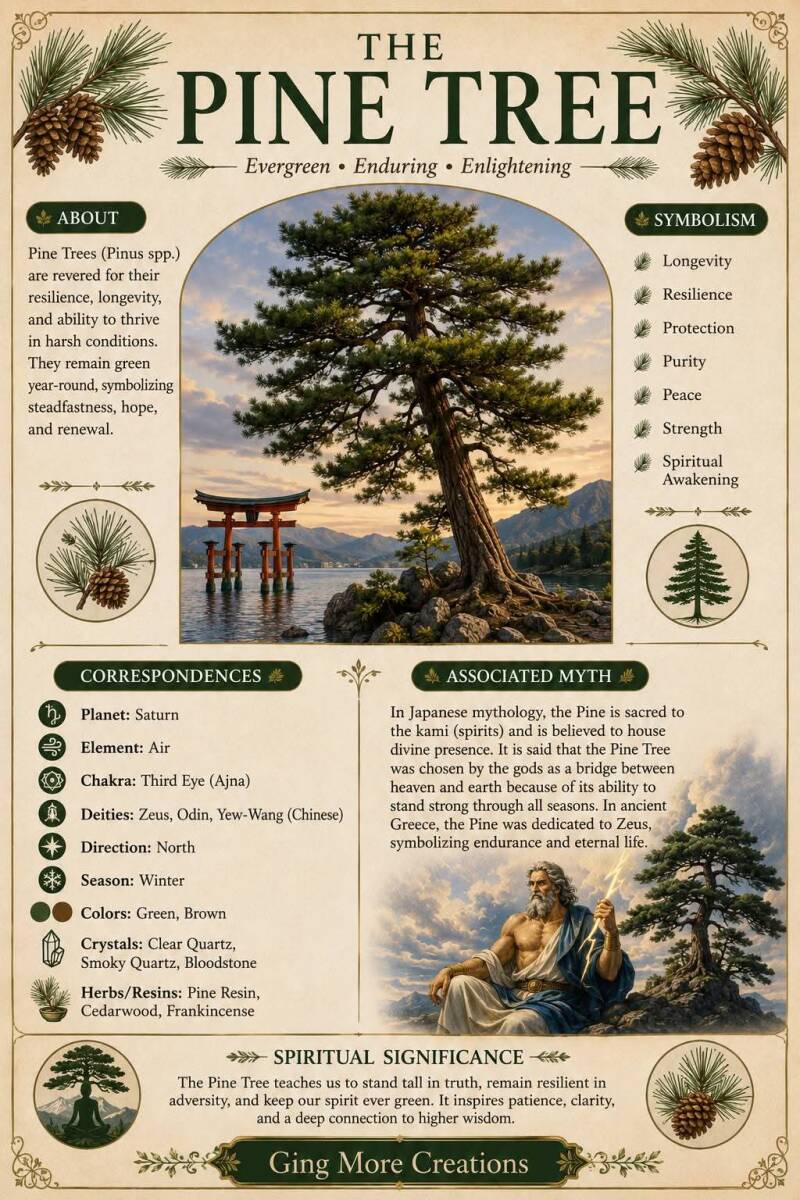
Pine trees symbolize longevity, resilience, spiritual enlightenment, and protection, reflecting their evergreen nature and enduring presence across seasons.
Symbolism of Longevity and Immortality
Because pine trees are evergreen, they remain vibrant throughout the year, even in harsh winter conditions. Spiritually, this quality represents eternal life, immortality, and enduring spirit, often reminding individuals of persistence through challenges and the continuity of life. In many traditions, including Asian cultures, pine trees are a symbol of longevity and steadfastness
.
Spiritual Growth and Enlightenment
Pine trees grow tall and straight, reaching toward the sky, which symbolizes aspiration, spiritual growth, and connection to higher consciousness. Their upward-reaching branches can serve as a metaphor for striving toward personal or spiritual enlightenment, emphasizing patience, diligence, and personal development
.
Protection and Healing
Pine trees are also associated with protection and purification. Some spiritual practices use pine needles, pine resin, or essential oils for cleansing spaces, warding off negative energies, and promoting healing. The strong and resilient nature of pines embodies the idea of spiritual safeguarding, encouraging strength against adversity
Cultural and Symbolic Interpretations
Eastern traditions: In Chinese and Japanese symbolism, pine trees represent longevity, virtue, and endurance through adversity, often paired with bamboo and plum as symbols of lasting strength
Native American traditions: Pine trees are seen as sacred guardians, symbolizing wisdom, resilience, and the interconnectedness of life. They are used in rituals for guidance and spiritual insight
Western symbolism: Pines can represent growth, renewal, and eternal life in Christian and European folkloric contexts, reflecting their evergreen attributes
Personal Spiritual Connection
On an individual level, observing or meditating near a pine tree can inspire inner calm, resilience, and clarity of purpose. It acts as a reminder to stay rooted like the tree while reaching higher in personal and spiritual growth, encouraging both grounding and aspiration in daily life.
In summary, pine trees are spiritual symbols of enduring strength, protection, longevity, and enlightenment, offering guidance for personal resilience, spiritual journey, and connection to the natural and divine world
Pine trees are evergreen conifers known for their needle-like leaves, woody cones, and ecological and economic importance.
Overview and Characteristics
Pine trees belong to the genus Pinus in the family Pinaceae. They are primarily evergreen, meaning they retain their needles throughout the year, which are typically long, slender, and grouped in bundles called fascicles. Pine trees produce seeds enclosed in cones—female cones are larger and woody, while male cones are smaller and produce pollen
Coniferous Forest
.
Pines vary widely in size, from small shrubs to tall trees reaching over 200 feet. Their bark can be thick and scaly or thin and flaky, depending on the species, serving as protection against pests, fires, and weather.
Common Species in Mississippi
In Mississippi, several pine species are prevalent, including:
Loblolly Pine (Pinus taeda): Fast-growing and commonly used for timber and pulpwood
Longleaf Pine (Pinus palustris): Known for its fire resistance and long needles; important in restoring native ecosystems
Slash Pine (Pinus elliottii): Grows well in wet lowlands and is used in plantations and lumber production
Shortleaf Pine (Pinus echinata): Tolerates a variety of soils; historically significant in southern forestry
Ecological Significance
Pine trees play a crucial ecological role. They provide habitat and food for wildlife, including birds, mammals, and insects. Pine needles contribute to soil fertility when they decompose, and pine forests reduce soil erosion and support water retention. Certain species, like longleaf pines, are keystone species in native ecosystems, maintaining biodiversity
Coniferous Forest
Economic and Practical Uses
Pines are widely valued for timber, pulpwood, and resin production. Pine wood is used in construction, paper products, furniture, and decorative items. Pine oils and extracts are used in cleaning products, aromatherapy, and pharmaceuticals. Additionally, pine trees are popular in landscaping and as Christmas trees in certain species
Growth and Care
Pines generally require well-drained soils and full sunlight to thrive. They can tolerate some drought and cold depending on the species. Many pines are fire-adapted, with thick bark and self-pruning lower branches to protect against occasional wildfires. In landscaping, regular monitoring for pests and disease, such as pine beetles or needle blight, helps maintain healthy trees.
In summary, pine trees are versatile, ecologically important conifers with a wide range of species in Mississippi, serving both environmental and economic functions. They are a resilient part of many forest ecosystems and landscapes


The banyan tree symbolizes immortality, wisdom, and spiritual growth across many cultures, serving as a sacred and protective force in Hinduism, Buddhism, and folklore.
Symbol of Immortality and Longevity
The banyan tree is renowned for its expansive growth and longevity. Its aerial roots, which grow downward and develop into new trunks, allow the tree to live for centuries. This capacity for ongoing growth symbolizes immortality, continuity, and eternal life, reflecting the idea that life persists and regenerates over time. In spiritual contexts, this endurance conveys the steadfastness of the soul and the eternal cycle of life, death, and rebirth.
Connection to Hinduism and Buddhism
In Hinduism, the banyan tree is considered sacred and associated with Lord Vishnu and Lord Shiva, representing the unending support of the divine. It is often used as a site for meditation, prayer, and religious gatherings. The tree’s shade provides a natural sanctuary, symbolizing protection, divine wisdom, and enlightenment. The term “Ashvattha” in Hindu texts refers to the banyan or the sacred fig, which is mentioned in the Bhagavad Gita as a representation of the eternal and imperishable reality underlying the universe.In Buddhism, the banyan tree’s expansive branches are reflective of the Bodhi tree, under which Siddhartha Gautama attained enlightenment. It symbolizes spiritual awakening, nurturing awareness and inner peace.
Symbolic Associations
- Wisdom and Knowledge: The banyan tree’s sprawling structure has been seen as a metaphor for the interconnectedness of all knowledge and experience, representing cosmic wisdom and insight.
- Shelter and Protection: With its wide canopy, it offers refuge to humans and animals alike, symbolizing care, community, and nurturing.
- Spiritual Growth and Connection: The banyan tree’s ability to grow new roots and trunks symbolizes growth, expansion of consciousness, and interconnectedness with the divine.
Folklore and Cultural Significance
Across India, Southeast Asia, and some African traditions, the banyan tree is considered a guardian of spirits and a site for meditation or offerings. People often circumambulate the tree or hold ceremonies around it, emphasizing its role in bridging the physical and spiritual worlds.In summary, the banyan tree holds deep spiritual meaning as a symbol of immortality, wisdom, protection, and spiritual enlightenment, revered for its ability to inspire connection with the eternal and with higher consciousness. Its cultural and religious significance continues to make it a sacred and contemplative presence in many spiritual traditions.
Cultural and Religious Significance
The banyan tree holds profound cultural and religious importance, particularly in Hinduism and Buddhism. In India, it is considered sacred and is the national tree. It is associated with gods such as Vishnu and Brahma, symbolizing longevity, immortality, and wisdom
. Banyans have historically served as social gathering spots, sheltered meeting areas, and the site of rituals and festivals. For example, the Hindu festival Vat Purnima involves tying threads around a banyan tree for marital well-being
The banyan tree, a remarkable fig species, is distinguished by its aerial prop roots, massive canopy, and ecological, cultural, and medicinal significance, making it a symbol of longevity and resilience.
Physical Characteristics
The banyan tree (Ficus benghalensis) can grow to a height of up to 30 meters (100 feet) and spreads laterally indefinitely, thanks to its aerial prop roots that descend from branches and take root, forming supplementary trunks
. These trunks can eventually become thick and woody, supporting a sprawling canopy that may cover several acres. Leaves are large, leathery, glossy, and elliptical, while the tree produces small, edible figs that serve as an essential food source for birds and other animals
. Young leaves often exhibit a reddish tinge, and mature aerial roots can create a dense network resembling a grove of interconnected trees.
Growth Habit
Banyans start life as epiphytes, with seeds deposited by birds or other animals on host trees, cracks, or man-made structures
. The seedlings grow roots downward, eventually enveloping and sometimes killing the host tree in a growth pattern called the "strangler" habit
. Over centuries, banyans expand outward, sometimes creating the appearance of a "walking tree" due to the formation of multiple prop roots and trunks
.
Natural Habitat
Native to India and the sub-Himalayan region, banyans thrive in tropical and subtropical climates with warm temperatures and high humidity
. They are sensitive to frost and require USDA hardiness zones 10–12 for outdoor growth. Through cultivation and natural dispersal, banyans have spread to tropical regions worldwide, including Florida, Hawaii, parts of Africa, and various Pacific islands
Medicinal Uses
Banyan trees have been used in Ayurveda for centuries. Their bark, roots, and latex possess anti-inflammatory, antimicrobial, digestive, and wound-healing properties
. The bark decoction is used to reduce swelling or aid gastrointestinal conditions, while the latex serves topically to treat minor wounds.
Notable Banyan Trees
Great Banyan Tree, Kolkata, India: Over 2,880 supplementary trunks, covering 3.5–4.5 acres
Thimmamma Marrimanu, Andhra Pradesh, India: Canopy spans nearly five acres with about 4,000 prop roots
Lahaina Banyan, Maui, Hawaii: Planted in 1873, currently recovering from the 2023 wildfires; historically a central community gathering area
Environmental Importance
Banyans provide shade, create microclimates, stabilize soil, prevent erosion, and support diverse ecosystems by offering food and shelter to birds, bats, insects, and primates
. Pollination relies on a unique fig wasp mutualism, and frugivorous animals disperse seeds, maintaining the species' ecological role.
Cultivation Tips
Banyan trees require ample space, warm wet climates, and well-drained soil. Young trees need regular watering, while mature trees are more drought-tolerant. Indoor or container growth is possible in cooler regions, but height and canopy spread are limited, making species like Ficus microcarpa suitable for bonsai or ornamental growth
In summary, the banyan tree is a biologically unique, culturally revered, and ecologically vital species whose sprawling structure and long lifespan make it both a natural wonder and a symbol of endurance and interconnectedness.