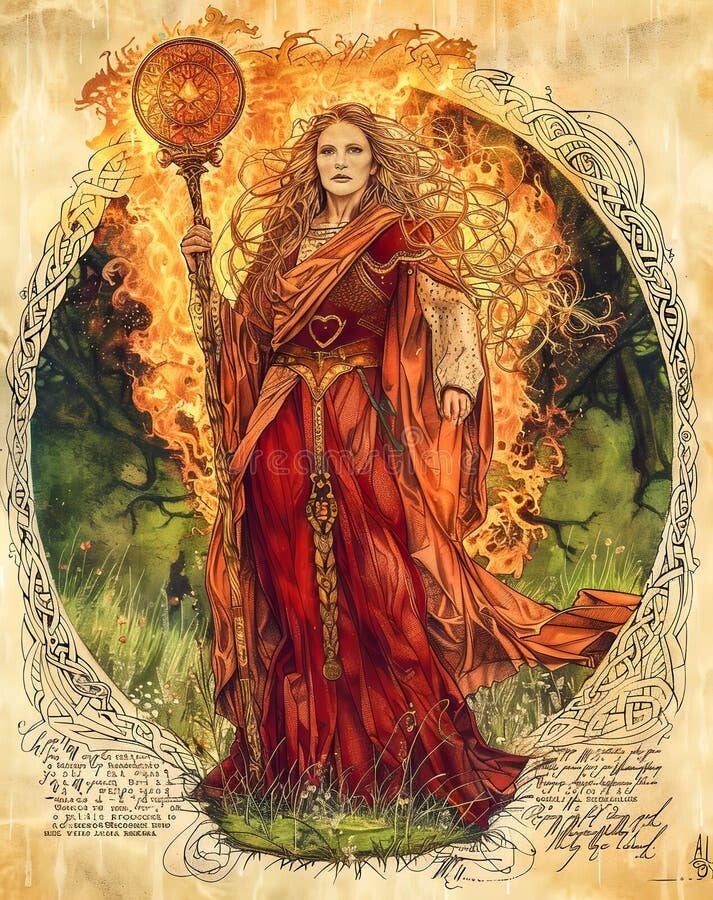
Imbolc Correspondence

Embracing the awakening: A guide to Imbolc

Discover the magic of Imbolc, a sacred time of purification and new beginnings. Journey with us through ancient traditions and modern practices as we welcome the subtle stirrings of spring.

What is Imbolc? The gentle turning of the wheel

Imbolc, celebrated around February 1st or 2nd, marks the midpoint between the winter solstice (Yule) and the spring equinox (Ostara). It's a time when the first signs of spring emerge, even as winter's chill lingers. This cross-quarter holiday is deeply connected to themes of purification, new beginnings, and the quickening of life after the dormancy of winter. For many, it's a celebration of Brigid, the Celtic goddess of poetry, healing, smithcraft, and sacred flame. We invite both beginners and experienced practitioners to explore the rich tapestry of Imbolc.

Traditions and celebrations: Lighting the inner flame

Imbolc traditions often center around light, cleansing, and preparation for growth. Many light candles to symbolize the returning sun and honor Brigid's flame. Spring cleaning, both physical and spiritual, is a common practice, clearing out the old to make space for the new. Seed sowing, even if only symbolically indoors, connects us to the agricultural cycle and future harvests. We find deep meaning in these practices, as they help us align with the natural rhythm of the earth and foster a sense of renewal within ourselves.

Embracing personal renewal: Your Imbolc journey

For us at The Altered Goddess, Imbolc is a deeply personal time for reflection, purification, and setting intentions. It's about recognizing the subtle shifts in energy, both within and without, and preparing our own inner landscape for the fertile season ahead. We encourage everyone to find their own meaningful ways to observe this sabbat. Whether it's through meditation, creating a Brigid's cross, or simply taking a moment to appreciate the quiet promise of spring, Imbolc offers a powerful opportunity for personal growth and spiritual connection.

Imbolc Correspondence

A lesser known pagan holiday, Imbolc falls exactly halfway between the Winter Solstice (Yule) and the Spring Equinox (Ostara). Daylight is increasing and spring is the air. While too early for planting gardens, Imbolc was a time to start thinking about what you wanted to plant and harvest in the coming year. In modern day living Imbolc and the quiet weeks post holiday season is a great time to reflect and think about where you want to go in the coming months.

Imbolc Correspondences

February 1, 2
Other Names: Imbolg (im-molc)(em-bowl’g) (Celtic), Candlemas (Christian), Brigantia (Caledonii), Oimelc, Festival of Light, Brigid’s (Brid, Bride) Day, La Fheill, An Fheille Bride, Candelaria (Mexico), Chinese New Year, Disting-tid (Feb 14th, Teutonic), DisaBlot, Anagantios, Lupercalia/Lupercus (Strega), Groundhog Day, Valentines Day.

Animals & Mythical Beings: Firebird, dragon, groundhog, deer, burrowing animals, ewes, robin, sheep, lamb, other creatures waking from hibernation.

Gemstones: Amethyst, garnet, onyx, turquoise.
Incense/Oil: Jasmine, rosemary, frankincense, cinnamon, neroli, musk, olive, sweet pea, basil, myrrh, and wisteria, apricot, carnation.
Colors/Candles: Brown, pink, red, orange, white, lavender, pale yellow, silver.
Tools,Symbols, & Decorations: White flowers, marigolds, plum blossoms, daffodils, Brigid wheel, Brigid’s cross, candles, grain/seed for blessing, red candle in a cauldron full of earth, doll, Bride’s Bed; the Bride, broom, milk, birchwood, snowflakes, snow in a crystal container,evergreens, homemade besom of dried broom, orange candle annointed in oil (see above)can be used to sybolize the renewing energy of the Sun’s rebirth.
Goddesses: Virgin Goddess, Venus, Diana, Februa, Maiden, Child Goddess, Aradia, Athena, Inanna, Vesta, Gaia, Brigid, Selene(Greek), Branwen(Manx-Welsh).
Gods: Young Sun Gods, Pan, Cupid/Eros(Greco-Roman), Dumuzi(Sumerian).
Essence: Conception, initiation, insight, inspiration, creativity, mirth, renewal, dedication, breath of life, life-path, wise counsel, plan, prepare.
Meaning: First stirring of Mother Earth, lambing, growth of the Sun God, the middle of winter.
Purpose: Honoring the Virgin Goddess, festival of the Maiden/Light.
Rituals & Magicks: Cleansing; purification, renewal, creative inspiration, purification, initiation, candle work, house & temple blessings, welcoming Brigid, feast of milk & bread.
Customs: Lighting candles, seeking omens of Spring, storytelling, cleaning house, bonfires, indoor planting, stone collecting, candle kept burning dusk till dawn; hearth re-lighting.
Foods: Dairy, spicy foods, raisins, pumpkin, sesame & sunflower seeds, poppyseed bread/cake, honey cake, pancakes, waffles, herbal tea.
Herbs: Angelica, basil, bay, benzoin, celandine, clover, heather, myrrh, all yellow flowers, willow.
Element: Earth
Gender: Female
Threshold: Midnight

Resources:

Cunningham’s Encyclopedia of Magical Herbs by Scott Cunningham

Circle Round: Raising Children in Goddess Tradition by Starhawk

My personal Book of Shadows

Rituals: Mabon

SetupItems for this ritual include: Two brown or yellow candles for the altar; Chalice; A basket of apples; enough for the circle boundary (they need not touch each other); Three additional apples; A sharp knife to cut the apples; Several gourds; Blackberry wine or juice; A small bowl of hazelnuts; Vines (real or from a craft store) to decorate your altar (optional); Drum (optional).

Read more »

Rituals: Litha/ Summer Solstice

Whether you’re practicing alone or with your coven, Litha calls for something joyful, golden and alive. This isn’t the time for subtlety — it’s the sun’s main act. So light a flame, crown your head in flowers, and step into your strength. Midsummer has long been considered one of the most powerful times of the year for magic. 

Read more »

Rituals: Yule

Yule/Winter Solstice is celebrated December 19 - 23 for Northern Hemisphere and June 19 -23 for Southern Hemisphere. The Sun (in the Northern Hemisphere), at it's low time, the shortest day, longest night. A celebration known as Yule, Winter Solstice and even called Christmas. The cold and dark are celebrated as the Sun slowly begins to return.

Read more »