The Elements
Discovering the sacred elements
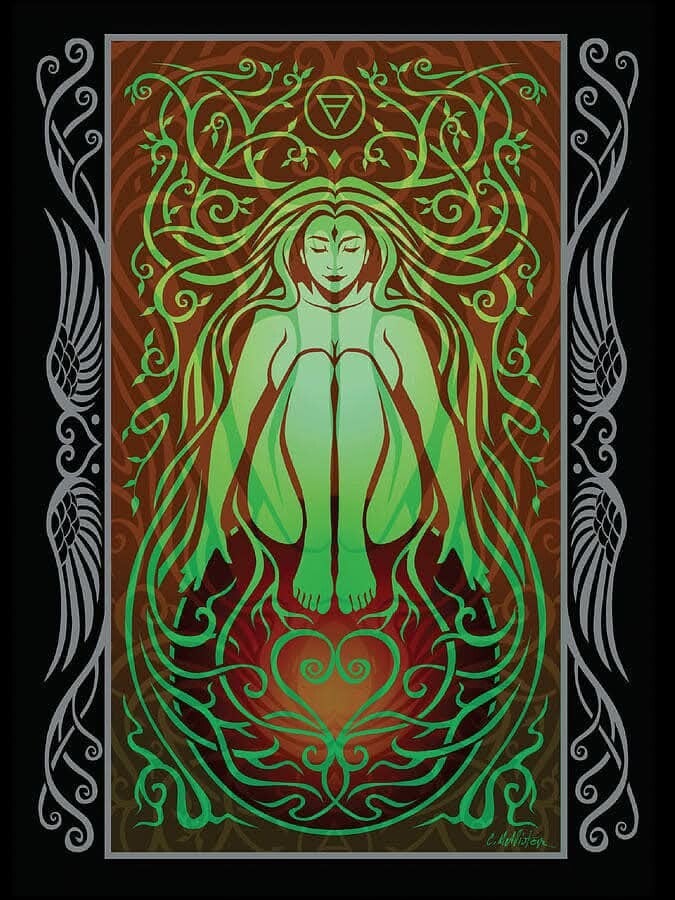
Welcome to a journey inward, exploring the fundamental forces that shape our world and ourselves. The elements—earth, air, fire, water, and spirit—offer profound insights into our inner workings and the universe around us. Here, we'll uncover their ancient wisdom and how you can harness their power for personal transformation.
The essence of earth
Feel the grounding energy of the earth element. It embodies stability, foundation, growth, and abundance. Connecting with earth helps us stay rooted, fostering a sense of security and practicality. Learn how to cultivate a stronger connection to this nurturing force and build a solid base for your spiritual and material life.
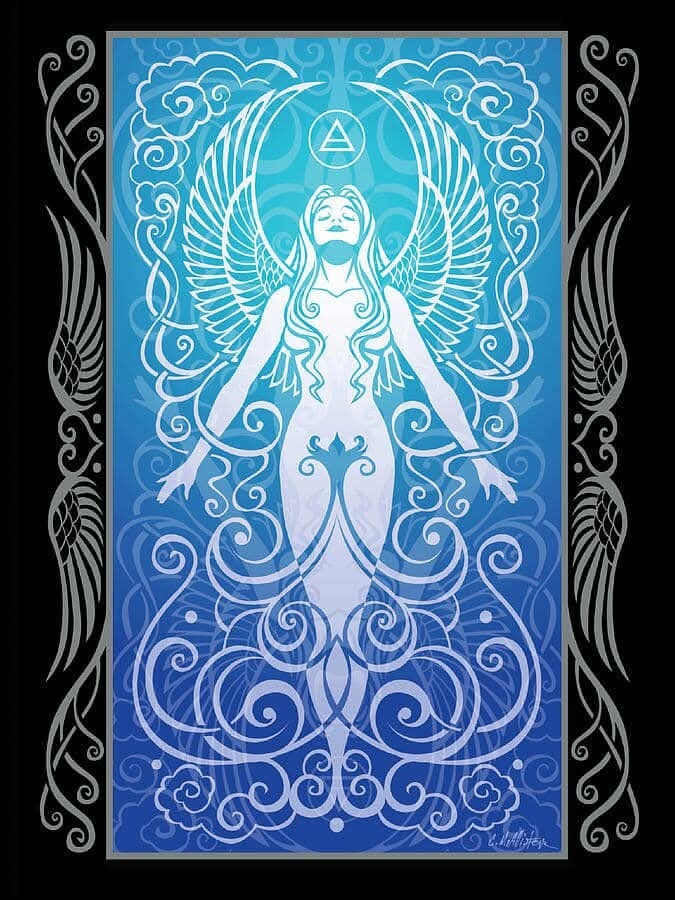
The breath of air
Embrace the expansive nature of the air element. It represents intellect, communication, freedom, and inspiration. Air guides our thoughts, words, and creative endeavors. Discover practices to enhance clarity, improve communication, and invite fresh perspectives into your life by aligning with the element of air.

The spark of fire
Ignite your inner fire with the powerful element of transformation. Fire signifies passion, energy, willpower, and purification. It fuels our motivation and helps us release what no longer serves us. Learn how to responsibly work with the dynamic energy of fire to manifest your desires and empower your spirit.

The flow of water
Dive into the depths of the water element, the realm of emotions, intuition, and healing. Water encourages flexibility, empathy, and purification. It connects us to our subconscious and the flow of life itself. Discover ways to balance your emotional landscape and tap into your intuitive wisdom with the guidance of water.
The Unifying Spirit
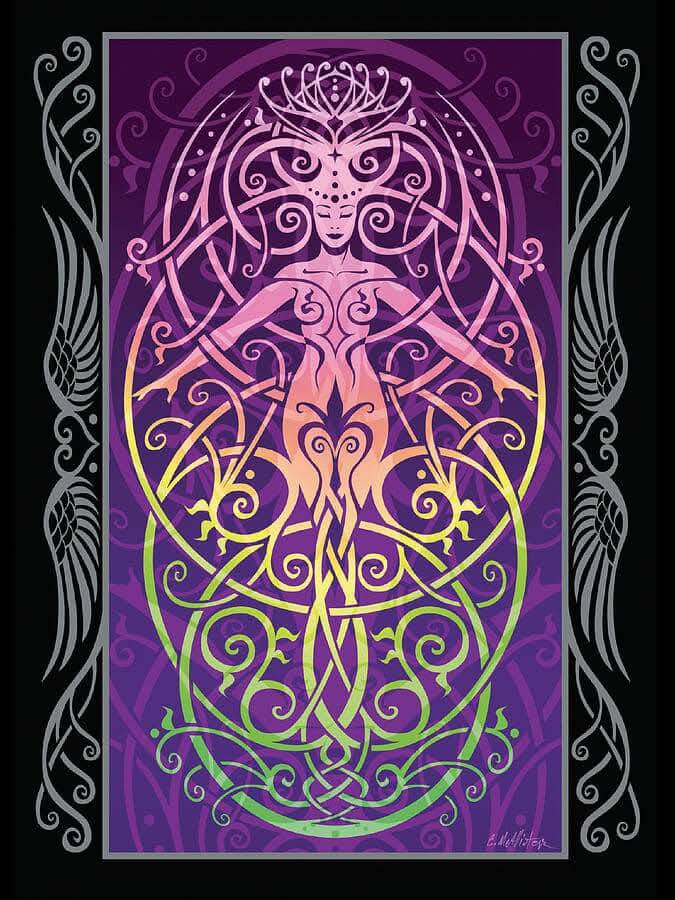
Beyond the four tangible elements lies the fifth, often unseen, element of spirit (or aether).This is the unifying force, the essence of all creation, and the divine spark within each of us. Spirit integrates and transcends the other elements, connecting us to the universal consciousness. Understanding spirit allows for true mastery and harmony.
Western metaphysical thought often categorizes reality and spiritual forces into four classical elements: Earth, Air, Fire, and Water, with some traditions adding a fifth, Spirit (Aether). In the context of raising pagan children, these elements serve as both didactic tools and spiritual frameworks that guide children's connection to the natural and metaphysical world.
1. Earth
Symbolizes stability, grounding, physicality, growth, and cycles of life.
Practical Parenting Applications:
Gardening and Nature Walks: Teaching children about planting, harvesting, seasonal changes, and ecosystems nurtures responsibility and environmental awareness (Web results
Use in Ritual and Play: Children can create miniature altars with stones, soil, and plants, fostering tactile engagement and connection to the material world.
Developmental Benefits: Promotes patience, focus, and respect for natural cycles.
2. Air
Symbolizes intellect, communication, thought, imagination, and breath.
Practical Parenting Applications:
Storytelling and Mythology: Introducing children to myths, legends, and stories from Norse, Celtic, or Greco-Roman traditions promotes creativity and moral reasoning
Breathwork and Meditation: Simple mindfulness and gratitude exercises connect children with internal awareness and cognitive control.
Developmental Benefits: Enhances imagination, cognitive flexibility, and communicative skills.
3. Fire
Symbolizes energy, transformation, courage, willpower, and passion
Practical Parenting Applications:
Seasonal Festivals (e.g., Beltane bonfires, candle rituals at Yule): Participation in these rituals teaches children about transformation and vitality within cycles
Artistic Expression: Dance, ritualized movement, or imaginative play channels physical energy constructively.
Developmental Benefits: Encourages confidence, emotional expression, and resilience.
4. Water
Symbolizes emotion, intuition, empathy, healing, and purification.
Practical Parenting Applications:
Crafts Involving Water: Simple activities like mixing herbal teas or performing mini-cleansing rituals introduce children to symbolism while encouraging fine motor skills.
Story-Based Practices: Exploring myths and folklore involving rivers, oceans, or magical waters cultivates empathy and relational understanding.
Developmental Benefits: Supports emotional regulation, compassion, and spiritual receptivity.
5. Spirit (Ether/Aether)
Symbolizes unity, consciousness, divine connection, and the integration of the four elements.
Practical Parenting Applications:
Rituals for Mind-Body-Spirit Integration: Activities that embody mindfulness, gratitude, and reflection help children perceive interconnectedness
Personalized Spiritual Exploration: Encouraging children to ask questions and explore their own sense of sacredness empowers autonomy in spiritual development.
Developmental Benefits: Fosters holistic awareness, ethical sensitivity, and imaginative transcendence.
Integrative Strategies
Mapping Elements to Daily Life: Incorporate symbolic and experiential learning, e.g., planting seeds (Earth), storytelling sessions (Air), fire rituals (Fire), water-play or cleansing rituals (Water), meditation or reflection (Spirit).
Seasonal Awareness: Use Wheel of the Year festivals to illustrate elemental qualities through tangible experiences—autumn equinox (Earth), spring Ostara (Air), summer Beltane (Fire), winter Yule (Water).
Creative Expression: Arts, crafts, and rituals personalize metaphysical concepts, creating engaged, multisensory learning.
Ethical and Community Development: Emphasize inclusivity, empathy, and respect for communities as extensions of elemental lessons, particularly Spirit and Air
Integrating Western metaphysical elements into pagan parenting offers children a rich, multisensory framework for exploring spirituality. Earth, Air, Fire, Water, and Spirit become teaching tools that nurture emotional intelligence, moral reasoning, creativity, environmental stewardship, and spiritual autonomy. By embedding these principles into everyday activities, seasonal celebrations, storytelling, and rituals, parents foster not just understanding of elemental symbolism, but lifelong skills for mindfulness, empathy, and self-expression.