The Heart Chakra - Anahata
Discover the core of compassion, connection, and emotional healing within you. The Anahata chakra is your gateway to unconditional love and profound inner peace.

Understanding Anahata: The chakra of love
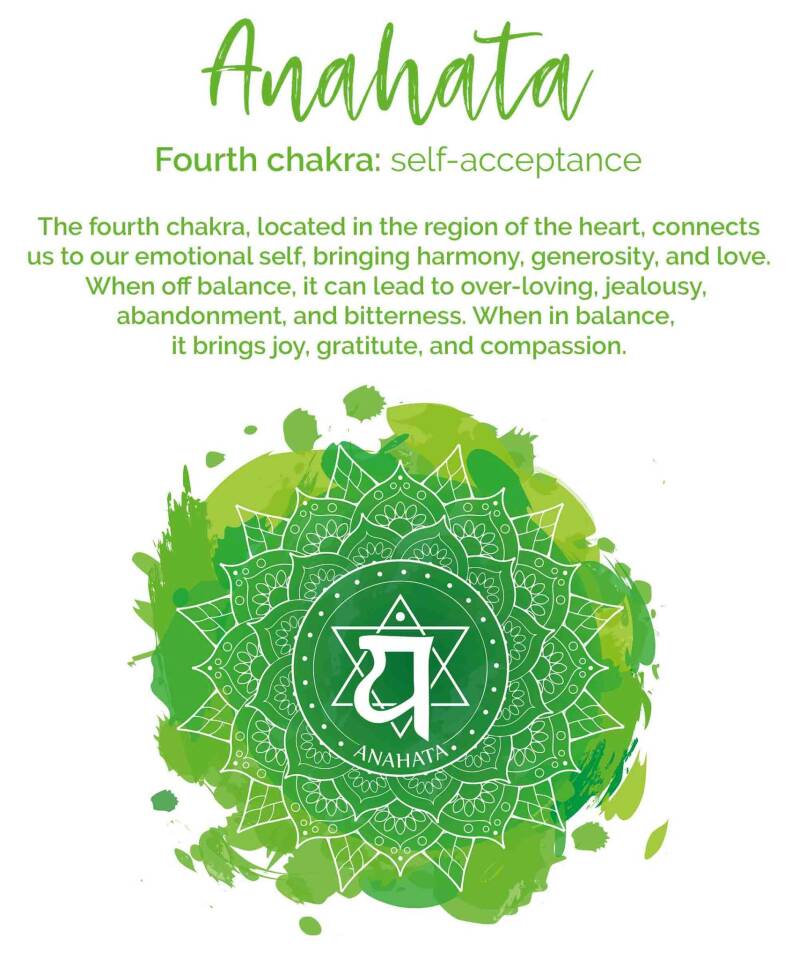
The Heart Chakra, or Anahata, is the fourth primary chakra, located at the center of the chest. It serves as the bridge between the lower physical chakras and the upper spiritual chakras, balancing material and spiritual aspirations. Anahata, which means "unhurt, unstruck, and unbeaten," embodies the profound capacity for love, compassion, and emotional connection. When balanced, this chakra allows us to give and receive love freely, foster deep empathy, and cultivate harmonious relationships. It is the seat of our emotional truth and our ability to connect with ourselves and others on a heartfelt level.
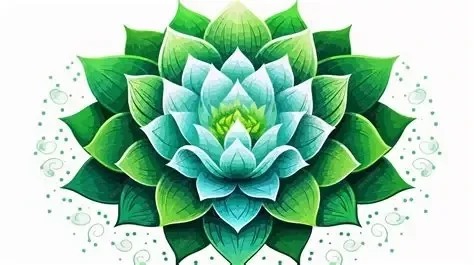
Characteristics and associations of the heart chakra
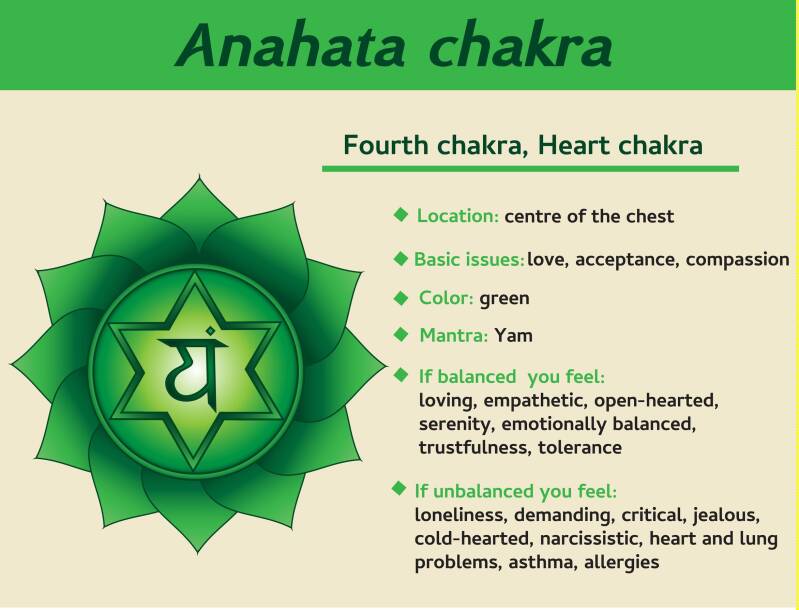
The Anahata chakra is visually represented by a green color, symbolizing growth, renewal, and healing. Its element is air, reflecting its connection to breath, expansiveness, and the free flow of emotions. Key themes associated with the heart chakra include unconditional love, empathy, forgiveness, joy, and peace. On a physical level, it governs the heart, lungs, circulatory system, and thymus gland, influencing our immune system and overall well-being. Emotionally, a balanced heart chakra manifests as genuine warmth, generosity, and a strong sense of self-love and acceptance.

Balancing and activating your Anahata chakra
To balance and activate your Heart Chakra, engage in practices that cultivate love, compassion, and emotional openness. Meditation focused on forgiveness and gratitude, spending time in nature, and practicing acts of kindness can be profoundly beneficial. Incorporating green foods into your diet, wearing green clothing, and working with heart-centered crystals like rose quartz, aventurine, and emerald can also support its energy. Connecting with loved ones, engaging in self-love rituals, and expressing your emotions authentically are powerful ways to nurture your Anahata. By consciously working with this chakra, you can foster deeper connections, heal emotional wounds, and experience greater joy and peace.
We invite you to explore the profound depth of your Heart Chakra and discover the transformative power of unconditional love. By understanding and nurturing your Anahata, you can open yourself to deeper connections, radiate compassion, and cultivate a life filled with emotional balance and profound joy. May your heart be a wellspring of infinite love.
Embrace the journey of the heart
The heart chakra, or Anahata, is the fourth chakra located at the center of the chest, governing love, compassion, emotional balance, and connection with oneself and others.
Meaning and Significance
The heart chakra, known as Anahata in Sanskrit, means “unstruck,” symbolizing pure, unconditional love that is unaffected by past traumas or suffering . It serves as a bridge between the lower physical chakras and the upper spiritual chakras, linking material and spiritual aspects of life. This chakra embodies love, compassion, empathy, forgiveness, and emotional healing, allowing individuals to connect deeply with themselves, others, and the universe.
Location and Symbolism
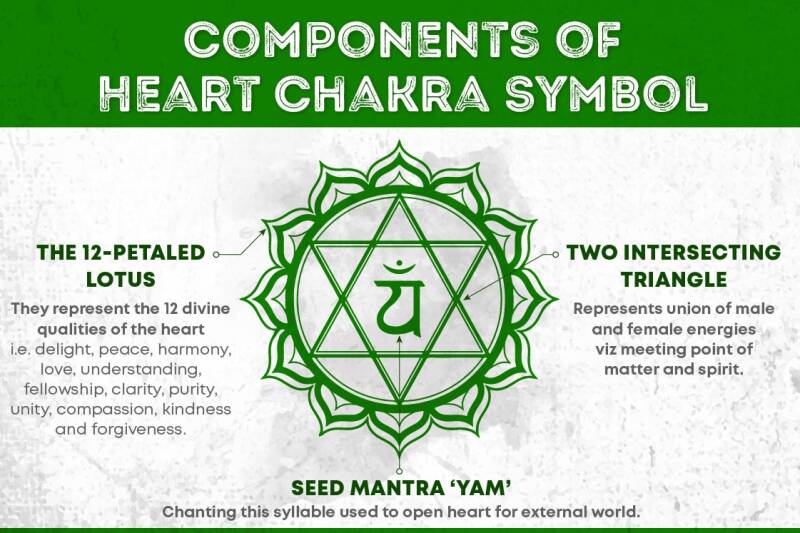
Anahata is located in the center of the chest, slightly left of the sternum, aligning with the heart, lungs, and thymus gland . Its symbol is a six-pointed star (hexagram) within a twelve-petaled flower, representing the union of spirit and matter, masculine and feminine energies, and the integration of emotional and spiritual growth. The chakra is associated with the color green, symbolizing healing, balance, compassion, and growth.
Functions
The heart chakra governs several vital aspects of emotional and physical well-being:
- Love and Compassion: Enables unconditional love, empathy, and kindness toward oneself and others.
- Emotional Balance: Supports managing emotions gracefully, healing grief, and transcending jealousy or anger.
- Connection and Unity: Fosters a sense of unity with others and the universe, dissolving feelings of separation.
- Forgiveness and Acceptance: Encourages self-forgiveness and acceptance of past experiences.
Signs of Balance and Imbalance
A balanced heart chakra manifests as warmth, generosity, emotional stability, empathy, and the ability to form healthy relationships. An imbalanced or blocked heart chakra may result in emotional issues such as resentment, jealousy, fear of intimacy, isolation, or difficulty in connecting with others
Practices to Activate and Heal
Several practices can help open and balance the heart chakra:
- Yoga and Pranayama: Heart-opening poses and deep breathing exercises enhance energy flow .
- Meditation: Focusing on the heart center, visualizing green light, or practicing loving-kindness meditation promotes emotional healing
- Sound and Mantras: Chanting or listening to the sound OM or specific Sanskrit syllables associated with the heart chakra can awaken its energy .
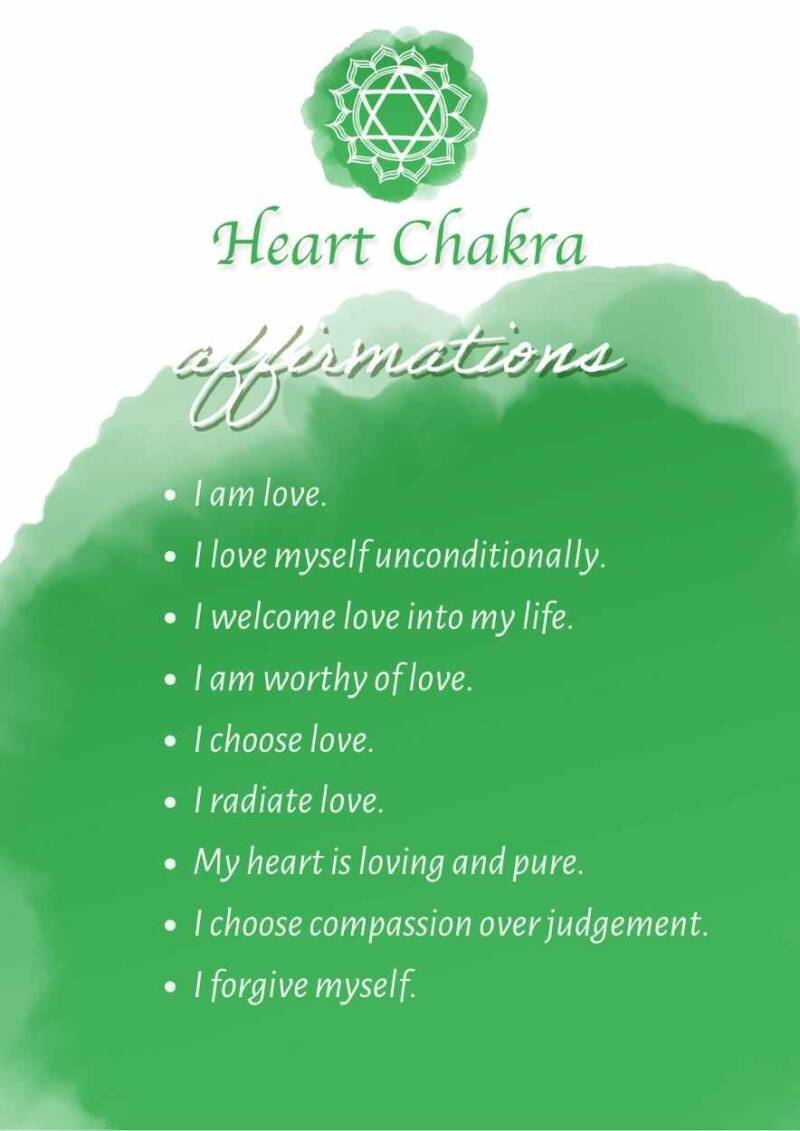
- Affirmations: Positive statements like “I am open to love” or “I forgive myself and others” support emotional balance
Summary
The heart chakra is central to emotional, spiritual, and physical well-being. By nurturing Anahata through meditation, yoga, and mindful practices, one can cultivate unconditional love, compassion, forgiveness, and deeper connections, fostering harmony within oneself and with the world around.
More buttons at bottom of page